
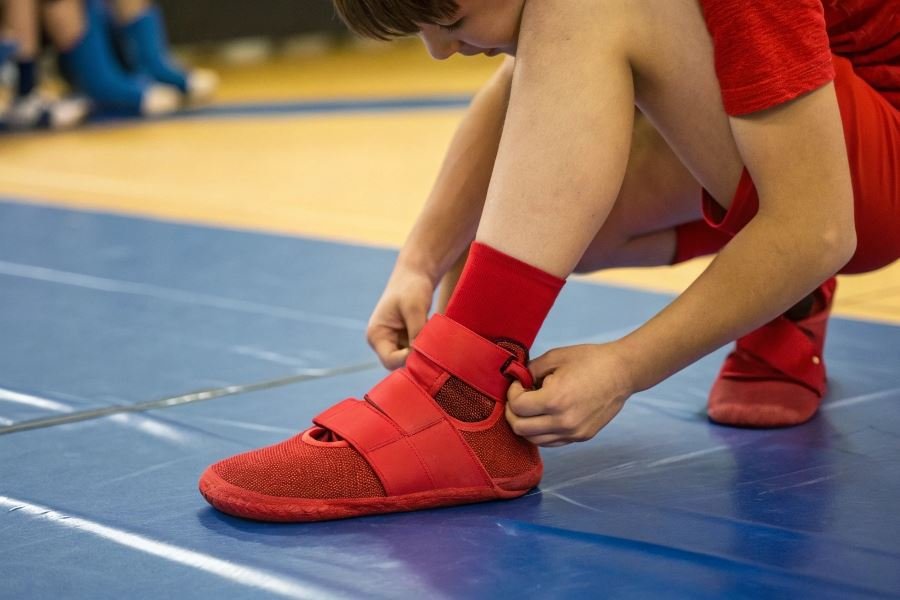
Ever watched a young sambo athlete slip during a crucial takedown? That moment isn’t just disappointing—it’s potentially dangerous. The right footwear stands between your child and both victory and safety on the mat.
When your young athlete begins their sambo journey, proper shoes aren’t just equipment—they’re essential tools that directly impact performance, confidence, and injury prevention. Unlike regular sneakers or wrestling shoes, authentic sambo footwear is specifically engineered for the unique movements and techniques of this combat sport.
What makes sambo shoes special? While they might look similar to wrestling shoes at first glance, sambo footwear features distinctive elements designed for the sport’s Russian martial arts heritage. The thin, flexible sole provides the perfect balance of grip and pivot ability—crucial when your child needs to execute swift foot sweeps or maintain stability during throws. The ankle support is strategically reinforced to prevent injuries during the dynamic movements sambo demands.
The difference between proper sambo shoes and regular athletic footwear is like comparing specialized racing tires to all-season treads—both are rubber meeting the road, but one is precisely engineered for specific performance demands.
Sambo shoes also typically feature a split-sole design that allows for natural foot flexion while maintaining traction on the mat surface. This seemingly small detail can make a tremendous difference in your child’s ability to execute techniques properly and safely as they learn the fundamentals of this increasingly popular combat sport.
Finding the Perfect First Sambo Shoes for Your Young Athlete
When your child takes their first steps onto the sambo mat, their footwear becomes their foundation. The right sambo shoes can make all the difference between a confident young athlete and one who struggles with basic movements. As parents navigate what to pay attention to when buying the first sambo shoes for a child, three critical factors stand out: proper sizing, material quality, and sole design. Let’s dive into what makes these elements so crucial for your young sambo practitioner.
Growing Feet Need Room to Breathe
Finding the sweet spot in sizing might be the most challenging aspect of purchasing your child’s first sambo shoes. Too tight, and they’ll restrict movement and potentially cause injury; too loose, and they’ll compromise stability and technique.
Measure at the end of the day when feet are naturally at their largest. Remember that children’s feet can grow up to half a size every 2-3 months during growth spurts. A good rule of thumb: allow about 0.5 inches (1.3 cm) of space between the longest toe and the shoe end.
Many experienced coaches recommend:
- Checking width as well as length
- Ensuring the heel sits snugly without slipping
- Testing flexibility by having your child perform basic sambo movements in-store
The investment in properly fitted sambo footwear pays dividends in your child’s comfort, confidence, and technical development.
Material Matters: Durability Meets Comfort
Sambo training puts extraordinary demands on footwear. The constant pivoting, gripping, and explosive movements mean subpar materials simply won’t last.
Traditional sambo shoes (known as “борцовки” or “bortsy”) typically feature:
| Material Component | Ideal Characteristics | Why It Matters |
|---|---|---|
| Upper construction | Split leather or synthetic leather | Balances durability with flexibility |
| Interior lining | Moisture-wicking fabric | Prevents slipping and blisters during intense training |
| Ankle support | Reinforced but flexible | Protects growing ankles without restricting movement |
Breathability is non-negotiable for young athletes whose feet tend to sweat more during activity. Look for perforated sections or mesh panels that allow airflow while maintaining structural integrity.
The best Adidas Combat Speed and ASICS Matflex models offer excellent durability-to-weight ratios specifically designed for combat sports, though specialized sambo brands like Krepysh provide authentic options.
Sole Design: Where Safety Meets Performance
The sole of a sambo shoe represents perhaps the most technical aspect of the footwear. It’s where your child connects with the mat, and its design directly impacts both safety and performance.
A proper sambo shoe sole should feature:
- Split-sole construction that allows natural foot flexion
- Thin profile to maximize mat feel and proprioception
- Textured grip patterns that provide traction without “sticking” to the mat
Young athletes benefit tremendously from soles that strike the perfect balance between grip and pivot capability. Too much grip can lock the foot in place during rotational movements, potentially causing knee injuries. Too little grip creates instability during explosive techniques.
The ideal sole thickness ranges between 2-5mm, providing just enough cushioning to protect growing feet while maintaining essential mat feedback. This tactile connection helps develop proper foot positioning and weight distribution—fundamental skills that will serve your young sambo practitioner throughout their athletic journey.
Remember that sole materials degrade over time, so inspect them regularly for wear patterns that might indicate technique issues or replacement needs.
Securing the Perfect First Sambo Shoes
Choosing your child’s first sambo shoes isn’t just a purchase—it’s an investment in their martial arts journey. After exploring all the critical factors, from sizing to sole grip, let’s bring everything together to ensure your young athlete steps onto the mat with confidence and proper support.
The Parent’s Checklist for Success
When making that final decision, remember these non-negotiable factors:
Proper sizing is paramount. Sambo shoes should fit snugly without restricting movement or circulation. That sweet spot—about half an inch of toe room—allows for growth while maintaining performance. Many parents make the mistake of buying oversized shoes “to grow into,” but this compromises stability and technique development.
Material quality determines durability. Genuine leather options from established brands like Adidas Combat Sports or SAMBO-SPORT might come with a higher price tag ($60-90), but they’ll withstand the rigors of training far longer than synthetic alternatives.
Sole grip technology matters. The distinctive split-sole design with suede bottoms provides the perfect balance of traction and pivoting ability. Test this by running your hand across the sole—it should offer resistance without feeling sticky.
Remember that competition-approved shoes often feature specific color requirements, typically red or blue, so check with your child’s coach about any regulations before purchasing.
Extending Shoe Lifespan Through Proper Care
Sambo shoes aren’t just equipment—they’re training partners. Extend their life with these maintenance practices:
-
Air dry after every session. Never use direct heat sources like radiators or dryers, as this damages leather and weakens adhesives.
-
Rotate between pairs if possible. This allows complete drying and reduces wear patterns.
-
Clean regularly with appropriate products:
| Surface | Cleaning Method | Frequency |
|---|---|---|
| Leather uppers | Damp cloth with mild soap | Weekly |
| Suede soles | Soft brush to remove debris | After each use |
| Interior | Antibacterial spray | Bi-weekly |
Storage matters significantly. Keep shoes in a well-ventilated bag rather than sealed containers where moisture can accumulate and create odor or mildew issues.
Recognizing When Replacement Time Has Arrived
Even the best sambo shoes eventually reach retirement age. Watch for these telltale signs:
Visible sole wear is the most obvious indicator. When the suede bottom shows significant balding or develops smooth patches, grip is compromised—creating safety concerns during throws and movements.
Structural integrity issues like separating soles, torn stitching, or cracked leather mean it’s time for new footwear, regardless of appearance.
Growth-related fit problems are inevitable with young athletes. If your child complains of toe cramping or you notice redness after practice, it’s time to size up.
Most quality sambo shoes last 8-12 months with regular training (2-3 sessions weekly). Competition-level training may reduce this timeframe considerably.
By making informed decisions, maintaining equipment properly, and recognizing when replacement is necessary, you’re not just buying shoes—you’re supporting your child’s martial arts development from the ground up.