
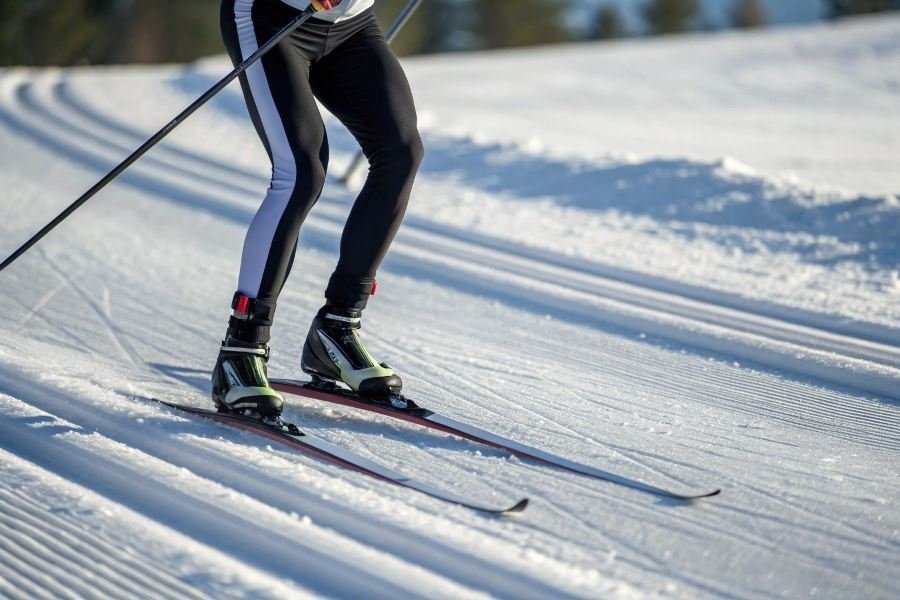
Ever watched elite biathletes glide effortlessly across snow, seemingly defying friction itself? That magical combination of speed and control doesn’t happen by accident—it starts with the right equipment.
Skating skis represent a radical departure from their classic cross-country cousins. While traditional cross-country skis rely on a grip zone underfoot for the diagonal stride technique, skating skis are designed for the V-stride skating motion that revolutionized the sport in the 1980s. The difference is immediately apparent: skating skis are typically shorter (by 5-10cm), stiffer, and feature a universal glide surface without kick zones.
“The right skating skis don’t just improve performance—they transform your entire experience on snow.”
The performance equation
Selecting appropriate skating skis isn’t merely about preference—it’s about physics. The wrong skis can drain your energy reserves within minutes, turning what should be an exhilarating glide into an exhausting slog. Key considerations include:
- Skier weight and height: Determines optimal ski length and stiffness
- Snow conditions: Soft snow requires different characteristics than hard-packed surfaces
- Skill level: Beginners benefit from more forgiving designs
- Intended use: Racing demands different features than recreational touring
The technical trinity
When evaluating skating skis, focus on three critical elements:
- Camber profile: The arc that determines how pressure distributes across the ski
- Flex pattern: How the ski bends under your weight
- Sidecut design: The width differential between tip, waist and tail
Understanding these fundamentals will set you on the path to finding skating skis that complement your physique, technique, and ambitions on snow.
The Technical DNA of Skating Skis
When you glide across pristine snow with each powerful push, the difference between good and exceptional performance comes down to the technical specifications of your skating skis. The marriage of engineering precision and athletic demands creates a fascinating intersection where millimeters and materials matter tremendously.
Selecting the right skating skis requires understanding key technical elements that directly impact your performance. Skis for skating: features of selection go far beyond aesthetics or brand preference—they’re about finding equipment that becomes an extension of your body’s biomechanics on snow. Let’s dive into the critical specifications that separate recreational gear from performance equipment.
Finding Your Perfect Length
The ideal skating ski length typically falls between 5-10cm taller than your height, but this isn’t a one-size-fits-all formula. Heavier skiers benefit from slightly longer skis (7-10cm above height) for enhanced stability and glide, while lighter athletes might prefer skis closer to 5-7cm above their height for better maneuverability.
| Skier Weight | Recommended Length Above Height |
|---|---|
| Under 140 lbs | 5-7cm |
| 140-180 lbs | 7-8cm |
| Over 180 lbs | 8-10cm |
Width profiles for skating skis remain considerably narrower than their classic counterparts, typically measuring 41-45mm at the tip, 43-45mm at the tail, and a slim 41-44mm underfoot. This narrow profile reduces weight and snow resistance while enhancing the ski’s ability to edge effectively during the skating motion.
Core Construction: The Heart of Performance
The core material fundamentally determines how your skis perform. Modern high-performance skating skis from manufacturers like Fischer and Salomon utilize sophisticated combinations of:
- Wood cores: Providing natural flex patterns and vibration dampening
- Carbon fiber layers: Delivering torsional rigidity without weight penalties
- Honeycomb structures: Reducing weight while maintaining structural integrity
Premium racing skis often incorporate air channels or carbon nanotubes to further reduce weight while maintaining stiffness. The construction technology directly impacts energy transfer from your leg push to forward momentum—a critical factor in racing scenarios where milliseconds matter.
Flex Patterns: Matching Skis to Your Body
Perhaps the most crucial yet least understood aspect of skating ski selection is the flex pattern. This refers to how the ski bends under pressure and how pressure is distributed across the snow.
Stiffness ratings typically range from soft (70-85) for lightweight skiers to extra-stiff (95+) for heavier, powerful athletes. Your weight distribution directly affects how the camber (the arch under the ski) interacts with the snow.
The ideal flex creates what engineers call the “pocket”—that sweet spot where:
- The ski maintains enough contact with snow for stability
- The middle section rises appropriately to reduce friction
- The pressure points at tip and tail provide optimal grip during push-off
Advanced skiers should consider getting a professional flex analysis at a specialty shop where pressure distribution can be measured with precision equipment.
For competitive skaters, the relationship between body weight, skiing style, and flex pattern becomes even more critical. A ski that’s too stiff won’t compress properly, resulting in reduced glide efficiency, while an overly soft ski will drag and waste energy.
When you match your technical specifications perfectly to your body and technique, skating becomes less about fighting equipment and more about expressing athletic potential through perfectly engineered tools.
Sealing the Deal on Your Skating Skis
Finding the perfect skating skis isn’t just about grabbing whatever’s on sale—it’s about matching technical specifications to your personal needs. Let’s cut through the confusion and help you make that final, confident decision.
Aligning with your skating ambitions
Your skill level and performance goals should drive your ski selection more than anything else.
Beginner skaters benefit from skis with enhanced stability—look for models with a softer flex pattern and slightly wider dimensions. The Fischer SCS Skate or Rossignol Delta Comp series provide that forgiving platform beginners need without sacrificing the ability to progress.
Intermediate skiers should seek a balance between stability and performance. As your technique improves, you’ll appreciate skis with moderate stiffness that respond to your improving power transfer. The sweet spot often lies in mid-range models like the Salomon RS 7 or Atomic Pro S2.
Advanced and competitive skiers require precision instruments. These high-performance skis feature:
- Stiffer flex patterns
- Premium core materials (often carbon-infused)
- Optimized camber profiles for maximum glide and energy return
The difference between good and great skating skis becomes most apparent when you’re pushing your physical limits on challenging terrain.
Value proposition beyond price tags
Skating skis range dramatically in price, typically from $300 to $900+, but cost doesn’t always correlate directly with what you need.
| Price Range | Typical Features | Best For |
|---|---|---|
| $300-450 | Durable construction, basic performance | Recreational skiers, beginners |
| $450-650 | Enhanced materials, better flex patterns | Intermediate skiers, fitness enthusiasts |
| $650+ | Premium materials, race-specific designs | Competitive skiers, performance-focused athletes |
Consider longevity in your value calculation. Higher-end skis often incorporate more durable base materials and construction techniques that extend their performance lifespan. A $700 pair that lasts five seasons may offer better value than a $400 pair needing replacement after two.
Budget-conscious shoppers should target previous season models or demo sales, where discounts of 30-40% are common without sacrificing quality.
Test drive before commitment
Never purchase skating skis without testing them if possible. Most specialty retailers offer demo programs where you can:
- Try before you buy – Experience how different models respond to your specific technique
- Compare multiple options – Test various flex patterns and lengths in the same conditions
- Receive expert feedback – Shop technicians can observe your skiing and make recommendations
Maintenance matters enormously in extending ski life and performance. Budget for:
- Regular stone grinding (typically every 100-150km of use)
- Quality waxing supplies ($100-150 initial investment)
- Proper storage solutions to prevent base oxidation and warping
The perfect skating skis feel like natural extensions of your body—responsive without being punishing, lightweight without feeling flimsy. By matching your selection to your ability level, considering true value beyond sticker price, and investing time in testing, you’ll find that perfect match that elevates every kilometer on snow.