
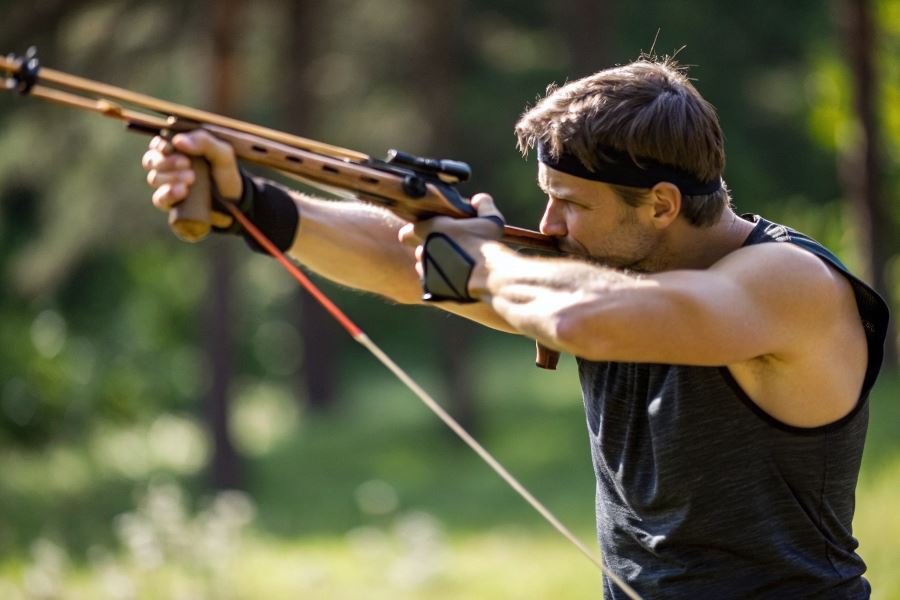
Ever picked up a Y-shaped frame with rubber bands and felt that primal connection to thousands of years of human ingenuity? Slingshots aren’t just childhood toys—they’re sophisticated tools with a rich heritage that continues to evolve in precision and purpose.
The humble slingshot traces its origins back to ancient hunting implements. What began as forked sticks with animal sinew has transformed dramatically. By the 1800s, vulcanized rubber revolutionized slingshot design, creating the foundation for the high-performance tools we see today. Modern slingshots feature aircraft-grade aluminum frames, precision-engineered bands, and ergonomic grips that David (of Goliath fame) could only dream about.
Today’s enthusiasts use slingshots for everything from competitive target shooting to ethical small game hunting. The ping of steel ammo hitting a target at 33 feet offers a satisfaction that’s hard to match in other shooting sports. With minimal equipment requirements and virtually any outdoor space as your range, slingshots provide accessible recreation without the noise, expense, or regulations of firearms.
Choosing your first slingshot matters more than you might think. The wrong frame can lead to poor accuracy, hand slap (painful band recoil), and frustration that might derail your journey before it begins. The right slingshot, however, becomes an extension of your hand—comfortable, intuitive, and remarkably accurate with practice.
The Anatomy of a Perfect Beginner Slingshot
When you hold a well-crafted slingshot in your hand, you’re connecting with one of humanity’s oldest projectile tools—reimagined with modern materials and engineering. The difference between a frustrating experience and hitting your target consistently often comes down to selecting the right equipment. For those just starting their slingshot journey, what to pay attention to when buying can make all the difference between quick progression and early disappointment.
Frame Materials That Define Performance
The foundation of any slingshot is its frame, and the material choice dramatically impacts everything from durability to shooting feel:
Wood Frames: The classic choice offering natural warmth and character. Typically made from hardwoods like oak, maple, or walnut.
- Pros: Beautiful grain patterns, comfortable temperature in cold weather, traditional feel
- Cons: Can warp with moisture, less consistent than modern materials
Metal Frames: Usually aluminum or stainless steel, offering unmatched durability.
- Pros: Virtually indestructible, consistent performance, weather-resistant
- Cons: Cold to hold in winter, heavier than alternatives, can transmit more shock
Polymer Frames: Modern thermoplastics that combine lightweight properties with impressive strength.
- Pros: Lightweight, weather-resistant, often feature ergonomic molding
- Cons: Less traditional feel, can feel “cheap” compared to natural materials
| Frame Material | Durability | Weight | Weather Resistance | Price Range |
|---|---|---|---|---|
| Wood | Moderate | Medium | Poor | $15-50 |
| Metal | Excellent | Heavy | Excellent | $25-80 |
| Polymer | Good | Light | Excellent | $10-40 |
Bands and Pouches: The Power System
The propulsion system of your slingshot deserves careful consideration—it’s where the magic happens:
Band Materials:
-
Latex Bands: The gold standard for performance slingshots
-
Pros: Superior elasticity, faster projectile speeds, smoother draw
-
Cons: Degrades with UV exposure, shorter lifespan, temperature sensitive
-
Rubber Bands: More durable but less performance-oriented
-
Pros: Longer lifespan, more resistant to environmental factors
-
Cons: Less power, stiffer draw weight, reduced accuracy potential
Band Thickness: Beginners should start with lighter draw weights (typically 0.5-0.7mm thickness) before progressing to heavier bands that deliver more power but require more strength.
Pouch Considerations:
-
Leather Pouches: Traditional and effective
-
Pros: Softens with use, excellent projectile release, durable
-
Cons: Affected by moisture, requires occasional maintenance
-
Microfiber Pouches: Modern alternative
-
Pros: Consistent in all weather conditions, no break-in period
-
Cons: Less traditional feel, can wear faster with heavy use
Ergonomics: The Interface Between You and Your Shot
The way a slingshot fits your hand might be the most underrated aspect for beginners:
Grip Design:
-
Pinch Grip: Minimalist design where the frame is held between thumb and forefinger
-
Best for: Experienced shooters, those seeking pocket-friendly options
-
Challenges: Less stable for beginners, requires more practice
-
Pistol Grip: Shaped like a gun handle for maximum stability
-
Best for: Beginners, longer shooting sessions, larger hands
-
Challenges: Bulkier, less concealable
Hand Size Compatibility: Many beginners overlook this crucial factor. Your slingshot should allow a comfortable grip with no strain. Some models from SimpleShot and Pocket Predator offer adjustable grips or size options.
Wrist Support: Some designs include a brace that extends to the forearm, dramatically reducing strain and improving accuracy—ideal for beginners or those planning extended practice sessions.
Remember that comfort leads to consistency, and consistency is the foundation of accuracy. The perfect beginner slingshot isn’t necessarily the most expensive or feature-laden—it’s the one that feels like a natural extension of your hand.
Seal the Deal: Your First Slingshot Purchase
Ready to pull the trigger on your first slingshot? The journey from curious beginner to confident shooter starts with making a smart purchase. Let’s break down exactly what you need to know before investing in your first wrist rocket.
Smart spending for serious slinging
The slingshot market spans from $15 budget options to $150+ competition-grade powerhouses. For beginners, the sweet spot typically falls between 25−50—enough to secure quality without overcommitting financially.
What separates a $20 slingshot from a $100 one? Primarily materials and craftsmanship. Budget models often use injection-molded plastic frames with basic rubber bands, while premium options feature:
- Aircraft-grade aluminum or G10 fiberglass frames
- Precision-cut ergonomic grips
- Premium latex or medical-grade silicone bands
- Microfiber pouches for consistent ammunition release
Remember: investing slightly more upfront often saves money long-term. A quality $40 slingshot might outlast three $15 models while delivering superior accuracy and comfort.
Top beginner-friendly slingshots worth your dollars
After testing dozens of models with novice shooters, these three consistently deliver the best experience for newcomers:
| Model | Price | Why It’s Great for Beginners |
|---|---|---|
| SimpleShot Scout XT | $39.99 | Virtually indestructible polycarbonate frame, ambidextrous grip, multiple band attachment options |
| Pocket Predator Ranger | $29.95 | Ergonomic design reduces hand fatigue, forgiving aiming system, excellent tutorials included |
| Hammer Slingshots XT | $44.99 | Adjustable palm swell, premium bands included, exceptional customer support for beginners |
The SimpleShot Scout XT deserves special mention for its versatility—it accommodates multiple grip styles and band configurations, effectively “growing” with you as your skills develop.
Safety first, accuracy second
Slingshots may seem simple, but they demand respect. Follow these essential guidelines:
-
Always inspect bands before shooting. Look for tears, cracks, or UV damage that could cause dangerous band failure.
-
Establish a dedicated shooting zone with a proper backstop that can safely catch ammunition.
-
Start with clay ammunition rather than steel balls until your accuracy improves.
-
Never “dry fire” (shoot without ammunition), as this dramatically shortens band life.
Proper maintenance extends both safety and lifespan. Store your slingshot away from direct sunlight, as UV rays degrade rubber bands quickly. Apply a light dusting of talcum powder to bands monthly to prevent deterioration.
For band replacement (typically needed every 500-1000 shots), most manufacturers offer pre-cut sets for $8-15. Learning to cut your own from latex sheeting can reduce this cost by 70% once you’re comfortable with the process.
The journey into slingshot shooting rewards patience and attention to detail. Start with quality equipment that matches your budget, prioritize safety at every step, and you’ll discover a surprisingly addictive sport that combines precision, power, and portability like few others can.