
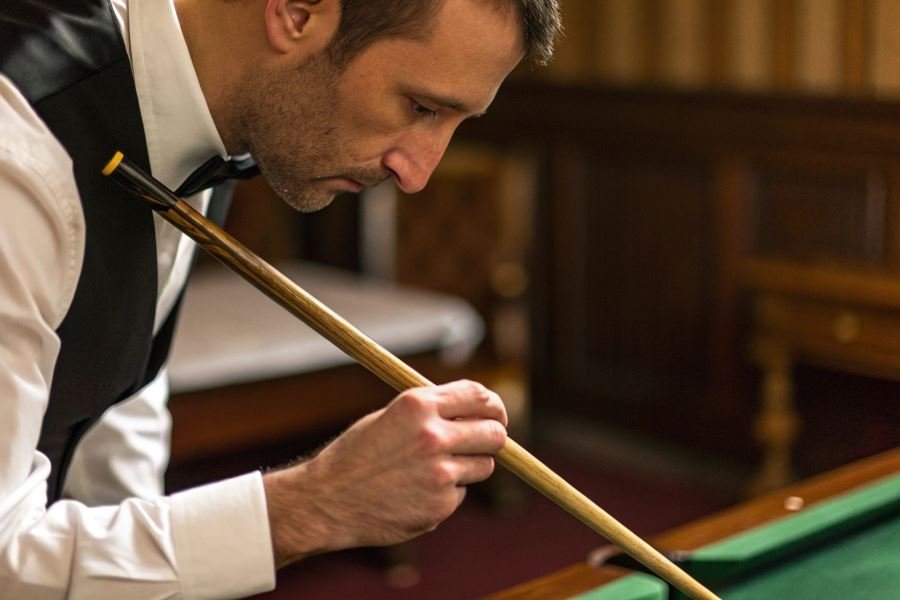
Ever watched a pro effortlessly sink ball after ball and wondered, “Could that be me?” The journey from spectator to skilled player begins with something deceptively simple: your first billiards cue. It’s not just a stick—it’s your primary tool for expression on the felt battlefield.
Selecting your first cue might seem overwhelming, but it’s a crucial step in your billiards journey. The right cue becomes an extension of your arm, translating your intentions into precise shots. Players who start with properly matched equipment progress 30% faster than those struggling with ill-suited tools.
The anatomy of excellence
Before diving into shopping, understand what you’re holding:
- Tip: The leather end that contacts the ball (typically 12-14mm for beginners)
- Ferrule: The white collar beneath the tip that absorbs shock
- Shaft: The tapering upper section, usually maple
- Joint: The connection point between shaft and butt
- Butt: The lower, heavier portion with the wrap and bumper
Setting realistic expectations
Quality doesn’t always mean expensive. While professional players might wield custom cues costing thousands, beginners should aim for the $80-200 range. This sweet spot balances quality construction with affordability.
“Your first cue should be like your first car—reliable, forgiving, and something you won’t mind replacing as your skills evolve.”
Remember, even the perfect cue won’t instantly transform your game. It’s about finding a comfortable weight (19-20oz is standard for beginners), straight construction, and balanced feel that will grow with you through those critical first months of learning.
The Perfect Cue: Essential Factors for Beginners
Finding the right billiards cue can transform your game from the very first stroke. While professionals might obsess over minute details, beginners need to focus on three fundamental factors that will dramatically impact their development and enjoyment of the game.
When exploring how to choose a cue for billiards for a beginner, you’ll discover that certain specifications matter more than others. The weight, length, and construction quality of your first cue will either support your learning curve or create unnecessary obstacles. Let’s break down these crucial elements to ensure your first cue becomes a trusted ally rather than a frustrating adversary.
Finding your ideal weight
The weight of your cue directly influences power transfer, control, and the feel of each shot. Most billiards cues range between 18-21 ounces, with each half-ounce increment offering a distinctly different playing experience.
Lighter cues (18-19 oz) provide:
- Greater finesse for delicate shots
- Less fatigue during extended play
- Better control for players with less arm strength
Heavier cues (20-21 oz) deliver:
- More momentum on power shots
- Steadier stroke for beginners
- Less deflection on off-center hits
Most instructors recommend beginners start with a 19-20 oz cue, which balances control and power. The sweet spot for most new players falls at 19.5 oz, offering versatility while you develop your personal style.
Length and diameter considerations
Your physical dimensions should dictate your cue’s measurements. Standard cues measure 57-58 inches, but your height and arm length might necessitate adjustments.
| Player Height | Recommended Cue Length |
|---|---|
| Under 5’5″ | 57 inches |
| 5’5″ – 6’1″ | 58 inches |
| Over 6’1″ | 58-59 inches |
The shaft diameter also matters significantly. Most beginners benefit from a standard 13mm tip diameter, which offers a balance between precision and forgiveness. As your skills advance, you might prefer a slimmer 12-12.5mm diameter for increased accuracy on finesse shots.
Materials and construction quality
The difference between a $30 and $150 beginner cue isn’t just marketing—it’s craftsmanship that affects performance and durability.
Entry-level cues typically feature:
- Maple wood construction
- Basic joint connections
- Wrapped or textured grip areas
- Standard tips
Look for these quality indicators even in budget options:
- Straight grain throughout the shaft
- Minimal wood warping when rolled on flat surface
- Solid joint connection without wobble
- Properly installed tip with good shape
Shaft material matters immensely. North American hard maple remains the gold standard for beginners, offering excellent resilience and consistent performance. Fiberglass and graphite composites provide durability but sacrifice the feel that helps develop proper technique.
The ferrule—that white collar below the tip—should be well-fitted and made from quality materials like linen-pressed resin or high-impact plastic. This component absorbs shock and protects the shaft from damage during powerful shots.
Remember that your first cue doesn’t need exotic woods or premium inlays, but investing in solid construction fundamentals will support your development and potentially save money on replacements. A well-maintained, quality beginner cue can serve you faithfully for years as your skills evolve from basic shots to more advanced techniques.
Your First Cue: The Gateway to Billiards Mastery
Finding the perfect first billiards cue is like discovering your magic wand—it needs to feel right in your hands while forgiving your beginner mistakes. Let’s dive into the essentials that will transform your game from awkward first shots to confident play.
Beginner-Friendly Brands That Deliver
The market is flooded with options, but these three brands consistently deliver quality without emptying your wallet:
Players Pure X cues offer remarkable value starting at $89-120. Their HXT low-deflection shafts provide forgiveness that beginners desperately need while offering room to grow. The Pure X series features classic designs with maple shafts and Irish linen wraps—perfect for developing proper technique.
McDermott Lucky delivers exceptional craftsmanship at the $150-200 price point. Their L-series cues feature lifetime warranties against warping and come with high-quality maple shafts. The balance point sits slightly forward, helping beginners maintain a steady stroke.
Viking Valhalla offers perhaps the best performance-to-price ratio at $65-110. Their VA series features fiberglass composite ferrules that withstand the miscues inevitable during learning. The 13mm tips are slightly larger than professional models, providing a more forgiving hitting surface.
The sweet spot for beginners is typically between $80-200—enough quality to enhance your game without investing in features you can’t yet appreciate.
Where Smart Players Shop
Finding quality cues requires knowing where to look:
-
Dedicated billiards retailers like Seybert’s and PoolDawg offer extensive selections with knowledgeable staff who can guide your purchase. Their return policies typically allow exchanges if the cue doesn’t meet expectations.
-
Local billiards shops provide the irreplaceable advantage of handling cues before purchase. The premium you might pay supports personalized service and the opportunity to test multiple options.
-
Online marketplaces can offer deals, but proceed with caution. Amazon carries reputable brands, but verify the seller is authorized to avoid counterfeits.
| Retailer Type | Pros | Cons |
|---|---|---|
| Dedicated Online | Wide selection, competitive pricing | Can’t test before buying |
| Local Shops | Hands-on testing, expert advice | Potentially higher prices |
| Marketplaces | Convenience, possible deals | Risk of counterfeits |
Test Before You Invest
Before committing to a cue, put it through these essential tests:
The roll test reveals truth about shaft straightness. Place the cue on a flat billiards table and roll it gently. A straight cue will roll smoothly without wobbling or veering off course. This simple test exposes warping that might be invisible to the eye.
The feel test matters more than specs on paper. Hold the cue at your bridge hand position (about 12-14 inches from the tip) and feel its balance. A well-balanced cue should feel like an extension of your arm, not front or back-heavy.
The finish inspection can prevent future frustration. Run your hand along the shaft—it should feel smooth without catching. Check where the ferrule meets the shaft for gaps or glue residue, signs of poor craftsmanship.
“The right cue doesn’t make the player, but the wrong cue can certainly limit one.”
Remember that your first cue is a learning tool. It should be straight, well-constructed, and comfortable—but doesn’t need every premium feature. As your skills develop, you’ll discover preferences that will guide future upgrades. For now, focus on fundamentals and enjoy the journey into this precision sport.