
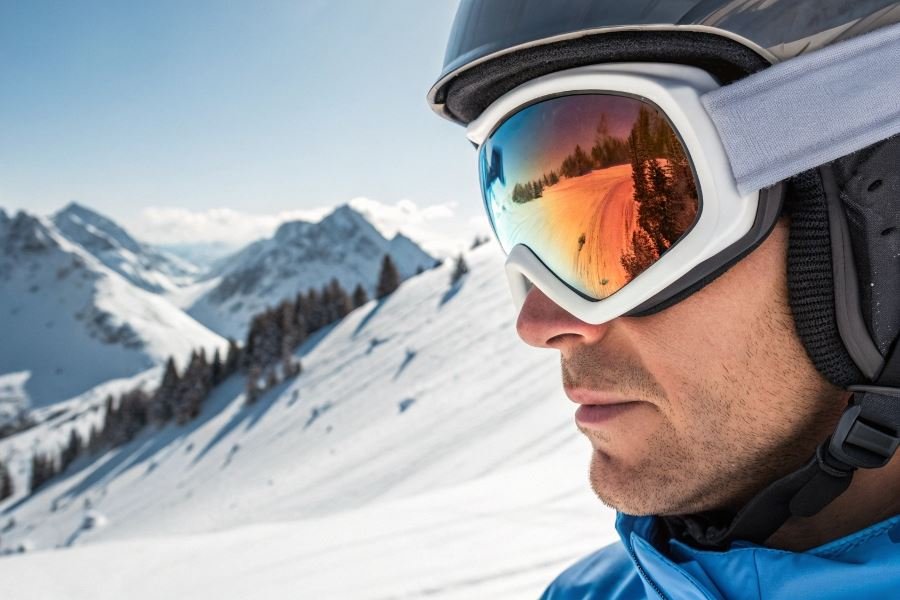
Ever caught yourself squinting through your goggles as clouds suddenly parted, revealing blinding mountain sunlight? Or missed that mogul because flat light made the terrain look smooth? The right lens technology isn’t just about comfort—it’s about safety and performance on the mountain.
When it comes to conquering variable mountain conditions, two lens technologies stand above the rest: photochromic and polarized. These aren’t just fancy terms to justify premium price tags—they represent fundamentally different approaches to solving visibility challenges on the slopes.
Photochromic lenses: The chameleons of the mountain
Photochromic lenses contain special molecules that react to UV light, automatically darkening when exposed to bright conditions and lightening when the sun hides. Think of them as automatic transmissions for your eyes—they adjust without you having to do anything.
These adaptive lenses shine during days with rapidly changing conditions. When you’re carving through a partially cloudy day with sun one minute and shadows the next, photochromic lenses continuously adjust their tint to maintain optimal visibility.
Polarized lenses: The glare slayers
Polarized lenses contain a special filter that blocks horizontal light waves—the ones responsible for that blinding glare off snow and ice. By eliminating this reflected light, polarized lenses deliver enhanced contrast and true color perception.
The result? Sharper definition of terrain features, reduced eye fatigue, and the ability to spot ice patches that might otherwise blend into the landscape. For spring skiing when the sun transforms snow into a reflective mirror, polarized lenses are practically essential equipment.
Matching lens to mountain
Choosing between these technologies isn’t about which is “better”—it’s about matching the right tool to specific conditions. Consider:
- Weather variability (frequent changes favor photochromic)
- Terrain (glare-heavy environments favor polarized)
- Your skiing style (technical terrain navigation benefits from polarized contrast)
The difference between the perfect lens and the wrong one can transform your mountain experience from squinting frustration to crystal-clear confidence.
See Clearly on the Slopes: Photochromic vs. Polarized Lenses
When you’re carving down a mountain at 30 mph, your vision isn’t just about comfort—it’s about safety. The right lens technology in your ski goggles can make the difference between spotting that ice patch ahead or ending your day in the lodge with an ice pack instead.
Let’s dive into the nitty-gritty of lens technologies for alpine environments. When making a comparison of photochromic and polarized lenses in ski goggles, we’re really talking about two fundamentally different approaches to solving visibility challenges on the mountain. Each has distinct advantages that might make one perfect for your specific skiing style and conditions.
Performance Across Light Conditions
Photochromic lenses are the chameleons of the goggle world. They automatically darken when exposed to UV light and lighten when UV decreases. On bluebird days, they’ll darken to protect your eyes, while in the shadows or during snowfall, they’ll lighten up.
Oakley’s Prizm React technology transitions between three tint levels in seconds, offering VLT (Visible Light Transmission) ranges from 15-75% in a single lens.
Polarized lenses maintain a consistent tint regardless of conditions. They excel in bright, sunny conditions by eliminating horizontal light waves that cause glare off snow surfaces.
| Condition | Photochromic Performance | Polarized Performance |
|---|---|---|
| Bright Sun | Darkens automatically (15-30% VLT) | Excellent (fixed 10-25% VLT) |
| Overcast | Adjusts to medium tint (30-50% VLT) | Can be too dark (fixed tint) |
| Flat Light | Lightens significantly (50-75% VLT) | Poor – can worsen flat light issues |
Glare Reduction and Visual Clarity
When it comes to fighting glare, polarized lenses are the heavyweight champions. They cut through reflected light like a hot knife through butter, delivering:
- Superior contrast on sunny days
- Reduced eye fatigue during long days on reflective snow
- Enhanced visibility of ice patches and surface variations
Photochromic lenses offer decent glare protection when darkened but can’t match the specialized glare-fighting capabilities of polarized technology.
Adaptation Speed and Weather Versatility
Adaptation speed matters. Modern photochromic lenses from brands like Smith Optics have dramatically improved transition times—typically 30 seconds to darken and 60-90 seconds to lighten. This makes them ideal for:
- Tree skiing (alternating between shadows and light)
- Changing weather conditions
- All-day sessions without lens swapping
Polarized lenses don’t adapt at all, which means they’re perfect for consistent conditions but less versatile when clouds roll in or you move between sunny slopes and shaded valleys.
Depth Perception and Terrain Recognition
Here’s where things get interesting for serious skiers and riders. Polarized lenses can sometimes:
- Reduce visibility of ice patches (due to eliminating certain light reflections)
- Make LCD screens on phones or GPS devices harder to read
- Create a “dead spot” effect that flattens perception in certain conditions
Photochromic lenses generally maintain more natural depth perception across varying conditions, which is why many professional skiers prefer them for technical terrain and backcountry exploration.
The ultimate choice depends on your typical skiing environment and personal preferences. If you’re primarily a fair-weather skier who sticks to groomed runs on sunny days, polarized might be your best bet. For variable conditions and all-mountain versatility, photochromic technology offers adaptability that’s hard to beat.
Making the Right Choice: Photochromic vs Polarized Ski Goggles
When carving through fresh powder or navigating icy slopes, your vision isn’t just about comfort—it’s about safety. The eternal debate between photochromic and polarized lenses comes down to matching your specific mountain needs with the right technology. Let’s cut through the fog and pinpoint exactly which lens serves you best in various alpine scenarios.
Photochromic lenses shine in variable conditions
Photochromic technology truly excels for the all-day adventurer who refuses to be limited by changing weather. These adaptive lenses are perfect for:
All-mountain versatility warriors who tackle multiple runs across changing terrain and light conditions. The automatic tint adjustment means you can start in overcast morning conditions and continue through bright afternoon sun without swapping goggles.
Tree-line to open bowl transitions become seamless with photochromic lenses. When you’re weaving through shadowy glades one minute and bursting onto sun-drenched slopes the next, these lenses adjust within 30-60 seconds to maintain optimal visibility.
Backcountry explorers benefit tremendously from photochromic technology. When touring uphill in variable weather or skiing down in changing light, having lenses that automatically adapt to brightness levels between 15-80% light transmission means one less thing to manage in challenging terrain.
The magic of photochromic lenses lies in their ability to be the chameleons of the mountain—adapting so you don’t have to.
Polarized lenses dominate in bright, reflective environments
Polarized technology creates an unmatched experience in specific conditions that would otherwise overwhelm your vision:
High-altitude glacier skiing becomes dramatically more comfortable with polarized lenses from brands like Smith Optics or Oakley. When surrounded by blinding snow reflection at 10,000+ feet, the horizontal glare reduction is nothing short of revolutionary.
Spring skiing enthusiasts who brave the slush and wet conditions will appreciate how polarized lenses cut through the intense glare from melting snow surfaces, revealing texture and contour that would otherwise be washed out.
Resort skiers who prioritize visual clarity and color definition on groomed runs under consistent sunny conditions will find polarized lenses deliver superior contrast and reduced eye fatigue throughout the day.
Hybrid solutions for the demanding skier
The technology landscape has evolved beyond simple either/or choices:
Interchangeable lens systems from manufacturers like Dragon Alliance and Anon offer the ultimate flexibility—carry a photochromic lens for variable days and a polarized option for those bluebird conditions.
Combination technologies now merge both worlds, with some premium models featuring both photochromic and polarized properties in a single lens. These hybrid options typically command higher price points ($200-300 range) but deliver unmatched versatility.
Consider your skiing frequency when investing in advanced lens technology. Weekend warriors might prioritize versatility with photochromic options, while dedicated enthusiasts who ski 30+ days per season might justify owning multiple specialized lens types.
| Lens Type | Best For | Limitations | Price Range |
|---|---|---|---|
| Photochromic | Variable conditions, all-day adventures, tree skiing | Slower adjustment in extreme cold, higher cost | $150-250 |
| Polarized | Bright sun, spring conditions, glacier skiing | Fixed tint, can make ice patches harder to spot | $120-200 |
| Hybrid/Combo | Demanding skiers wanting best of both worlds | Highest price point, potential compromise on specialization | $200-300 |
The perfect lens choice ultimately depends on understanding your personal skiing style, typical mountain conditions, and visual preferences. By matching these factors to the right technology, you’ll experience the mountain with unprecedented clarity and comfort—making every turn that much more enjoyable.