
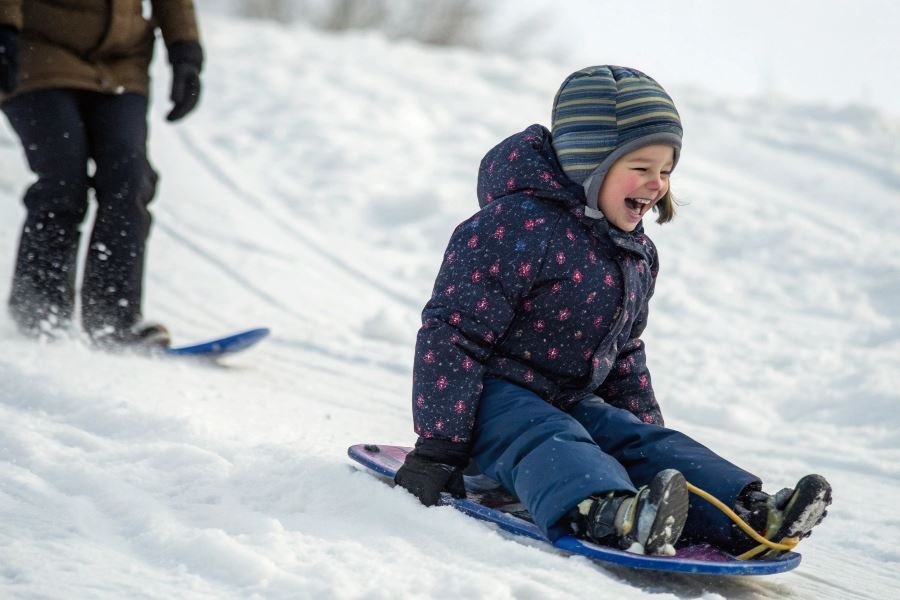
That moment when your child first glides down a snowy slope, face beaming with accomplishment—it’s priceless. But that magical experience depends heavily on one crucial decision: choosing the right snowboard.
Selecting appropriate snowboarding equipment for children isn’t just about finding something that “works”—it’s about creating the perfect foundation for safety, enjoyment, and rapid skill development. When kids have properly sized and designed boards, they’re not fighting their equipment; they’re working with it.
“The difference between a child struggling all day and one progressing through basic skills often comes down to having the right board underfoot.”
Age-appropriate design matters tremendously. A 5-year-old needs fundamentally different features than a 12-year-old. Younger children benefit from shorter, softer boards with catch-free edges that forgive mistakes, while pre-teens might need something with more stability as they build speed and confidence. The flex pattern—how easily a board bends—should match your child’s weight and strength.
Learning acceleration happens naturally with proper equipment. When children have boards that respond appropriately to their movements, they develop correct technique from day one. This creates a positive feedback loop: proper technique leads to successful runs, which builds confidence, which encourages more practice.
Remember that growth spurts can quickly render equipment obsolete. Many parents find adjustable bindings and slightly longer boards provide better value as children develop both physically and in skill level.
The Perfect Fit: Essential Factors for Kids’ Snowboards
Finding the right snowboard for your young shredder isn’t just about picking the coolest graphics (though let’s be honest, that matters to them!). The technical aspects of a child’s snowboard can make the difference between frustrating falls and confidence-building progression on the slopes.
When selecting snowboards for children, what you pay attention to when choosing will dramatically impact their experience. The right board works with their developing skills rather than against them, turning those first tentative slides into confident carves. Let’s dive into the critical factors that separate the perfect youth board from the wrong one.
Size Matters: Length and Width Considerations
Getting the right size is absolutely crucial. Unlike adult boards where height is the primary measurement, children’s snowboards require a more nuanced approach:
Height-based starting point: The board should typically reach between the child’s chin and nose when stood on end. This provides a manageable length for control.
Weight factors: A heavier child may need a slightly longer board for stability, while lighter kids benefit from shorter boards that are easier to maneuver.
Ability adjustments:
- Beginners: Go 5-10cm shorter than recommended for easier turning
- Intermediate: Standard size recommendations work well
- Advanced: Can size up slightly for more stability at speed
| Child’s Weight | Beginner Length | Intermediate Length |
|---|---|---|
| 40-60 lbs | 90-110 cm | 100-120 cm |
| 60-80 lbs | 110-125 cm | 120-135 cm |
| 80-100 lbs | 125-135 cm | 130-145 cm |
Flex Patterns: Finding the Sweet Spot
Board stiffness dramatically affects how a snowboard performs, and children need specific flex patterns to support their development:
Soft flex (1-3 on a 10-point scale): Perfect for beginners and younger riders. These boards forgive mistakes and require less physical strength to initiate turns.
Medium flex (4-5): Ideal for progressing riders who have mastered the basics but aren’t yet hitting advanced terrain. Offers a balance of forgiveness and response.
Avoid stiff boards for most children under 12, as they require significant strength and technique to control properly. Even talented young riders typically benefit from a slightly softer flex than adults at the same skill level.
Shape and Profile: The Foundation of Performance
The board’s shape and profile (the way it curves from tip to tail) dramatically influence how it rides:
Directional vs. Twin:
- Directional: Better for beginners focusing on basic turns and control
- Twin: Ideal for park-oriented kids who want to ride switch and try tricks
Profile options:
-
Camber: The traditional profile with pressure points near the bindings
-
Pros: Better edge hold, more pop for jumps
-
Cons: Can catch edges more easily for beginners
-
Rocker: Reverse camber that lifts contact points
-
Pros: Incredibly forgiving, excellent for deep snow, easier turning
-
Cons: Less stable at speed, reduced edge grip on hard snow
-
Hybrid profiles: The best of both worlds
-
Rocker/Camber/Rocker: Forgiving yet responsive, ideal for advancing riders
-
Camber/Rocker/Camber: Better for all-mountain performance as skills develop
For true beginners, a full rocker or rocker-dominant hybrid provides the most forgiving platform to learn on, dramatically reducing the frustrating “edge catches” that lead to unexpected falls.
Remember that the right board grows with your child’s skills, providing just enough challenge to progress without overwhelming them with features they’re not ready to utilize.
Making the Final Call on Your Child’s Snowboard
Choosing the perfect snowboard for your young shredder involves more than just picking the coolest graphics (though that matters too!). After exploring all the technical aspects, it’s time to bring everything together and make that final decision. Let’s dive into the factors that will help you make a choice you won’t regret when the powder starts falling!
Smart investment strategies for growing riders
Finding that sweet spot between quality, growth potential, and your wallet isn’t just possible—it’s essential. The “buy cheap, buy twice” philosophy rarely works with snowboarding equipment, but that doesn’t mean emptying your savings account either.
Quality foundations matter. Boards from established manufacturers like Burton, K2, and Arbor typically offer better edge durability and base construction that withstand the learning process. Remember that a quality board might cost more upfront but will maintain better resale value when your child outgrows it.
Consider adjustable bindings that accommodate at least one shoe size of growth to extend your investment’s lifespan.
For the budget-conscious, last season’s models often deliver 90% of the performance at 60-70% of the price. Many retailers offer significant discounts on previous year’s inventory, especially during spring sales or early fall.
Rent or buy: Making the smart call
Renting makes perfect sense in specific scenarios:
| When to Rent | When to Buy |
|---|---|
| First-time riders | Riding 5+ days per season |
| Growth spurts expected | Consistent interest shown |
| Vacation-only riding | Multiple family riders (sharing) |
| Trying different styles | Special needs requiring customization |
The rental math is straightforward: if your child will ride fewer than 4-5 days per season, renting typically proves more economical. Most resorts offer season-long rental packages that provide significant savings over daily rates and allow exchanges as skills develop.
The average child’s snowboard setup costs between $250-400, while season rentals typically range from $100-180. If your child rides more than 5 days annually, ownership often becomes the better financial choice.
However, if your young rider shows consistent enthusiasm and you’re hitting the slopes regularly, ownership provides convenience, consistency, and the ability to truly customize their setup as they progress.
Bringing your child into the decision process
Perhaps the most overlooked aspect of selecting a children’s snowboard is involving the rider themselves! Children who participate in choosing their equipment show dramatically higher engagement levels on the mountain.
Build excitement through participation. Take your child to a specialty shop where they can physically handle different boards. Let them feel the weight differences and see how various flex patterns work.
The psychological ownership that comes from having a say in the selection process translates directly to motivation on the slopes.
Even for younger children, offering controlled choices (“Do you prefer this blue board or the red one?”) creates investment in the sport. For older kids, explaining the technical differences and letting them contribute to the decision respects their growing independence.
Remember that while you’re making a financial decision, they’re beginning a relationship with a sport that might last a lifetime. Their enthusiasm for their equipment often determines how quickly they progress and how much enjoyment they derive from those early, crucial days on the mountain.