
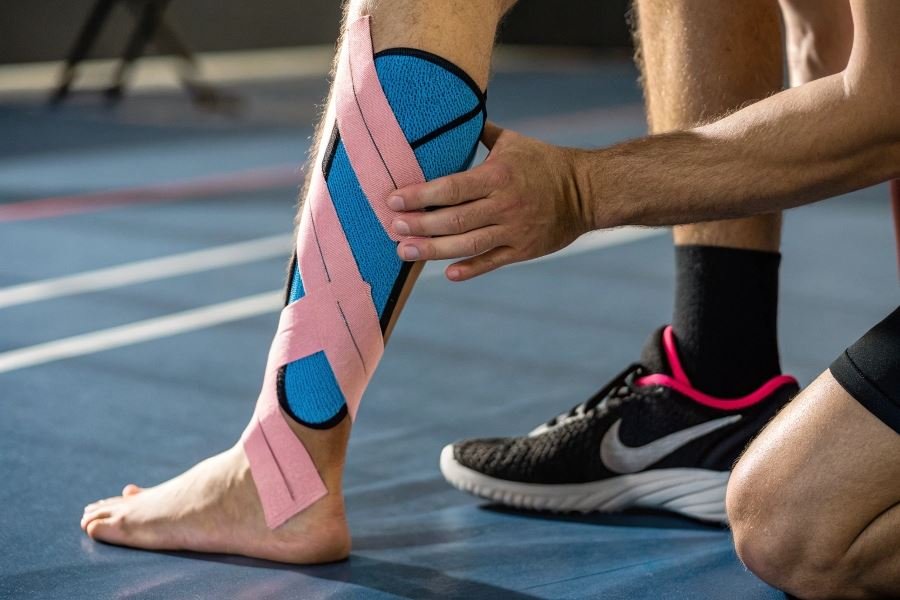
Ever watched an athlete’s performance crumble because of a preventable injury? That split-second when everything changes – the grimace, the fall, the season potentially over. What if I told you something as simple as a strip of adhesive could be the difference between victory and the sidelines?
Sports tapes have revolutionized how athletes at every level protect their bodies and enhance performance. These unassuming strips of adhesive technology serve as both armor and enhancement, creating the structural support that keeps ligaments aligned and muscles firing at optimal capacity.
When we dive into the world of sports tapes, two distinct categories emerge: rigid and elastic. Rigid tapes are the immovable guardians – they lock joints in place with unyielding support, perfect for stabilizing injured areas. Think of them as the defensive linemen of the tape world. Elastic tapes, meanwhile, are the dynamic playmakers – they stretch and recoil with your body’s movements, providing support without restriction.
The purpose behind the stick
Sports tapes serve dual masters: injury prevention and performance enhancement. They create external stability for vulnerable joints, improve proprioception (your body’s positional awareness), and can even correct biomechanical inefficiencies that might be holding you back.
Choosing your perfect match
Selecting between rigid and elastic tapes isn’t just about preference – it’s about purpose:
- Injury status: Acute injuries typically demand rigid tapes for immobilization, while chronic conditions often benefit from elastic options
- Activity requirements: Sports requiring explosive movements might favor elastic tapes’ flexibility
- Application duration: Rigid tapes generally maintain support longer but can irritate skin with extended wear
- Skin sensitivity: Some adhesives trigger reactions in sensitive individuals
The right tape choice becomes your silent partner in performance – there when you need it, forgotten when you don’t. Your body’s demands, your sport’s requirements, and your personal comfort all play crucial roles in finding your perfect match.
The Ultimate Tape Showdown: Rigid vs. Elastic Sports Tapes
When athletes reach for that roll of tape before competition, they’re making a crucial decision that impacts performance, recovery, and injury prevention. The comparison of rigid and elastic sports tapes reveals two fundamentally different approaches to supporting the body during physical activity, each with distinct advantages depending on your specific needs.
Rigid Tapes: Maximum Support When You Need It Most
Rigid athletic tapes are the veterans of the sports medicine world. Typically composed of cotton backing with zinc oxide adhesive, these non-stretch tapes create a fortress around joints and muscles. The primary function? Immobilization and stability.
When applied correctly, rigid tape creates a mechanical barrier that physically restricts movement in unwanted directions. This makes it invaluable for:
- Acute injury management
- Joint stabilization (particularly ankles and wrists)
- Supporting ligament injuries
- Creating a solid foundation for complex taping techniques
The limitation of movement isn’t a bug—it’s the feature. By restricting motion to safe ranges, rigid tape helps prevent further injury while supporting healing structures. However, this comes with tradeoffs: reduced circulation, potential skin irritation, and the need for proper application technique to avoid complications.
Elastic Tapes: Freedom With Support
The evolution of kinesiology and elastic tapes has revolutionized how athletes approach taping. These cotton or synthetic fabric tapes with acrylic adhesive can stretch up to 140% of their resting length, mimicking the elasticity of human skin.
The magic of elastic tapes lies in their ability to provide:
- Dynamic support without restricting natural movement
- Gentle compression that improves circulation
- Proprioceptive feedback through skin stimulation
- Muscle facilitation or inhibition depending on application direction
Elastic tapes work with your body rather than against it. The gentle lifting action on the skin creates microscopic space between tissue layers, potentially improving lymphatic drainage and reducing pressure on pain receptors.
Application Techniques and Durability: The Practical Differences
The application approach varies dramatically between these tape types:
| Feature | Rigid Tape | Elastic Tape |
|---|---|---|
| Pre-application | Requires underwrap, adhesive spray | Often applied directly to skin |
| Tension | Applied with significant tension | Variable tension (0-100%) based on goal |
| Duration | Typically 1 day maximum | 3-5 days of continuous wear |
| Water resistance | Poor to moderate | Excellent (with proper anchoring) |
| Removal | Often requires scissors, adhesive remover | Peels off with less skin trauma |
Rigid tapes demand precision—too loose and they fail to support; too tight and they can impair circulation. They’re typically applied immediately before activity and removed shortly after. The application process often requires a second pair of hands for optimal results.
Elastic tapes offer greater forgiveness in application and significantly longer wear time. The advanced adhesives can withstand showers and intense sweating while maintaining effectiveness for days rather than hours.
“The choice between rigid and elastic isn’t about which is better—it’s about matching the right tool to your specific needs,” explains sports physiotherapist Dr. James Thompson. “Sometimes you need a cast, sometimes you need a compression sleeve. Tape selection follows the same principle.”
For acute injuries requiring immobilization, rigid tape remains the gold standard. For recovery support, movement enhancement, and longer-term wear, elastic varieties offer clear advantages. Many elite athletes incorporate both types into their injury prevention and performance enhancement strategies, recognizing that these tools complement rather than compete with each other.
Making the Right Choice: Tape Selection for Every Athlete
Sport-specific tape recommendations by injury type
When it comes to supporting injuries and preventing further damage, the tape you choose can make all the difference. Different sports create unique demands on the body, requiring specific support solutions.
For contact sports like football and rugby, rigid tapes like Johnson & Johnson zinc oxide tape provide maximum joint stabilization. These non-elastic options create a cast-like support that’s crucial for acute ankle sprains and wrist injuries where immobilization is the priority.
Basketball and volleyball players often benefit from a hybrid approach. For chronic ankle instability, start with a rigid tape base layer for structure, then add elastic kinesiology tape for proprioceptive feedback during those explosive jumps and lateral movements.
Endurance athletes face different challenges:
“Marathon runners and triathletes need taping solutions that can withstand hours of repetitive motion, sweat, and environmental conditions while maintaining support.”
For these athletes, waterproof elastic tapes from brands like KT Tape provide the perfect balance of support and freedom of movement for IT band syndrome, plantar fasciitis, and runner’s knee.
Professional insights on rigid vs elastic applications
Athletic trainers and physical therapists consistently emphasize context when choosing between rigid and elastic options.
Rigid tape applications excel when:
- Acute injuries require immobilization
- Maximum joint stability is needed
- Short-duration, high-intensity activities are planned
- Preventing specific movements is the goal
Elastic tape shines when:
- Supporting muscles during movement
- Enhancing proprioception
- Managing chronic conditions
- Longer wear time is needed (3-5 days)
Professional climber Alex Johnson notes, “I use rigid tape for finger support during competition where I need maximum stability for a few hours, but switch to elastic kinesiology tape during training weeks when I need support that lasts through multiple sessions.”
Three key considerations for optimal tape selection
Movement requirements
The fundamental question: does the athlete need restriction or facilitation? Rigid tapes restrict movement by design, creating mechanical barriers. Elastic tapes allow controlled movement while providing sensory feedback and gentle support.
| Activity Need | Recommended Tape Type | Example Application |
|---|---|---|
| Full restriction | Rigid zinc oxide | Acute ankle sprain |
| Moderate support | Hybrid application | Chronic wrist instability |
| Movement with feedback | Elastic kinesiology | Rotator cuff support |
Application duration and environment
Environmental factors dramatically impact tape performance. Rigid tapes typically last 1-2 hours during intense activity before needing reapplication. Their adhesive breaks down with sweat and movement.
Elastic tapes from manufacturers like RockTape can maintain effectiveness for 3-5 days, even through showers and swimming. This makes them ideal for events like triathlons or multi-day tournaments.
Skin sensitivity and removal considerations
The final consideration is often overlooked but critically important: skin tolerance. Rigid tapes use stronger adhesives that can irritate sensitive skin, especially with repeated applications. Pre-wrap or underwrap products are essential for athletes requiring frequent rigid taping.
Elastic tapes typically use less aggressive adhesives designed for longer wear, making them gentler on the skin. However, proper removal technique—pulling parallel to the skin rather than up—is essential for both tape types to prevent skin trauma.