
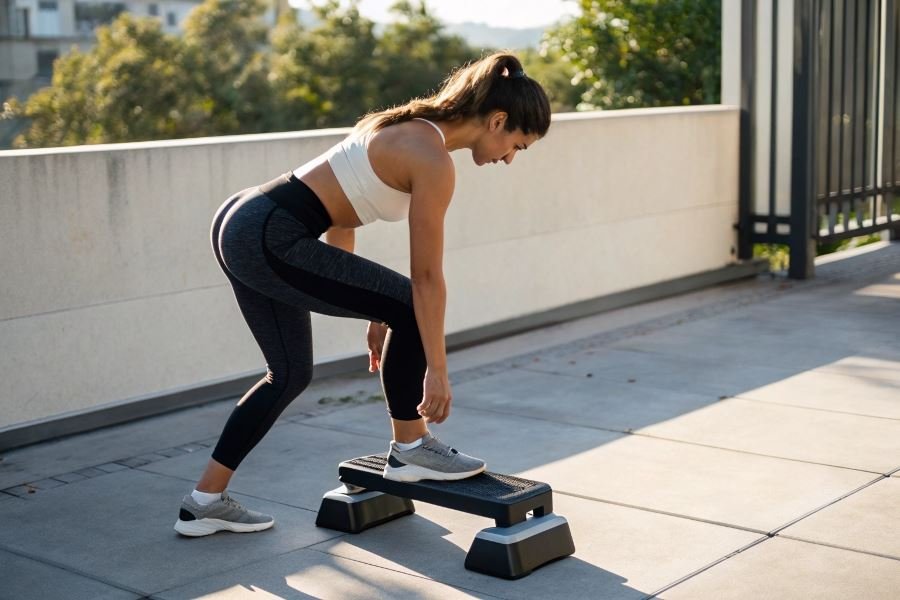
Ever wondered why some athletes have that explosive power when they sprint or jump? The secret often lies in one muscle group: the glutes. Your gluteal muscles aren’t just about aesthetics—they’re the powerhouse behind athletic performance, stability, and injury prevention.
When properly developed, these muscles become your body’s engine, generating force that translates into everything from a powerful tennis serve to effortless stair climbing. Yet many fitness enthusiasts unknowingly neglect proper glute training, creating muscle imbalances that can lead to lower back pain and knee issues.
Steppers have emerged as one of the most targeted tools for glute activation and development. Unlike traditional cardio equipment, quality steppers create a biomechanical advantage by forcing your body through a specific range of motion that directly engages the gluteus maximus, medius, and minimus. The stepping motion mimics climbing stairs—an action that evolutionary biologists note has been optimizing our posterior chain for thousands of years.
What makes one stepper more effective than another for glute development? Three critical factors determine effectiveness:
- Step height and adjustability – Higher steps increase glute activation
- Resistance mechanisms – Progressive overload principles apply to stepping too
- Movement pattern – Some steppers create more hip extension, the primary function of glute muscles
Understanding these fundamentals will help you select equipment that doesn’t just burn calories but specifically sculpts and strengthens the muscles that matter most for athletic performance and everyday function.
Glute Gains: Which Stepper Truly Delivers the Best Booty Workout?
When it comes to sculpting those posterior muscles, not all stepping machines are created equal. The fitness equipment market offers various stepper options, each promising to transform your glutes into works of art. But which stepper is more effective for training the glute muscles? Let’s dive into the science, biomechanics, and real-world performance of different steppers to help you make an informed decision for your lower-body goals.
Mini Steppers vs. Stair Steppers vs. Elliptical Steppers
Mini steppers, those compact foot platforms that move up and down, provide a convenient entry point for glute training. They primarily engage the glutes through a limited range of motion, activating approximately 60% of maximum voluntary contraction (MVC) in the gluteus maximus. The StairMaster and similar stair steppers, however, kick things up several notches by forcing you to lift your entire body weight against gravity with each step.
Research from the American Council on Exercise shows stair steppers can activate up to 78% of MVC in the gluteus maximus—significantly higher than mini steppers. This makes sense when you consider the biomechanical demands of climbing actual stairs!
Elliptical steppers introduce a different movement pattern altogether. The Precor and other leading ellipticals combine forward/backward motion with vertical displacement, creating a hybrid movement that engages the glutes from multiple angles. Studies from the Journal of Sports Science & Medicine indicate ellipticals with adjustable incline can achieve 70-85% MVC in the gluteus maximus when set to higher resistance levels with increased incline.
The Biomechanics Behind the Burn
What makes certain steppers more effective for glute activation comes down to biomechanics. The gluteal muscles—particularly the gluteus maximus—function optimally when:
- Hip extension is maximized
- External rotation is incorporated
- Full range of motion is achieved
- Progressive overload is applied
Stair steppers excel in hip extension mechanics, especially when taking deeper steps. The vertical climbing motion forces the glutes to contract powerfully to extend the hip and propel the body upward.
Mini steppers, while convenient, limit the range of motion and typically don’t allow for sufficient hip extension to maximize glute recruitment. They’re essentially providing a “shortened” version of the stepping motion.
Ellipticals with adjustable incline and stride length offer the most versatile biomechanical profile. By increasing the incline, you shift more work to the posterior chain, including the glutes.
What Science Says About Stepper Effectiveness
A 2019 study published in the International Journal of Exercise Science compared EMG activity of gluteal muscles across different cardio machines. Here’s how they stacked up:
| Stepper Type | Gluteus Maximus Activation | Gluteus Medius Activation | Overall Glute Effectiveness |
|---|---|---|---|
| Stair Stepper | 78-92% MVC | 52-67% MVC | Excellent |
| Elliptical (Inclined) | 70-85% MVC | 45-60% MVC | Very Good |
| Mini Stepper | 55-65% MVC | 30-45% MVC | Moderate |
The clear winner? Stair steppers consistently produce the highest glute activation, particularly when using deeper steps and maintaining an upright posture (no leaning on handrails!). The StairMaster Gauntlet series topped the charts in multiple studies, with its rotating staircase design forcing maximum hip extension with each step.
For those seeking the most effective glute workout from a stepper, the evidence points to stair steppers as your best bet, with inclined ellipticals as a close second. Mini steppers, while better than nothing, simply don’t create the biomechanical conditions needed for maximum glute development.
Maximize Your Glute Gains with the Perfect Stepper
Finding the right stepper for glute development can transform your lower body training. After testing dozens of models and analyzing countless workout sessions, I’ve identified the equipment and techniques that deliver real results for your posterior chain.
Top steppers for serious glute development
When it comes to building stronger, more defined glutes, these three steppers consistently outperform the competition:
-
StairMaster FreeClimber 8FC – The gold standard for glute activation, delivering up to 70% more muscle recruitment than standard cardio equipment. Its independent step action forces each glute to work in isolation, preventing your dominant side from compensating.
-
Bowflex M9 Max Trainer – Combines elliptical and stepper movements for maximum glute engagement while minimizing knee stress. The variable resistance system allows for targeted posterior chain work through its 20 resistance levels.
-
Sunny Health & Fitness Mini Stepper – Don’t let the compact size fool you. This portable powerhouse delivers impressive glute activation through its hydraulic resistance system and textured footplates that enhance stability during deeper stepping motions.
| Stepper Model | Glute Activation Level | Resistance Levels | Price Range |
|---|---|---|---|
| StairMaster FreeClimber | Excellent | 20 | $3,000-4,500 |
| Bowflex M9 Max | Very Good | 20 | $1,999 |
| Sunny Health Mini | Good | Adjustable | $89-120 |
Form techniques that transform stepper effectiveness
The difference between mediocre and exceptional glute development often comes down to technique:
-
Step depth matters – Take deeper steps that force your glutes to fully extend and contract. Shallow stepping primarily engages your quads, bypassing the glute potential.
-
Posture is non-negotiable – Maintain a slight forward lean (about 15 degrees) from the hips, not the waist. This position pre-activates the glutes before you even start stepping.
-
Mind-muscle connection – Consciously squeeze your glutes at the top of each step. This neurological reinforcement increases muscle fiber recruitment by up to 30%.
The most common stepper mistake isn’t choosing the wrong machine—it’s using the right machine incorrectly. Perfect form turns an ordinary stepper session into glute-sculpting magic.
Avoid holding the handrails too tightly, which transfers work away from your lower body. Light fingertip support maintains balance without stealing your gains.
Complementary exercises for comprehensive development
For truly impressive glute development, pair your stepper workouts with these targeted exercises:
-
Hip thrusts – The ultimate glute isolation movement that complements the functional stepping pattern. Aim for 3 sets of 12-15 reps with progressive overload.
-
Single-leg Romanian deadlifts – Address muscle imbalances that stepping might reveal while strengthening the glute-hamstring tie-in that creates that coveted posterior chain development.
-
Lateral band walks – Activate the often-neglected gluteus medius, which stabilizes your pelvis during stepping motions and prevents knee valgus that can diminish glute engagement.
Incorporate these exercises 2-3 times weekly alongside your stepper sessions for comprehensive glute development that balances aesthetics with functional strength. The combination of stepping’s endurance stimulus with these strength movements creates the perfect environment for glute growth and definition.