
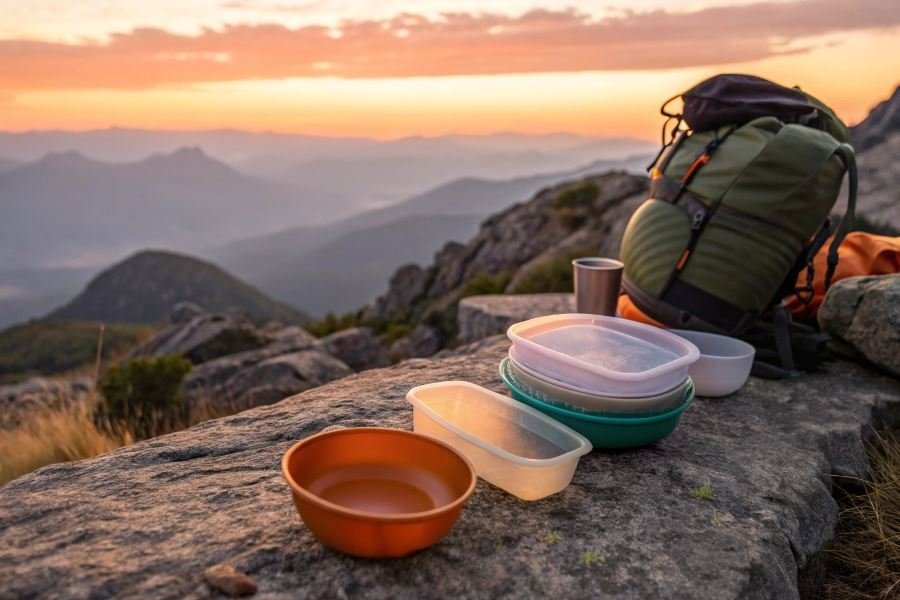
Ever wondered how much waste your weekend camping trip generates? The average camper produces nearly 2 pounds of trash daily—with disposable plates, cups, and utensils making up a significant portion. This isn’t just a statistic; it’s a wake-up call for outdoor enthusiasts who cherish the very environments they’re inadvertently harming.
Creating an eco-friendly camping kitchen isn’t just possible—it’s becoming the gold standard for responsible outdoor recreation. The concept of organizing a camping kitchen with minimal disposable items transforms how we experience nature while preserving it for future adventures. Think of it as bringing the functionality of your home kitchen to the wilderness, minus the environmental footprint.
The environmental ripple effect
Disposable dishes might seem convenient in the moment, but their impact lingers long after your trip ends. Many camping areas lack proper recycling facilities, meaning those plastic forks and foam plates often end up in landfills or, worse, as litter in pristine natural areas. Wildlife can mistake these items for food, leading to devastating consequences.
The organized advantage
A well-planned camping kitchen system delivers benefits beyond environmental stewardship:
- Time savings: No more digging through disorganized supply boxes
- Cost efficiency: Quality reusable gear outlasts countless disposables
- Enhanced experience: Food simply tastes better on proper dinnerware!
Smart planning for success
Before loading up your vehicle, consider:
- Group size and trip duration: Right-size your kitchen setup
- Available packing space: Collapsible and nested items maximize efficiency
- Water access: This determines your washing capabilities and influences gear choices
Essential Gear for a Sustainable Camp Kitchen
When you’re miles from civilization with nothing but stars overhead, the last thing you want is a campsite littered with paper plates and plastic forks. Setting up an efficient camping kitchen with minimal disposable items isn’t just environmentally responsible—it’s a game-changer for your outdoor experience.
The art of organizing a camping kitchen with a minimal amount of disposable dishes requires thoughtful planning and the right equipment. With proper gear selection, you can create a functional cooking space that rivals your home kitchen while leaving virtually no trace behind. Let’s dive into the essential components that will transform your outdoor culinary headquarters.
Bombproof Cookware That Goes the Distance
The foundation of any sustainable camp kitchen starts with durable, lightweight cookware that can handle everything from morning coffee to evening feasts. The Snow Peak Titanium Multi Compact Cookset weighs a mere 11.6 ounces yet includes multiple pots with lids that double as plates. For solo adventurers, the MSR Ceramic 2-Pot Set offers non-stick performance without toxic coatings.
When it comes to eating utensils, forget disposables. A quality titanium spork weighs less than a plastic alternative but will last decades. The Light My Fire Titanium Spork combines fork, spoon, and even has a serrated edge for cutting—all in one 0.7-ounce package.
For groups, consider:
| Item | Weight | Serves | Lifespan |
|---|---|---|---|
| GSI Outdoors Pinnacle Camper Cookset | 3.7 lbs | 4 people | 10+ years |
| Toaks Titanium 750ml Pot | 3.6 oz | 1-2 people | Lifetime |
| Hydro Flask Outdoor Kitchen Collection | Varies | Modular | Lifetime warranty |
Multi-taskers That Earn Their Keep
Space is precious when backpacking, so every item must justify its weight. The Leatherman Signal multitool includes pliers, knife, bottle opener, and even a fire-starter—eliminating the need for multiple tools. For food storage, collapsible silicone containers compress to a fraction of their size when empty.
Smart packing means selecting items that serve multiple purposes rather than single-use alternatives.
The Sea to Summit X-Set features collapsible bowls, cups, and pots that nest together, saving valuable pack space. Their X-Brew Coffee Dripper weighs just 2.9 ounces but delivers barista-worthy coffee without disposable filters.
Space-saving innovations worth considering:
- Nesting cookware systems that combine pots, pans, plates, and cups
- Collapsible water containers that flatten when empty
- Folding cutting boards that double as serving platters
Clean-Up Crew: Eco-Friendly Solutions
Maintaining reusable gear requires effective cleaning solutions that won’t harm the environment. Campsuds biodegradable soap works for dishes, hands, and even clothing in a pinch. A microfiber dishcloth weighs nothing but cleans everything, eliminating paper towel waste.
For stubborn food residue, pack a small silicone scraper and a compact pot scrubber made from natural materials. The GSI Outdoors Compact Scraper weighs just 0.4 ounces but makes cleanup dramatically easier.
Create a three-stage washing system using collapsible buckets:
- Scrape food particles into your waste bag
- Wash with biodegradable soap in minimal water
- Rinse with clean water, collecting gray water for proper disposal
This approach uses approximately 70% less water than traditional washing methods while ensuring your reusable gear stays pristine trip after trip.
By investing in quality, multi-purpose equipment, you’ll not only minimize waste but also enhance your camping experience with a kitchen system that’s both practical and planet-friendly.
Camping Kitchen Mastery Without the Waste
Let’s face it—there’s nothing quite like cooking under an open sky, but the last thing our wilderness deserves is a trail of disposable plates and plastic forks. Creating an efficient camping kitchen isn’t just about packing light—it’s about respecting the spaces we love to explore. Here’s how to build a campsite culinary command center that’s organized, efficient, and keeps single-use items to an absolute minimum.
Pack like a pro, cook like a champion
The foundation of any great camping kitchen starts before you leave home. Nesting cookware sets are game-changers for space efficiency. Products like the Snow Peak Titanium Multi Compact Cookset pack multiple pots, pans, and even cups into a footprint barely larger than a single pot.
For utensils and tools, consider these space-saving approaches:
- Roll your utensils in a canvas wrap with dedicated pockets
- Use multi-tools like the Gerber ComplEAT that combines spoon, fork, spatula and tongs in one tool
- Store spices in contact lens cases or tic-tac containers
The most organized campers use color-coding systems to quickly identify what’s where, even in low light conditions.
For food storage, transparent containers with secure lids prevent leaks and allow you to see contents without unpacking everything. Pre-measure ingredients at home and label clearly—this isn’t just organization, it’s sanity preservation when you’re cooking by headlamp.
Meal planning that minimizes waste
Strategic meal planning is your secret weapon against disposable dishware. Consider this approach:
| Day | Meal Strategy | Waste Reduction Technique |
|---|---|---|
| 1 | One-pot wonders | Single cooking vessel means fewer dishes |
| 2 | Foil packet meals | Food cooks in its own wrapper |
| 3 | Pre-prepped ingredients | Precise portions eliminate excess |
Start your trip with meals requiring the freshest ingredients, saving shelf-stable options for later days. Cook once, eat twice by intentionally making extra portions that can transform into different meals later.
The smartest campers plan meals that use similar base ingredients in different ways, reducing both packing volume and potential food waste.
For snacks, ditch individually wrapped options and portion trail mix, nuts, and dried fruits into reusable silicone bags. Stasher bags are particularly durable for camping conditions and can be washed with minimal water.
Setting up your wilderness kitchen
Location matters enormously when establishing your camp kitchen. Look for:
- Natural wind protection
- Flat, stable surface for cooking
- Proximity to water (but still following Leave No Trace principles)
- Adequate distance from sleeping areas (food odors attract wildlife)
Create dedicated zones within your kitchen area—cooking, cleaning, prep, and storage. This station-based approach prevents cross-contamination and keeps everything running smoothly.
For cleaning with minimal water, bring a spray bottle with biodegradable soap solution and a dedicated scrubbing brush. The GSI Outdoors Compact Scraper removes food residue before washing, dramatically reducing water needs.
Maintenance is non-negotiable in a camp kitchen. Wipe surfaces after each use, secure food in animal-proof containers, and perform a quick reset before turning in each night. This five-minute investment prevents morning chaos and keeps wildlife encounters to fascinating glimpses rather than midnight raids.
Remember: The wilderness has no janitor. A truly successful camping kitchen leaves absolutely no trace that you were ever there, except perhaps the stories you’ll tell about that perfect meal under the stars.