
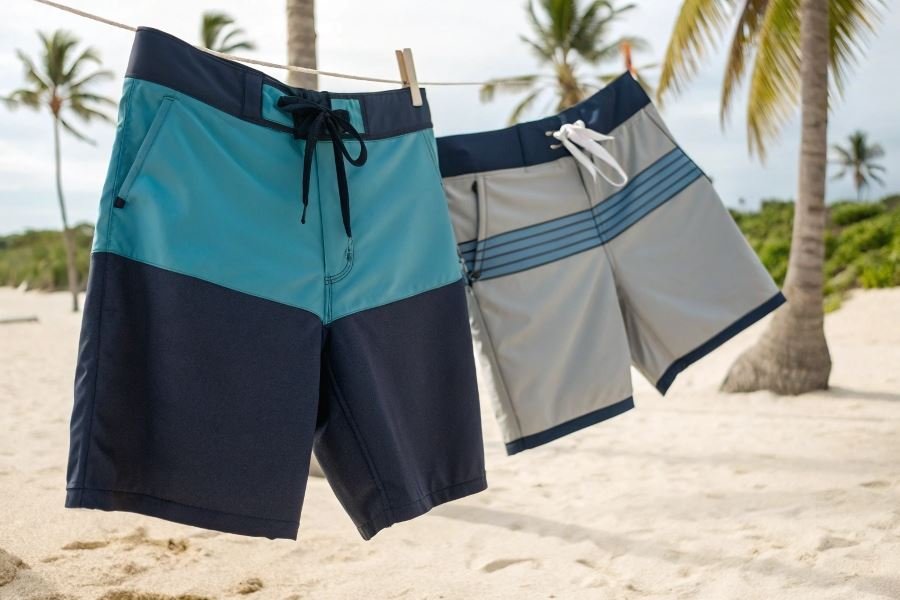
Ever stood in a locker room with a sopping wet swimsuit in your hand and nothing but a plastic grocery bag to put it in? That flimsy makeshift solution—dripping through and soaking everything else in your gym bag—is now ancient history thanks to a remarkable evolution in waterproof technology.
The journey of waterproof bags has been nothing short of extraordinary. What began as simple oilcloth sacks in the early 20th century transformed into rudimentary vinyl pouches by the 1970s. The real game-changer came in the 1990s with the introduction of thermoplastic polyurethane (TPU) coatings that maintained flexibility while providing superior water resistance.
Today’s market demands have pushed innovation even further. Weekend warriors hitting the beach, parents managing kids’ swim lessons, and elite triathletes all need solutions that don’t just contain moisture—they need bags that manage it. Modern wet bags now incorporate antimicrobial linings that prevent mildew growth, odor-neutralizing technologies, and even moisture-wicking interior panels that accelerate drying time.
The technological advancements don’t stop there. The latest generation of wet bags features:
- Ultrasonic welded seams that eliminate stitching holes where water might seep through
- Smart ventilation systems that allow airflow without water penetration
- Eco-friendly, PFC-free water repellent coatings that maintain performance without harmful chemicals
These aren’t just bags—they’re sophisticated moisture management systems disguised as everyday accessories.
Material Revolution in Waterproof Storage
The landscape of waterproof storage has undergone a remarkable transformation in recent years. What was once a simple plastic bag has evolved into a sophisticated ecosystem of technical fabrics and smart design. This evolution represents the cutting edge of functional gear that serious athletes and active families have been waiting for.
Waterproof Fabrics That Defy Physics
Modern waterproof bags leverage materials that would seem almost magical to previous generations. The latest TPU (Thermoplastic Polyurethane) coated nylons offer waterproof ratings exceeding 20,000mm hydrostatic head—meaning they can withstand water pressure equivalent to being submerged 20 meters deep. These aren’t just water-resistant; they’re completely impermeable.
The innovative technologies in bags for wet items now include fabrics with molecular structures specifically engineered to repel water while maintaining flexibility. Dyneema composite fabrics, for instance, offer waterproofing while being 15 times stronger than steel by weight. These ultra-thin materials have revolutionized how we think about protecting our gear from moisture.
What makes these materials truly revolutionary isn’t just their waterproofing capabilities, but their durability-to-weight ratio.
| Material | Waterproof Rating | Weight (oz/yd²) | Durability Rating |
|---|---|---|---|
| Standard PVC | 10,000mm | 12-16 | Medium |
| TPU Nylon | 20,000mm | 4-7 | High |
| Dyneema Composite | 30,000mm+ | 0.5-2 | Very High |
| Silnylon | 15,000mm | 1.3-1.9 | Medium-High |
Smart Interior Linings That Work Overtime
The interior of today’s wet bags works as hard as the exterior. Advanced moisture-wicking linings don’t just contain wetness—they actively manage it.
Microfiber grid patterns create channels that distribute moisture evenly, preventing pooling and accelerating drying time by up to 40%. Some premium bags incorporate silver-ion technology that prevents bacterial growth and eliminates odors, even when gear remains damp for extended periods.
The most advanced linings feature hydrophilic/hydrophobic gradient structures—materials that actually change their molecular orientation based on moisture levels. This creates a one-way moisture transport system that pulls dampness away from valuable items toward designated absorption zones.
Sustainable Waterproofing Without Compromise
Perhaps the most exciting development is the emergence of eco-friendly waterproof materials that perform as well as—or better than—their synthetic counterparts.
Mirum represents a breakthrough as a plastic-free, petroleum-free alternative to traditional waterproof fabrics. Created from natural rubber, plant oils, and agricultural waste, it offers impressive waterproofing while being fully biodegradable.
Recycled ocean plastics have found new purpose in high-performance wet bags, with brands like Patagonia and Rareform leading the charge.
Biobased TPUs derived from corn and sugarcane rather than petroleum now match the performance of traditional materials while reducing carbon footprint by up to 60%. These materials maintain flexibility in extreme temperatures from -40°F to 175°F, ensuring reliability in any environment.
The waterproof bag industry has embraced PFC-free DWR (Durable Water Repellent) treatments that avoid the harmful perfluorinated compounds that previously dominated waterproofing. These new treatments maintain 80% effectiveness even after 100 wash cycles, proving sustainability doesn’t require performance sacrifice.
This material science revolution has transformed what we can expect from bags designed for wet items—creating solutions that are lighter, stronger, more sustainable, and ultimately more functional than anything we’ve seen before.
Smart Bags That Think About Your Wet Gear
Ever pulled a damp swimsuit from your bag after practice only to find it’s created a mini ecosystem? Those days are rapidly becoming ancient history. The revolution in wet-item storage technology isn’t just changing how we transport our soaked gear—it’s completely redefining what’s possible when engineering meets moisture management.
Humidity Intelligence That Works While You Don’t
Modern wet bags now come equipped with integrated humidity sensors that do far more than just exist inside the fabric. These microscopic marvels constantly monitor moisture levels, triggering automated responses when conditions reach predetermined thresholds.
The Under Armour Waterlock series, for instance, incorporates sensors that activate ventilation channels when humidity exceeds 80%—precisely when mold typically begins to form. These systems don’t just passively allow air movement; they actively create circulation pathways that expedite drying by up to 43% compared to traditional wet bags.
What makes these systems truly revolutionary is their ability to function without power sources or user intervention.
Some premium models from Nike and Speedo have taken this technology further with micro-perforated panels that expand and contract based on internal moisture levels, creating a self-regulating environment that maintains optimal airflow regardless of external conditions.
Microscopic Guardians Against Odor and Mildew
The battle against post-workout funk has found powerful allies in antimicrobial technologies now woven directly into wet bag fabrics.
| Technology | Function | Effectiveness Duration |
|---|---|---|
| Silver Ion Infusion | Disrupts bacterial cell membranes | 2+ years with proper care |
| Copper Thread Integration | Prevents microbial reproduction | Lifetime of product |
| Zinc Oxide Nanoparticles | Creates hostile environment for microbes | 18+ months |
These technologies don’t mask odors—they eliminate the source by preventing microbial growth at the molecular level. The Lululemon Aqua Defense line incorporates a proprietary blend of silver and zinc compounds that remains effective even after hundreds of washes.
What’s particularly impressive is how these antimicrobial properties work in harmony with the bag’s physical structure. The latest designs feature microscopic surface patterns that minimize contact areas where bacteria could potentially colonize, creating a dual-defense system against both odor and deterioration.
Compartment Engineering That Defies Physics
The most sophisticated innovation might be in how modern wet bags handle separation between wet and dry items. Gone are the simple plastic dividers of yesterday.
Today’s elite wet bags feature hermetically sealed compartments with waterproof zippers that can withstand submersion tests at 30 feet for 24 hours without leakage. The Patagonia Watershed collection uses a molecular bonding process that creates seamless transitions between compartments, eliminating traditional weak points.
Some designs incorporate one-way moisture channels that allow evaporation while preventing condensation from reaching dry compartments. The Adidas Hydro-Logic system uses a semi-permeable membrane technology borrowed from medical applications that allows water vapor to escape while blocking liquid water transfer.
The most advanced bags even feature expandable wet compartments that adjust capacity based on need, with compression systems that minimize volume when partially filled. This means your wet swimsuit doesn’t slosh around in an oversized compartment, reducing both noise and potential damage from movement.
These innovations aren’t just convenient—they’re transforming how athletes, parents, and active individuals manage the perpetual challenge of wet gear transport, making “damp bag syndrome” a relic of the past.