
Ever stood in a fitting room, surrounded by swimsuits, feeling completely overwhelmed? You’re not alone. The average swimmer tries on seven suits before finding “the one.”
Finding the right swimsuit goes far beyond just looking good at the beach. Whether you’re doing laps at the local pool, surfing waves, or simply lounging poolside, your swimwear choice directly impacts both your comfort and performance. The perfect swimsuit feels like a second skin—you barely notice it’s there until you need its support, compression, or protection.
The comfort-performance connection
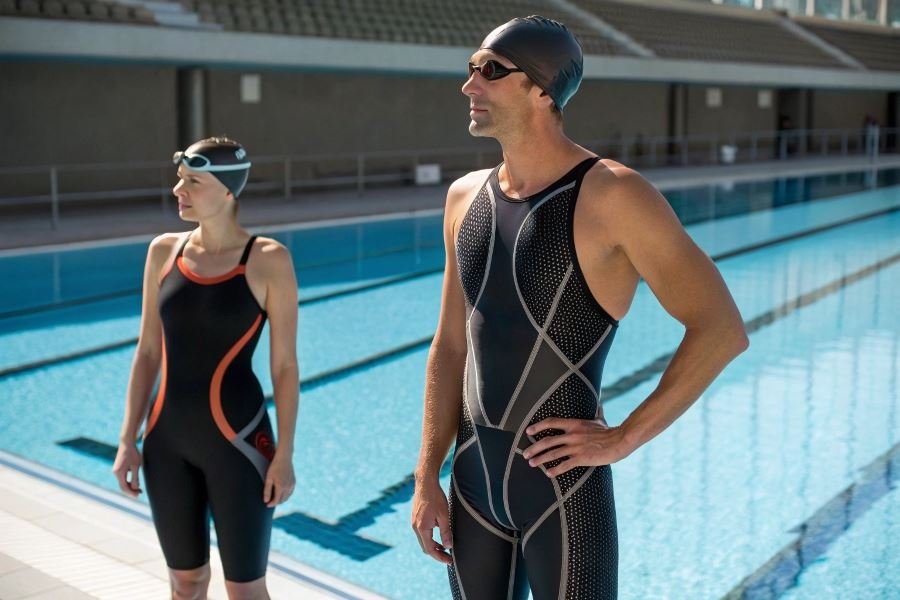
When swimwear fits properly, it creates a hydrodynamic silhouette that reduces drag in the water. Elite swimmers know this well—the right technical suit can shave precious seconds off race times. But even for recreational swimmers, proper fit means freedom of movement without constant adjustments or uncomfortable pinching.
“The right swimsuit should feel like it was made for your body alone. No tugging, no sagging, no distractions—just you and the water.”
Key selection factors that make all the difference
Several critical elements determine whether a swimsuit will become your go-to favorite or gather dust in your drawer:
- Activity type: Sprint swimming demands different features than water aerobics or beach volleyball
- Fabric technology: From chlorine-resistant polyester to quick-drying nylon blends
- Construction details: Seam placement, strap design, and back styles all affect function
- Longevity expectations: How the suit will hold up to your specific usage patterns
Your body, your swimsuit
Perhaps the most crucial consideration is understanding how your unique body shape interacts with different swimwear styles. The perfect suit celebrates your natural silhouette while providing support where you need it most. Athletic builds might benefit from different cuts than curvy figures, while tall frames have considerations distinct from petite ones.
The swimwear that makes you feel confident and comfortable is ultimately the one that will enhance your water experience—whether you’re competing, exercising, or simply enjoying a perfect summer day.
Finding Your Perfect Swimsuit Match
When diving into the world of swimwear, understanding how to choose a swimsuit: main criteria becomes your secret weapon for confidence at the beach or pool. The perfect swimsuit isn’t just about following trends—it’s about finding that magical combination of flattering fit, functional design, and quality construction that makes you feel unstoppable in the water.
Dressing for Your Body Blueprint
Your body shape provides the essential starting point for swimsuit selection. Different silhouettes enhance different features:
Pear-shaped figures thrive with attention-drawing details up top. High-neck halters and bandeau tops paired with solid-colored bottoms create visual balance. A-line skirts or boy shorts can provide comfortable coverage for the lower body.
Apple shapes benefit from swimsuits with empire waistlines and supportive underwire. One-pieces with ruching across the midsection perform miracles, while V-necks elongate the torso.
Athletic builds gain curves through strategic details—ruffles, padding, and bold patterns add dimension. Color-blocking designs create the illusion of a more defined waist.
Hourglass figures shine in classic bikinis and belted one-pieces that highlight natural proportions. Underwire support and adjustable straps ensure everything stays perfectly in place.
Remember that these are guidelines, not rules. The ultimate test is how you feel wearing it.
Performance Features for Every Splash
Your water activities dictate technical requirements:
| Activity | Recommended Features | Examples |
|---|---|---|
| Lap Swimming | Streamlined design, chlorine-resistant fabric, minimal drag | Racing suits from Speedo or TYR |
| Beach Volleyball | Secure fit, reinforced seams, stay-put design | Athletic bikinis with racerback tops |
| Surfing | Rash guard protection, secure bottoms, quick-dry material | Board shorts and performance tops |
| Lounging | Comfort-focused, fashion details, UV protection | Trendy cuts with adjustable features |
For serious swimmers, compression fabrics reduce muscle fatigue while minimizing drag. Look for suits with bonded seams rather than stitched ones—they create less friction in the water and typically last longer under intense use.
Water aerobics enthusiasts need suits that provide freedom of movement while maintaining modesty during high-energy movements. Higher necklines and secure leg openings prevent wardrobe malfunctions when you’re focused on your workout.
Material Matters: The Quality Equation
The difference between a one-season wonder and a long-term relationship with your swimsuit comes down to fabric quality:
Durability champions include polyester blends (particularly those with PBT polyester) that maintain elasticity even after hundreds of hours in chlorinated pools. Lands’ End offers suits with fabric guaranteed to last multiple seasons.
Chlorine resistance varies dramatically between materials. Look for terms like “chlorine-proof” or “chlorine-resistant” on labels—these suits contain specialized fibers that withstand chemical breakdown. Standard spandex deteriorates quickly in pool environments.
UV protection becomes crucial for extended outdoor water activities. Quality suits now offer UPF ratings (similar to SPF in sunscreen). A minimum UPF 30 blocks approximately 97% of harmful rays, while UPF 50+ blocks 98%+.
The best swimsuits balance immediate comfort with long-term performance. Premium materials might command higher prices initially but deliver superior cost-per-wear value by maintaining shape, color, and structural integrity through multiple seasons of sun, salt, and chlorine exposure.
Sealing the Deal: Your Perfect Swimsuit Decision
Style meets function in swimwear selection
Finding that sweet spot between what looks amazing and what actually works in the water isn’t just possible—it’s essential. The perfect swimsuit balances your personal style with practical considerations like activity level and body type. If you’re hitting the lap lanes, those cute string bikinis with minimal support might look Instagram-worthy but will likely fail you mid-butterfly stroke. Conversely, competition suits from brands like Speedo offer incredible function but might feel too utilitarian for casual beach days.
The compromise solution? Consider your primary use case first, then find style elements within that category. For triathletes and serious swimmers, look for suits with fashion-forward colorways and patterns while maintaining the technical fabrics and supportive cuts you need. Beach loungers can prioritize style but should still ensure proper coverage and comfort for those inevitable dips in the ocean.
The suit that stays in your rotation longest is the one that makes you feel confident while actually performing in the water.
Extending swimsuit lifespan through proper care
Even premium swimwear from TYR or Arena will deteriorate quickly without proper care. Chlorine, salt, sunscreen, and heat are the four horsemen of swimsuit apocalypse.
After every wear:
- Rinse immediately in cold water (never hot!)
- Hand wash with mild soap designed for delicates
- Press water out gently—never wring or twist
- Air dry away from direct sunlight
Pro tip: Rotating between two suits can dramatically extend their lifespan, giving each one proper time to recover between wears.
For those investing in technical suits, specialized cleaners like Summer Solutions can neutralize chlorine and preserve elasticity. The extra two minutes of care after each swim session can literally double your suit’s lifespan, saving you significant money over time.
Three critical swimsuit selection blunders
Prioritizing price over quality
The $15 bargain suit might seem like a steal until it becomes see-through after three beach trips. Quality materials from established swimwear manufacturers use chlorine-resistant fabrics like PBT or polyester blends that maintain their shape, color, and opacity. The initial investment in a $60-90 suit often delivers 5-10 times the wear of cheaper alternatives.
Ignoring your actual activities
Be honest about how you’ll use the suit. Many buyers select based on aspirational activities rather than reality. If you’re primarily a recreational swimmer who occasionally does light lap swimming, you don’t need an elite racing suit—but you do need something more supportive than a purely decorative beach piece.
Overlooking proper fit testing
The dressing room try-on isn’t enough. Move around! Squat, reach overhead, simulate swimming motions. A suit that feels fine standing still might dig in painfully during activity or shift in embarrassing ways. Remember that most swimwear stretches slightly with water exposure, so a suit that feels slightly snug when dry is often perfect when wet.
By balancing style preferences with practical considerations, implementing proper care routines, and avoiding these common selection mistakes, you’ll find yourself with a swimsuit that performs beautifully season after season—both in function and appearance.