
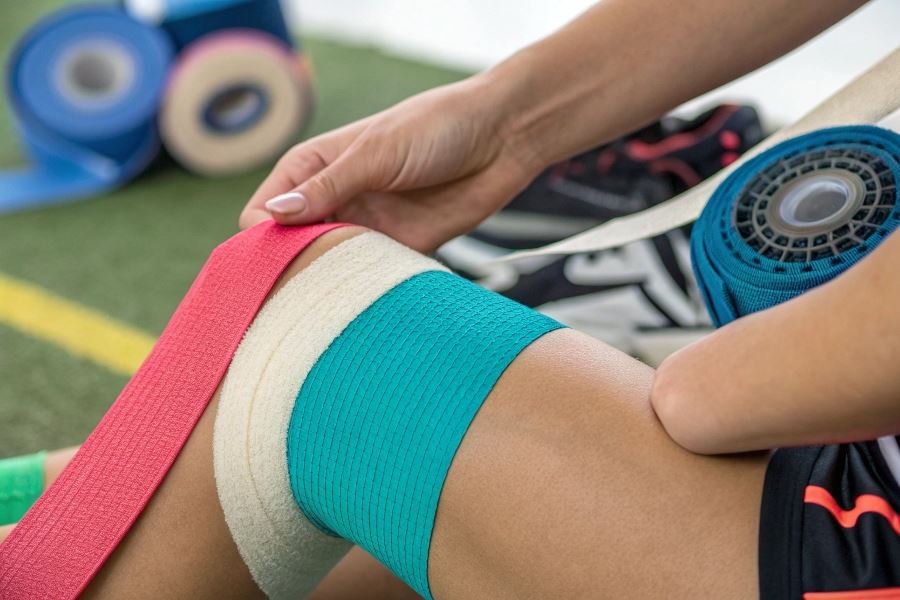
Ever watched an Olympic athlete perform with colorful strips adorning their shoulders or knees? Those aren’t fashion statements—they’re sophisticated recovery tools that have revolutionized how we approach injury rehabilitation. When tissue trauma strikes, the right therapeutic tape can be the difference between prolonged discomfort and accelerated healing.
Therapeutic tapes work through multiple mechanisms that support your body’s natural recovery processes. The best recovery tapes provide structural support while simultaneously enhancing circulation and reducing inflammation. Unlike rigid braces that immobilize completely, quality tapes allow for functional movement while still protecting injured areas—a crucial balance that modern sports medicine emphasizes.
“The magic of therapeutic tape isn’t just physical support—it’s creating the optimal environment for your body to heal itself.”
When selecting recovery tape for your injury, three factors should guide your decision: the nature of your injury, the activity level you need to maintain, and your skin sensitivity. Different injuries demand different approaches. For instance, a sprained ankle benefits from rigid, supportive tape with strong adhesive, while chronic muscle fatigue responds better to elastic kinesiology options that enhance blood flow without restricting movement.
The science behind these adhesive healers has advanced dramatically since athletic tape first appeared in the 1970s. Today’s options incorporate everything from zinc-oxide for antimicrobial protection to specialized adhesives that work even during intense sweating. Your recovery journey deserves the right tool—and understanding these differences is the first step toward making an informed choice.
Tape Your Way Back to Action
When injuries sideline your athletic pursuits, the right recovery tools can make all the difference between a quick comeback and a prolonged absence from your favorite activities. Athletic tapes have revolutionized how we approach injury recovery, providing targeted support while allowing for proper healing. The best tapes for recovery after injuries combine scientific design with practical application, creating the perfect balance between support and mobility that athletes of all levels need.
Kinesiology Tape: The Flexible Supporter
Kinesiology tape, often recognized by its vibrant colors, has become a staple in athletic recovery programs worldwide. KT Tape and RockTape lead the market with their specialized elastic cotton strips that mimic the skin’s elasticity.
Key benefits include:
- Improves circulation and reduces inflammation
- Provides support without restricting range of motion
- Retrains muscles and fascia to function properly
The magic of kinesiology tape lies in its application technique. Unlike rigid tapes, it’s applied with varying tensions depending on the injury. For muscle support, apply with 25-50% stretch; for ligament support, increase to 75-100% stretch. Always apply the anchors with zero tension.
Ideal for: Muscle strains, IT band syndrome, plantar fasciitis, and rotator cuff injuries where movement is essential for recovery.
Athletic Tape: The Rigid Protector
When maximum stability is non-negotiable, traditional athletic tape delivers uncompromising support. Johnson & Johnson Coach and Mueller offer high-quality options that have protected athletes for decades.
Rigidity advantages:
- Limits harmful movement completely
- Creates custom-fit bracing for joints
- Prevents re-injury during critical healing phases
| Application Area | Recommended Width | Overlap Percentage |
|---|---|---|
| Ankles | 1.5 inch | 50% |
| Wrists | 1 inch | 30-40% |
| Fingers | 0.5 inch | 25% |
Athletic tape application requires precision. Start with a pre-wrap to protect skin, then apply the tape in overlapping layers with consistent tension. For ankle support, the classic “stirrup” and “horseshoe” patterns remain gold standards in athletic training rooms.
Best used for: Ankle sprains, wrist injuries, finger sprains, and situations where immobilization promotes healing.
Elastic Therapeutic Tape: The Versatile Mediator
Sitting between rigid athletic tape and kinesiology tape, elastic therapeutic tape offers a middle ground that many find ideal. Elastikon and Lightplast provide excellent options in this category.
Flexibility advantages:
- Conforms to body contours while providing moderate support
- Allows controlled movement during recovery
- Maintains effectiveness during extended wear
Application guidelines focus on wrapping techniques rather than specific placement patterns. The key is maintaining consistent tension—tight enough to support but not so tight that it restricts circulation. The spiral wrap technique works particularly well for limbs, while figure-eight patterns excel for joints.
Particularly effective for: Shin splints, hamstring strains, knee injuries, and recovery phases where graduated support is beneficial.
Each tape type serves a specific purpose in the recovery journey. The right choice depends on your injury type, recovery phase, and activity goals. Many athletic trainers recommend progressing from rigid to elastic to kinesiology tape as healing advances—creating a comprehensive approach to getting you back in the game stronger than before.
Maximizing Your Recovery Tape’s Full Potential
Athletic tape isn’t just about slapping it on and hoping for the best. When used strategically, recovery tape becomes your secret weapon in bouncing back from injuries faster and stronger. Let’s dive into how you can squeeze every ounce of healing power from these sticky strips of recovery gold.
Master the application technique
The difference between mediocre results and game-changing recovery often comes down to application technique. First, prep is crucial—clean, dry skin creates the perfect canvas for adhesion. Many athletes skip this step and wonder why their tape peels off during their workout!
Direction matters tremendously. Apply kinesiology tape with 0-15% stretch when supporting muscles, but increase to 50-75% stretch when stabilizing joints. For traditional athletic tape, maintain consistent tension throughout application to prevent circulation issues.
Pro tip: For kinesiology applications, round the corners of your tape strips to prevent premature peeling—a small detail that adds hours to your tape’s lifespan.
For maximum effectiveness, consider these application patterns:
| Injury Type | Recommended Taping Pattern | Tension Level |
|---|---|---|
| Muscle strain | Y-strip following muscle fibers | Light (0-15%) |
| Joint instability | X-pattern crossing joint | Medium (30-50%) |
| Swelling/edema | Fan cut with multiple strips | Very light (0-10%) |
| Posture correction | I-strips parallel to spine | Medium (25-35%) |
Combining tapes with recovery allies
Recovery tape works best as part of a comprehensive healing strategy. KT Tape or RockTape applications paired with targeted recovery methods create a synergistic effect that accelerates healing.
Cold therapy + kinesiology tape creates a powerful inflammation-fighting duo. Apply ice for 15-20 minutes, then apply your tape once skin is completely dry. The tape maintains proper circulation while the cold reduces swelling—a perfect partnership.
For chronic injuries, combine heat therapy before taping. The warmth increases blood flow, while the subsequent taping provides structural support during movement.
The recovery magic happens when you layer methodologies strategically. Think of tape as the constant support system while other recovery methods come and go throughout your day.
Reading the healing signs
Your tape tells a story—you just need to know how to interpret it. Premature peeling often indicates excessive swelling or improper application. If edges lift within hours, you likely applied too much tension or missed proper skin preparation.
Replace athletic tape daily for hygiene and effectiveness. Kinesiology varieties can last 3-5 days, but should be replaced immediately if:
- The adhesive weakens significantly
- Skin irritation develops
- The tape becomes soiled or wet for extended periods
- You notice increased pain or discomfort
Positive healing indicators include decreased pain when performing previously painful movements and the ability to gradually reduce the amount of tape needed while maintaining comfort.
Listen to your body’s feedback. As healing progresses, you’ll notice less dependency on the tape for pain-free movement—the ultimate goal of any recovery protocol.
By mastering these application techniques, creating powerful recovery combinations, and monitoring healing progress through your tape’s performance, you’ll transform simple adhesive strips into powerful rehabilitation tools that get you back in the game faster.