
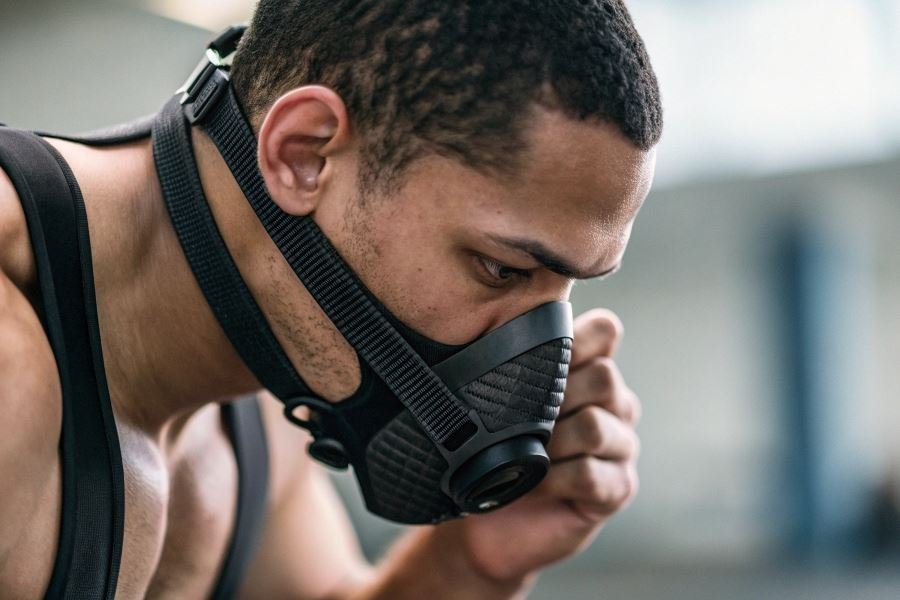
Ever watched an Olympic athlete train at high altitude, then dominate at sea level? That’s the edge training masks aim to deliver—right in your neighborhood. These increasingly popular devices are transforming how everyday athletes approach their workouts, creating resistance that challenges your lungs while you push your body.
Training masks simulate high-altitude conditions by restricting airflow, forcing your respiratory system to work harder during exercise. This respiratory resistance training can lead to improved lung capacity, stronger breathing muscles, and potentially better oxygen utilization—all crucial factors for athletic performance. When your body adapts to breathing efficiently under restricted conditions, regular breathing feels almost supercharged.
“The right training mask doesn’t just change how you breathe—it changes how you perform.”
For beginners selecting their first training mask, three factors deserve your attention: adjustability, comfort, and intended use. Look for masks with multiple resistance levels that allow you to progress gradually. The mask should create a proper seal without causing discomfort during movement. Consider your primary activities—runners might prefer lightweight models, while strength trainers might prioritize durability.
Remember that training masks aren’t magic devices—they’re tools that complement consistent training. Start with brief sessions at lower resistance levels, gradually increasing as your respiratory strength improves. Your body needs time to adapt to this new challenge, just like it would with any training stimulus.
Top 3 Training Masks That Elevate Your Workout Game
When you’re ready to take your cardio and endurance training to new heights, the right equipment makes all the difference. Training masks have revolutionized how athletes condition their respiratory systems, and finding the best training masks for beginner athletes doesn’t have to be overwhelming. Let’s dive into three standout options that balance functionality, comfort, and value—perfect for those just starting their respiratory training journey.
The Elevation 2.0: Customizable Resistance for Gradual Progress
The Elevation 2.0 delivers exactly what newcomers need: adjustable resistance that grows with you. This entry-level mask features six resistance settings (from 1,000 to 18,000 feet of simulated altitude), allowing you to start conservatively and increase intensity as your respiratory muscles strengthen.
Key features that make it beginner-friendly:
- Tool-free resistance adjustment system
- Anatomical sleeve that minimizes skin irritation
- Washable neoprene sleeve for hygiene maintenance
- Secure silicone gasket that prevents air leakage
What truly sets the Elevation 2.0 apart is its intuitive design. The resistance caps can be changed mid-workout without removing the entire mask—perfect for interval training where you might want to alternate between different resistance levels.
| Resistance Level | Simulated Altitude | Recommended For |
|---|---|---|
| Level 1 | 1,000 ft | First-time users |
| Level 3 | 9,000 ft | After 2-3 weeks |
| Level 6 | 18,000 ft | Advanced training |
Phantom Athletics Breathing Trainer: Comfort Meets Performance
The Phantom Athletics Breathing Trainer stands out as the most comfortable option for beginners. Weighing just 2.8 ounces, this lightweight mask virtually disappears during workouts while still delivering effective respiratory resistance.
The anatomical design conforms to facial contours without the bulkiness of traditional training masks, making it ideal for longer training sessions.
Comfort innovations include:
- Medical-grade silicone face seal
- Moisture-wicking head strap
- Expanded breathing chamber to reduce claustrophobia
- Streamlined profile that works with most headgear
Beginners particularly appreciate the Phantom’s “break-in” mode, which offers minimal resistance for the first few sessions, allowing users to acclimate to the sensation of restricted breathing before tackling more challenging settings.
FDBRO Sport Mask: Essential Features Without Breaking the Bank
Not every training journey requires premium equipment from day one. The FDBRO Sport Mask delivers core functionality at approximately $35—less than half the price of many competitors.
Budget-friendly doesn’t mean basic:
- Three resistance levels (low, medium, high)
- Durable nylon sleeve with reinforced stitching
- One-way discharge valves to release CO2 efficiently
- Universal sizing with adjustable velcro straps
While it lacks the micro-adjustments of pricier models, the FDBRO excels in simplicity. The straightforward design means less fiddling with settings and more focus on your workout. The included carrying case adds unexpected value, protecting your investment between sessions.
| Feature | FDBRO | Premium Masks |
|---|---|---|
| Resistance Levels | 3 | 6-16 |
| Materials | Nylon/Silicone | Medical-grade silicone |
| Weight | 3.2 oz | 2.8-4.5 oz |
| Price | ~$35 | $80-150 |
Each of these masks offers a solid entry point into respiratory training without overwhelming new users with unnecessary complexity or prohibitive costs. Your choice ultimately depends on which factor—adjustability, comfort, or price—matters most to your training goals.
Maximizing Results with Training Masks for Beginners
Training masks have revolutionized respiratory conditioning, but using them effectively requires more than just strapping one on and hoping for the best. Let’s dive into how beginners can maximize their training mask experience while staying safe and extending their investment’s lifespan.
Proper usage techniques that won’t leave you gasping
The first rule of Training Mask usage: start conservatively. Begin with the lowest resistance setting for your first 2-3 sessions. Your body needs time to adapt to restricted breathing patterns, and rushing this process can lead to dizziness or even fainting.
Proper positioning is crucial—the mask should create a tight seal around your mouth and nose without causing discomfort. If you can slip two fingers under the edge, it’s too loose; if it’s leaving deep marks, it’s too tight.
The difference between effective training and potential injury often comes down to proper mask fitting and resistance selection.
Safety guidelines that shouldn’t be ignored:
- Never use during high-intensity interval training when first starting
- Remove immediately if experiencing severe dizziness or chest pain
- Avoid wearing for more than 20 minutes in your first month
- Stay hydrated—restricted breathing increases water loss
- Skip mask training if you have respiratory conditions or heart issues
Progressive training protocols that build endurance
The key to successful mask training lies in progressive overload—gradually increasing challenge as your respiratory muscles adapt.
Week 1-2: Wear the mask during walking or light jogging for 10-15 minutes at the lowest resistance setting.
Week 3-4: Increase duration to 20 minutes and consider bumping resistance up one level if comfortable.
Week 5-8: Incorporate the mask into strength training with moderate resistance during rest periods between sets.
Week 9+: Begin using during moderate cardio sessions, gradually increasing resistance every 2-3 weeks.
A sample beginner progression table:
| Week | Duration | Resistance Level | Activity Type |
|---|---|---|---|
| 1-2 | 10-15 min | Lowest (1-2) | Walking, light jogging |
| 3-4 | 15-20 min | Low (2-3) | Jogging, cycling |
| 5-6 | 20-25 min | Medium (3-4) | Strength rest periods |
| 7-8 | 25-30 min | Medium (3-4) | Mixed cardio |
| 9+ | 30+ min | Adjustable | Sport-specific training |
Maintenance tips that save you money
Training masks aren’t cheap, and proper care significantly extends their lifespan. After each use, disassemble your Elevation Mask or similar product according to manufacturer instructions.
Hand wash with mild soap and warm water—never use alcohol-based cleaners as they break down the silicone and neoprene components. Allow to air dry completely before reassembly to prevent mold growth.
Inspect valves weekly for debris or damage. These small components control airflow and are critical to proper function. Most manufacturers sell replacement valves separately, which is much cheaper than replacing the entire mask.
Store your mask in the provided case or a breathable bag away from direct sunlight. UV exposure degrades materials faster than almost anything else.
For extended longevity:
- Rotate between two masks if training frequently
- Replace head straps annually (they lose elasticity)
- Clean filters monthly for models with replaceable filtration
- Apply silicone-safe conditioner to face seals quarterly
With proper technique, progressive training, and diligent maintenance, your training mask will become an invaluable tool in your athletic development—not just another piece of equipment gathering dust in your gym bag.