
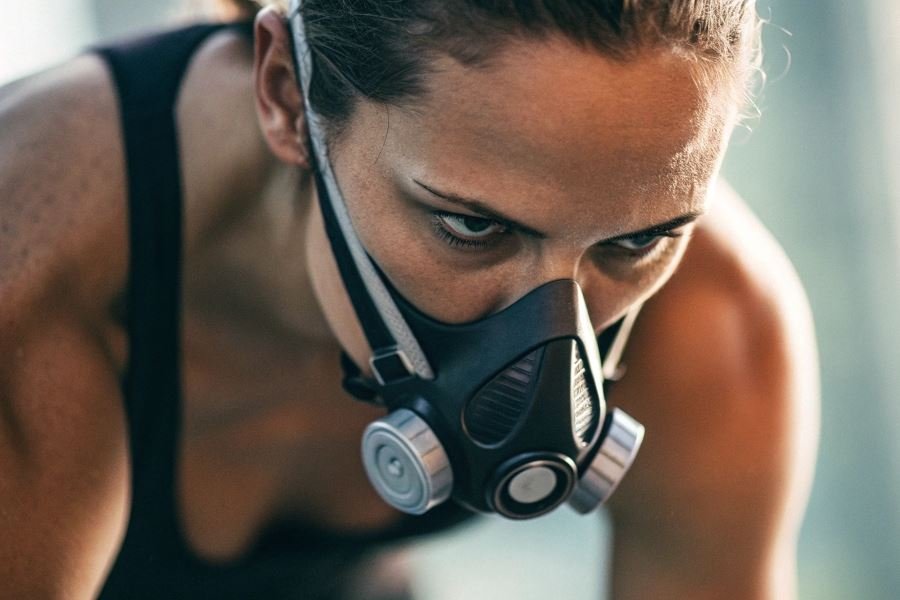
Ever watched an elite athlete training with what looks like a futuristic Bane mask strapped to their face? Those aren’t fashion statements—they’re sophisticated training tools designed to push respiratory limits and potentially elevate performance to new heights.
Training masks (sometimes called elevation or altitude masks) are specialized breathing devices that deliberately restrict airflow during exercise. By creating controlled breathing resistance, these masks make your respiratory muscles work harder—similar to how adding weights increases difficulty for your biceps. The fundamental principle? Challenge your breathing system now to strengthen it for future performance.
The magic happens in the adjustable resistance levels these masks offer. Most models feature settings ranging from 1 (minimal resistance) to 6+ (extreme restriction), allowing athletes to progressively increase breathing difficulty as their respiratory strength improves. Think of it as a “progressive overload” principle, but for your diaphragm and intercostal muscles.
“The right resistance level should challenge you without compromising form or causing distress. Start low, progress slow.”
The scientific foundation for these masks draws from altitude training principles, where reduced oxygen availability forces physiological adaptations. While traditional altitude training requires traveling to high elevations, these masks attempt to simulate aspects of that environment. Research suggests regular training with respiratory resistance may improve respiratory muscle strength, endurance, and potentially oxygen utilization—though it’s important to note they don’t actually reduce oxygen percentage like true altitude does.
Whether you’re a weekend warrior or competitive athlete, understanding how these masks work is your first step toward breathing-enhanced training.
Training Mask Resistance Levels: The Ultimate Breakdown
Entry-level masks: Your gateway to altitude training
For those just dipping their toes into respiratory training, entry-level masks with 1-3 resistance settings offer the perfect introduction. These beginner-friendly options typically feature simple valve systems that restrict airflow just enough to challenge your lungs without overwhelming them.
The Training Mask 2.0 pioneered this category with its three basic settings, making the comparison of training masks of different resistance levels accessible to newcomers. These entry-level models typically cost between $30-60 and use lightweight neoprene for comfort during shorter workouts.
What makes these masks appealing is their simplicity—most use color-coded valves that you can adjust without removing the mask. Perfect for HIIT sessions or moderate cardio, they create enough resistance to feel the burn without gasping for air.
Intermediate resistance: When you’re ready for more
Step up your game with intermediate masks featuring 4-6 resistance settings. These mid-range options offer significantly more customization, allowing you to progressively increase difficulty as your respiratory muscles strengthen.
The Elevation Training Mask 3.0 exemplifies this category with its six distinct settings that simulate altitudes from 3,000 to 18,000 feet. Priced between $70-100, these masks incorporate more durable materials like silicone face seals and reinforced valve housings.
What separates intermediate masks from their entry-level counterparts is precision. Rather than broad resistance jumps, these masks offer incremental changes—perfect for methodical training programs. Many feature digital apps that track breathing patterns and suggest optimal resistance levels based on your performance data.
Advanced masks: Professional-grade resistance
For serious athletes and respiratory training enthusiasts, advanced masks with 7+ resistance settings represent the pinnacle of breathing restriction technology. These sophisticated devices offer micro-adjustments that can target specific aspects of respiratory function.
The Phantom Athletics Training Mask stands at the forefront with its 10+ resistance levels and customizable airflow patterns. These premium options typically range from $120-200 and utilize medical-grade materials that withstand intense daily use.
Advanced masks often incorporate dual-intake systems allowing separate resistance settings for inhalation and exhalation—a game-changer for specialized training protocols. Many include pressure sensors that provide real-time feedback on breathing efficiency.
Material quality across the spectrum
The correlation between resistance levels and material quality is striking:
| Resistance Level | Primary Materials | Expected Durability | Maintenance Needs |
|---|---|---|---|
| Entry (1-3) | Neoprene, basic rubber | 6-12 months | Monthly cleaning |
| Intermediate (4-6) | Silicone, reinforced plastics | 1-2 years | Bi-weekly valve checks |
| Advanced (7+) | Medical-grade silicone, aircraft aluminum | 2-5+ years | Weekly detailed cleaning |
Entry-level masks typically use washable neoprene that’s comfortable but prone to stretching over time. The valve systems often use basic plastics that may crack after repeated adjustments.
Intermediate options incorporate more resilient materials like silicone face seals that maintain their shape through hundreds of workouts. Their resistance mechanisms feature reinforced components that withstand frequent adjustments.
Advanced masks represent a quantum leap in durability, using materials found in professional medical equipment. Many feature replaceable components, effectively making them lifetime investments with proper maintenance.
The difference isn’t just in resistance levels—it’s in the engineering precision that allows advanced masks to maintain consistent airflow restriction even during the most demanding workouts.
Finding Your Perfect Training Mask Match
Training masks have revolutionized respiratory muscle training, but choosing the right resistance level can make or break your training experience. Let’s dive into how to match these powerful tools to your specific fitness journey.
Aligning Resistance With Your Goals
Your fitness objectives should drive your mask selection. Different resistance levels serve distinct purposes:
-
Level 1-2 (Light Resistance): Perfect for beginners and endurance athletes focusing on longer training sessions. These masks typically restrict airflow by 20-30%, challenging your respiratory system without overwhelming it.
-
Level 3-4 (Medium Resistance): Ideal for intermediate athletes looking to boost performance. These masks create approximately 40-60% airflow restriction, significantly increasing respiratory muscle engagement during workouts.
-
Level 5+ (High Resistance): Designed for advanced athletes and specialized training phases. With 70%+ airflow restriction, these masks deliver maximum respiratory challenge.
Remember that resistance isn’t just about difficulty—it’s about specificity. Sprinters might benefit from higher resistance for explosive power, while marathon runners often see better results with moderate resistance used consistently.
Smart Progression Pathways
Respiratory training follows the same principles as strength training—progressive overload drives adaptation. Here’s a time-tested progression strategy:
-
Foundation Phase (4-6 weeks): Begin with the lowest resistance setting, focusing on proper breathing mechanics during moderate exercise.
-
Adaptation Phase (6-8 weeks): Increase resistance by one level while maintaining the same workout intensity and duration.
-
Performance Phase: Alternate between resistance levels based on workout intensity—lower resistance for high-intensity sessions, higher resistance for moderate work.
The most common mistake athletes make is rushing progression. Your respiratory muscles need time to adapt just like any other muscle group.
This table outlines a sample 12-week progression plan:
| Week | Resistance Level | Training Duration | Training Frequency |
|---|---|---|---|
| 1-3 | Level 1 | 15-20 minutes | 2-3x weekly |
| 4-6 | Level 2 | 20-30 minutes | 3-4x weekly |
| 7-9 | Level 3 | 30-40 minutes | 3-4x weekly |
| 10-12 | Level 3-4 | 30-45 minutes | 4-5x weekly |
Top Training Masks For Every Level
After testing dozens of models, these three masks stand out for their quality, adjustability, and performance:
For Beginners: Training Mask 3.0
The Training Mask 3.0 offers six resistance settings, allowing true beginners to start at minimal resistance and gradually increase as their respiratory strength improves. Its comfortable neoprene construction and washable design make it ideal for those new to respiratory training.
For Intermediate Athletes: Elevation Training Mask 2.0
With its precision resistance valves and durable construction, the Elevation 2.0 delivers consistent airflow restriction across multiple intensity levels. The mask’s quick-adjust system allows mid-workout resistance changes—perfect for interval training protocols.
For Advanced Athletes: Phantom Athletics Training Mask
The Phantom offers the most sophisticated resistance system on the market, with micro-adjustable valves that can be fine-tuned to create specific training stimuli. Its anatomical design prevents leakage even during maximum exertion, ensuring every breath delivers the intended training effect.
Each of these masks represents the best-in-class option for its target user, balancing comfort, durability, and performance. Your optimal choice ultimately depends on your current fitness level, training goals, and how quickly your respiratory muscles adapt to the challenge.