
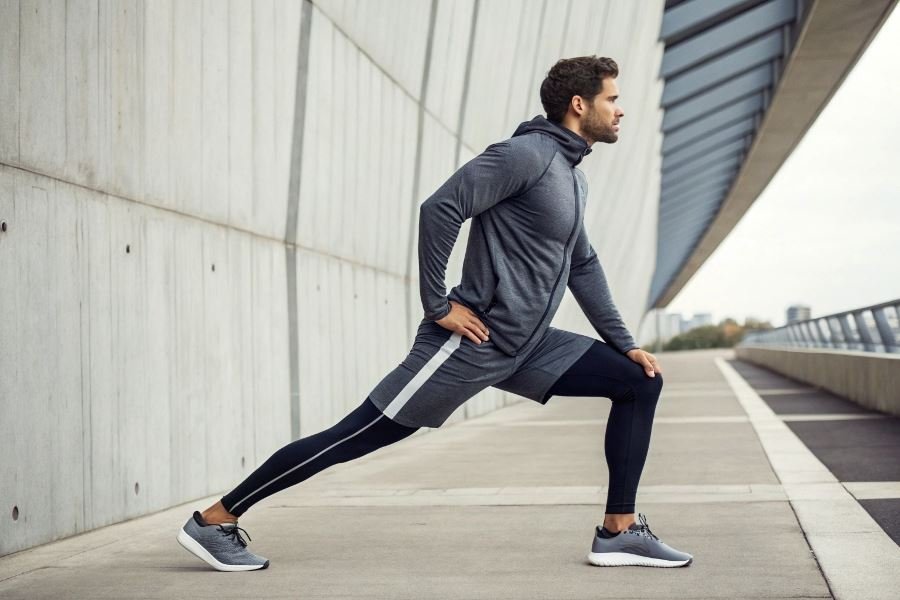
Ever stood on a mountain peak, completely dry in a downpour, or hiked through snow while feeling toasty warm? That’s not magic—it’s decades of textile innovation at work. The gear keeping outdoor enthusiasts comfortable in extreme conditions represents one of the most fascinating technological evolutions in sports equipment history.
When Eddie Bauer patented the first quilted down jacket in 1940 after nearly freezing to death on a fishing trip, he couldn’t have imagined the sophisticated insulation technologies we’d have by 2025. Similarly, when Bob Gore accidentally stretched PTFE in 1969, creating what would become GORE-TEX®, he revolutionized how we think about waterproof breathability.
The battle between membrane and down technologies centers on five critical performance factors: warmth-to-weight ratio, water resistance, breathability, packability, and durability. Down excels with unmatched warmth-to-weight and compression, while membranes offer superior weather protection and versatility across conditions.
The technical landscape
Today’s market features heritage brands like Patagonia and The North Face alongside technical specialists such as Arc’teryx and Mammut. The innovation race has intensified with developments like hydrophobic down treatments from Rab and Columbia’s OutDry Extreme technology that eliminates the traditional outer fabric entirely.
What’s particularly fascinating is how these technologies increasingly complement rather than compete with each other—many premium pieces now feature both waterproof membranes and strategic down insulation, offering the best of both worlds for those willing to invest in peak performance.
Battle of the Elements: Membrane vs Down Performance
Weather Warriors Face Off
When the skies open up and winds howl, your gear becomes your fortress. Membrane fabrics like GORE-TEX and eVent create an impenetrable barrier against precipitation while allowing sweat vapor to escape. These technical wonders feature microscopic pores—approximately 20,000 times smaller than a water droplet yet 700 times larger than a water vapor molecule. The result? Complete waterproofing with breathability.
Down insulation, nature’s original thermal technology, offers minimal inherent weather protection. When conducting a thorough comparison of membrane and down sports gear, the difference becomes starkly apparent during wet conditions. Premium down garments now often incorporate DWR (Durable Water Repellent) treatments and water-resistant shells, but they remain fundamentally vulnerable to sustained moisture exposure.
Thermal Efficiency: Nature vs Science
Down’s thermal efficiency remains unmatched in dry conditions. Measured in fill power (600-900), higher numbers indicate superior insulation per ounce. A 800-fill down jacket creates countless tiny air pockets that trap body heat with remarkable efficiency.
Membrane insulation technologies like PrimaLoft and Thinsulate deliver:
- Consistent warmth even when wet
- Faster drying times
- More predictable performance
The thermal advantage shifts dramatically in humid or rainy environments, where down can lose up to 80% of its insulating properties when saturated.
Breathability Battle
| Feature | Membrane | Down |
|---|---|---|
| Active Ventilation | High (10,000-25,000g/m²/24hrs) | Moderate |
| Moisture Management | Active wicking | Passive absorption |
| Comfort During Exertion | Maintains performance | Can overheat |
Membrane fabrics actively manage moisture through engineered systems. The latest The North Face FUTURELIGHT technology uses nanospinning to create air-permeable membranes with unprecedented breathability while maintaining waterproofing.
Down creates a breathability paradox—its exceptional warmth often causes overheating during high-output activities, yet it lacks active moisture transport mechanisms. Modern hybrid designs from Patagonia strategically place membrane panels in high-sweat zones while using down in core areas requiring maximum insulation.
Weight-to-Warmth: The Ultimate Metric
The efficiency equation matters most when every ounce counts:
Down dominance: A premium 850-fill down jacket providing comfort at 20°F might weigh just 11 ounces, while a synthetic membrane alternative offering similar warmth typically weighs 15-18 ounces.
However, this advantage disappears in challenging conditions:
- In dry, cold environments: Down provides 30-40% better warmth-to-weight ratio
- In wet, variable conditions: Membrane insulation maintains performance while down becomes compromised
Arc’teryx revolutionized this balance with their Down Composite Mapping technology, strategically placing synthetic insulation in moisture-prone areas while using down where it performs best.
The Performance Verdict
The ultimate winner depends entirely on your environment and activity level. For alpine expeditions with predictable weather, down’s thermal efficiency and packability remain unbeatable. For variable conditions and high-output activities, membrane technologies provide reliability and consistent performance across environments.
The most advanced gear in 2025 increasingly blends both technologies, leveraging their complementary strengths while minimizing their individual weaknesses.
Gear Up Right: Maximizing Your Outdoor Performance
Choose your weapon wisely
When facing Mother Nature’s mood swings, your activity dictates your armor. For high-intensity winter sports like backcountry skiing or snowboarding, the breathability of membrane shells paired with strategic down insulation works wonders. The North Face Summit Series exemplifies this balance—membrane exterior that sheds snow while allowing sweat vapor to escape, with targeted down panels where you need warmth without bulk.
For multi-day backpacking adventures, prioritize versatility. A lightweight membrane shell that packs small serves as your weather shield, while a packable down midlayer provides camp comfort. The temperature swings between moving and resting demand this flexibility.
Urban commuters and casual outdoor enthusiasts benefit from membrane-dominant designs with modest insulation. These pieces handle unpredictable weather without overheating during indoor transitions.
Performance match: Your gear should mirror your exertion level. High output = more breathability. Static activities = prioritize insulation.
Extending your gear’s lifespan
Membrane fabrics and down insulation demand different care, but both reward proper maintenance with years of reliable service.
Membrane maintenance:
- Wash regularly with technical cleaner (not detergent)
- Reapply DWR treatment when water stops beading
- Avoid fabric softeners and dry cleaning
- Air dry or tumble on low heat
Down care:
- Use down-specific wash
- Dry thoroughly with tennis balls to restore loft
- Store uncompressed in dry conditions
- Spot clean when possible to avoid full washing
The average quality membrane jacket lasts 5-7 years with proper care, while premium down pieces can serve faithfully for a decade or more. The investment pays dividends in performance longevity.
Hybrid heroes combining technologies
The outdoor industry has developed impressive solutions that marry membrane protection with down warmth:
| Brand | Model | Technology | Best For |
|---|---|---|---|
| Arc’teryx | Cerium LT Hybrid | GORE-TEX + 850-fill down | Alpine climbing |
| Patagonia | Micro Puff Storm | H2No membrane + PlumaFill | Wet weather adventures |
| Mountain Hardwear | Ghost Shadow Hoody | Pertex Quantum + 800-fill down | Ultralight backcountry |
These hybrids place water-resistant synthetic insulation in moisture-prone areas (shoulders, hood, cuffs) while using premium down in core zones where warmth-to-weight ratio matters most.
Smart spending for maximum return
Quality outdoor gear represents significant investment, but the cost-benefit analysis favors thoughtful purchases. A $400 technical membrane shell might seem steep until you calculate its $80/year cost over five seasons—less than many monthly streaming subscriptions.
Down insulation commands premium prices but delivers unmatched warmth-to-weight efficiency. The performance gap between budget (150)andpremium(350) down jackets is substantial and measurable in comfort and longevity.
The wisest approach? Invest in versatile pieces that serve multiple activities. A quality membrane shell works across seasons with appropriate layering, while a 700+ fill-power down midlayer becomes your three-season companion. This strategic approach delivers approximately 30% better value than purchasing activity-specific gear for each pursuit.
Remember that proper care extends this value proposition further. The $20 technical wash and reproofing kit that extends your jacket’s life by two seasons represents an exceptional return on investment.