
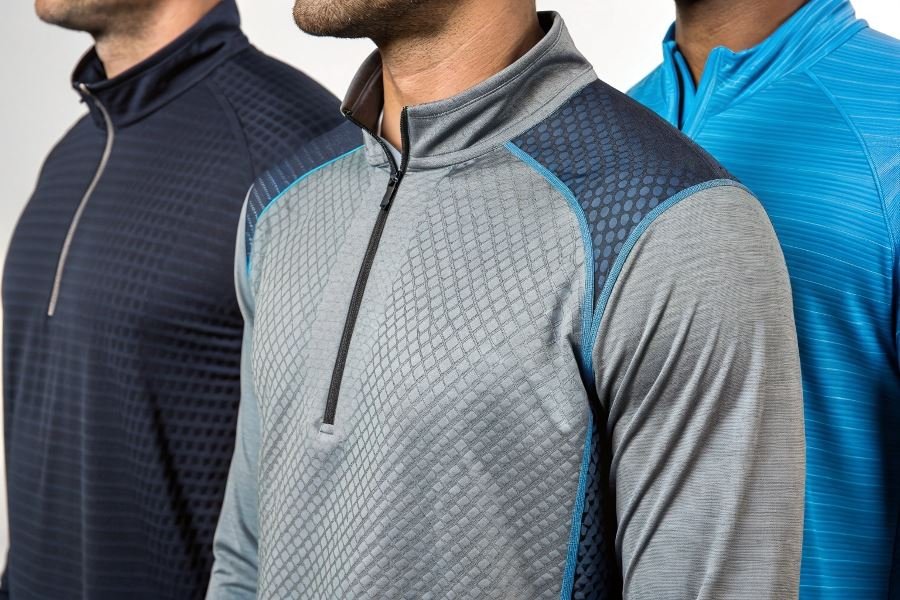
Ever watched an elite athlete tugging at their shirt mid-game? That’s not just discomfort—it’s performance drain happening in real time. The right sports t-shirt fit isn’t just about looking good; it’s the difference between personal records and missed opportunities.
When your body moves, your shirt should move with it—not against it. A properly sized sports t-shirt becomes virtually invisible during activity, while the wrong size creates friction, distraction, and even potential injury. Think of your sports shirt as equipment, not just clothing.
“The difference between good and great often comes down to the details most people ignore.” – Performance coach wisdom that applies perfectly to athletic wear.
Finding that perfect fit presents genuine challenges for men. Shoulders too tight while the midsection billows? Arms restricted when reaching overhead? These aren’t just annoyances—they’re performance limiters. The sizing puzzle gets even more complex when you factor in brand variations that can make you a medium in one shirt and an XL in another.
Different sports demand different fits, too. Basketball players typically prefer looser cuts for range of motion, while cyclists need more form-fitting options to reduce drag. Even within the same sport, training shirts often fit differently than game-day gear.
Brand inconsistency remains the biggest sizing headache. Nike’s medium bears little resemblance to Under Armour’s, while specialty brands like Lululemon introduce entirely different sizing philosophies. This isn’t just confusing—it’s a genuine obstacle to finding gear that performs when you need it most.
Get the Perfect Fit: Essential Measurements for Men’s Sports T-Shirts
Finding the right size for your athletic wear shouldn’t feel like solving a complex equation. When performance matters, proper sizing becomes your secret weapon. Let’s dive into the measurements that make all the difference between a shirt that holds you back and one that helps you excel.
The foundation of selecting the perfect men’s sports t-shirt begins with accurate measurements. How to choose the size of a men’s sports t-shirt depends primarily on three critical areas: chest dimensions, shoulder and sleeve proportions, and torso length. Each plays a vital role in ensuring your gear works with you, not against you.
Chest Measurement: Your Sizing Cornerstone
Your chest measurement serves as the primary reference point for most sizing charts. Here’s how to get it right:
- Stand naturally with arms slightly away from your sides
- Wrap a measuring tape around the fullest part of your chest
- Keep the tape parallel to the floor and snug (but not tight)
- Exhale normally before taking the final reading
Pro tip: Add about half an inch of breathing room to your measurement for high-intensity activities that require more chest expansion.
| Activity Type | Recommended Chest Allowance |
|---|---|
| Running/Cardio | +0.5-1 inch |
| Weight Training | +0.5-1.5 inches |
| Casual Wear | +1-2 inches |
Shoulder and Sleeve Dimensions for Unrestricted Movement
Nothing ruins a workout faster than sleeves that bind or shoulders that restrict your range of motion.
For shoulder width, measure from the outer edge of one shoulder to the other, crossing the highest point of your back. This measurement ensures the seams sit properly on your shoulder points rather than drooping down your arms or pinching too close to your neck.
Sleeve length matters even in short-sleeve shirts. The ideal sleeve:
- Ends mid-bicep for most athletic builds
- Provides enough room to flex without binding
- Features slight stretch in the fabric for dynamic movements
Remember that compression shirts intentionally fit differently, with specific benefits for muscle support and recovery.
Torso Length: The Overlooked Game-Changer
A shirt that rides up during burpees or comes untucked during your tennis serve can destroy your focus. Proper torso length measurement ensures this never happens:
- Stand straight with shoulders relaxed
- Measure from the highest point of your shoulder down to where you want the shirt to end
- For athletic activities, add 1-2 inches to prevent riding up
Length considerations by activity:
- Running/Cardio: Slightly longer to prevent riding up
- Yoga/Stretching: Extra length for inverted positions
- Team Sports: Standard length with enough to tuck in if required
The difference between a good workout and a great one often comes down to the details. Taking these essential measurements before selecting your next sports t-shirt will ensure nothing stands between you and your personal best—except perhaps your own limits, which are meant to be broken anyway.
Mastering the Perfect Fit for Men’s Sports Tees
Finding that sweet spot in sports t-shirt sizing can transform your workout experience from distracted discomfort to pure performance focus. Let’s dive into the nuances that make all the difference when selecting your next athletic tee.
Fabric Matters More Than You Think
The material of your sports t-shirt dramatically influences how it fits and performs. Different fabrics behave uniquely against your body:
Moisture-wicking synthetics like polyester and nylon typically offer less stretch when dry but maintain their shape better during intense activity. These performance fabrics often fit more snugly than their measurements suggest, so if you’re between sizes, consider going up.
Cotton blends expand with moisture and movement, potentially causing a perfectly-fitted shirt to become baggy and heavy during a sweaty session. For cotton-dominant shirts, starting with a slightly tighter fit often pays off.
Four-way stretch fabrics containing elastane or spandex provide exceptional freedom of movement while maintaining shape. These performance materials allow for a more form-fitting choice without restriction.
The difference between a good workout and a great one often comes down to how your gear moves with you, not against you.
Sport-Specific Sizing Wisdom
Your activity of choice should directly influence your sizing decision:
Running and cardio training benefit from closer-fitting shirts that won’t bunch or create drag. Look for athletic or slim fits that stay put during high-impact movement.
Strength training and weightlifting often demand more room across the shoulders and chest. Consider sizing up if you have a muscular build or prefer unrestricted overhead movements.
Team sports like basketball or soccer typically work best with moisture-wicking, slightly looser fits that allow for dynamic movement without excess fabric that opponents could grab.
When to Adjust Your Size
Personal preferences and specific scenarios might call for sizing adjustments:
| When to Size Up | When to Size Down |
|---|---|
| For layering in cold weather | For compression benefits |
| If you have a broader chest/shoulders | For aerodynamic advantages |
| For recovery days/relaxed training | For technical sports requiring precision |
| If the brand runs notoriously small | When the fabric has significant stretch |
Activity intensity should influence your choice too. Higher-intensity workouts generally benefit from closer-fitting gear that won’t shift or create friction, while moderate activities allow more flexibility in sizing.
Base layers and compression wear should fit snugly without constriction. If you’re feeling pinched at the armpits or restricted across the chest, size up while keeping the compression benefits.
Seasonal considerations matter tremendously. Summer training might call for a looser fit to maximize airflow, while winter sessions benefit from closer-fitting base layers that trap heat efficiently.
Remember that the best-fitting sports shirt disappears from your awareness during activity. If you’re constantly adjusting or even thinking about your shirt during a workout, it’s not the right size—regardless of what the label says. Trust your movement experience over the size chart when making the final call.