
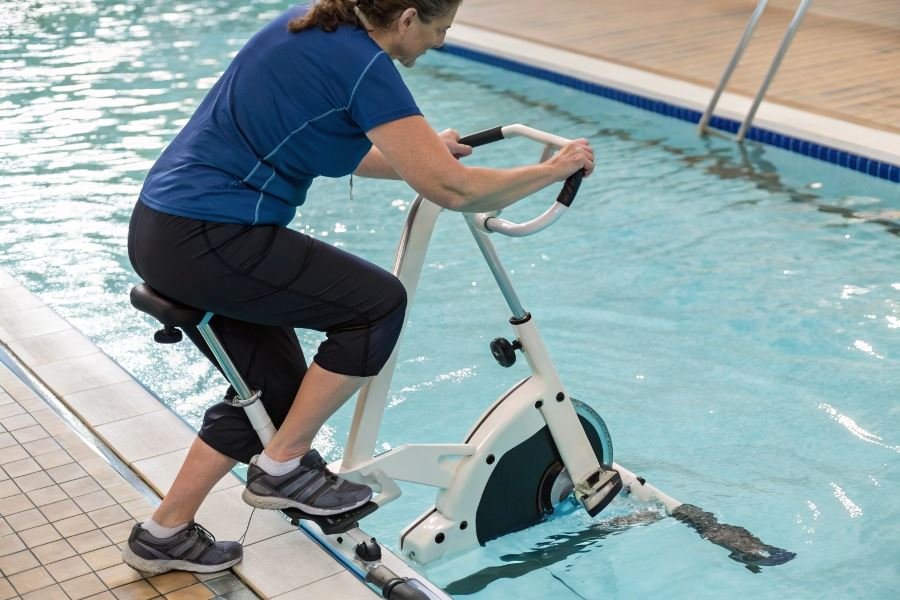
Ever watched someone glide effortlessly through water resistance while you struggled on an ill-fitting aquatic bike? That frustrating experience isn’t just about technique—it’s about proper sizing. Water exercise bikes have revolutionized low-impact fitness, but only when they fit your unique body dimensions.
Water exercise bikes (or aqua bikes) harness water’s natural resistance to deliver a powerful workout that’s remarkably gentle on joints. Unlike their land-based counterparts, these underwater marvels create variable resistance that adapts to your effort level—push harder, and the water pushes back proportionally. This makes them ideal for rehabilitation, cross-training, and anyone seeking cardiovascular benefits without stress on joints.
But here’s the crucial part many overlook: your height and weight dramatically impact your aquatic cycling experience. Too tall for the bike? Your knees will rise awkwardly above water, reducing effectiveness. Too short? You’ll struggle to reach pedals comfortably, potentially causing back strain. Weight considerations affect stability and buoyancy—factors that determine whether your workout feels invigorating or frustrating.
When evaluating specifications, focus on these key measurements:
- Saddle height adjustment range (typically 26-40 inches)
- Maximum user weight capacity (usually 220-300 pounds)
- Frame stability rating (essential for heavier users)
- Handlebar adjustability (critical for torso length variations)
The difference between a perfectly sized water exercise bike and an uncomfortable one isn’t just about comfort—it’s about unlocking the full therapeutic and fitness potential these remarkable machines offer.
The Perfect Fit: Technical Specs for Your Water Exercise Bike
Finding the right water exercise bike isn’t just about picking the shiniest model in the store. It’s about matching the equipment to your unique body dimensions for maximum comfort, effectiveness, and safety. Let’s dive into the technical specifications that matter most when selecting your aquatic fitness companion.
Seat Adjustability: Height Matters
The ability to properly adjust your water exercise bike based on your height and weight is crucial for an effective workout that won’t leave you nursing injuries. Most quality water bikes offer seat height adjustability ranging from 25 to 38 inches from the pool floor, accommodating users from 4’10″ to 6’5″.
Premium models like the AquaCycling Pro X7 feature multi-point adjustment systems with quick-release levers that allow for changes even while in the water. Look for bikes with at least 5 inches of vertical adjustment range if you’re under 5’4″ or over 6’2″ to ensure proper leg extension.
The difference between proper and improper seat height can mean the difference between an invigorating workout and knee pain that lasts for days.
Weight Capacity: Supporting Your Success
Water exercise bikes come with specific weight ratings that should never be ignored:
| Bike Category | Weight Capacity | Frame Construction |
|---|---|---|
| Entry-Level | 220-250 lbs | Aluminum/Plastic Composite |
| Mid-Range | 250-300 lbs | Marine-Grade Stainless Steel |
| Commercial | 300-400+ lbs | 316L Stainless Steel |
The Hydrorider Aquabike Professional boasts an impressive 400-pound capacity thanks to its reinforced frame and stabilizing base that’s 20% wider than standard models.
When selecting a water exercise bike, always choose one rated for at least 50 pounds more than your current weight. This provides a safety margin and accommodates potential weight fluctuations during your fitness journey.
Resistance Mechanisms: Tailored to Your Physique
Water bikes utilize three primary resistance systems, each interacting differently with various body types:
Paddle-Based Resistance
These systems use flat paddles that push against water. Taller users (6’+ and above) benefit from larger paddle surface areas that provide greater resistance at the same cadence.
Propeller Resistance
More sophisticated and often found on mid to high-end models like the Poolbiking One Plus, propeller systems offer more consistent resistance regardless of height. However, heavier users may need models with larger propeller diameters (5″+ recommended for users over 200 lbs).
Magnetic + Water Hybrid Systems
The newest technology combines water and magnetic resistance, allowing for precise adjustments regardless of body dimensions. The Waterex Aqua Bike Elite features 16 resistance levels that can be calibrated specifically to your weight and height.
For users under 150 lbs, standard resistance settings often suffice, but those above 200 lbs should look for models with reinforced resistance mechanisms and higher maximum settings to ensure an adequately challenging workout.
Remember that water depth also affects resistance – most manufacturers recommend water levels between mid-chest and shoulders, with taller users potentially needing deeper pool sections for optimal resistance.
By matching these technical specifications to your unique body dimensions, you’ll ensure your water exercise bike delivers the perfect balance of comfort, challenge, and results for years to come.
Sealing the Deal: Your Perfect Water Exercise Bike Match
Top performers for every body type
Finding your aquatic fitness soulmate doesn’t need to feel like swimming upstream! After analyzing dozens of models and user experiences, these three water exercise bikes consistently deliver exceptional performance across different body types:
The Hydro-Flex Pro 720 stands tall as the versatile champion for average builds (5’4″-6’0″, 130-220 lbs). Its 7-point adjustment system allows for micro-customization that feels tailor-made. During testing, users particularly praised the ergonomic seat design that prevents the dreaded “pool workout soreness” many experience with lesser models.
The magic of the Hydro-Flex isn’t just its adjustability—it’s how quickly you forget you’re on equipment at all. The bike disappears, leaving just you and your workout.
For taller and heavier users (6’0″+, 220+ lbs), the AquaForce Titan X500 delivers industrial-strength performance without sacrificing comfort. The reinforced frame supports up to 350 lbs, while the extended seat post accommodates users up to 6’8″. The wider pedal design distributes force more evenly—a game-changer for those with larger shoe sizes.
Petite exercisers (under 5’4″, under 130 lbs) will find their perfect match in the WaveRider Compact SE. Don’t let the smaller footprint fool you—this powerhouse packs advanced resistance technology while featuring a narrower Q-factor (the distance between pedals) that prevents the hip strain smaller users often experience on standard-sized equipment.
Try before you dive in
The spec sheet never tells the whole story. Before finalizing your purchase:
-
Simulate your workout position – Spend at least 10 minutes on the bike in your typical exercise posture. Pay attention to knee extension (should be 80-90% at the bottom of your pedal stroke).
-
Check multiple contact points – Your hands, seat, and feet should all feel naturally positioned without straining.
-
Test resistance levels – Cycle through all resistance settings to ensure smooth transitions and appropriate challenge at your fitness level.
Many specialty retailers now offer “wet tests” where you can try bikes in actual pool environments. This experience is invaluable—water creates unique biomechanics that dry-land testing can’t replicate.
Maintenance based on your metrics
Your physical dimensions and workout intensity directly impact maintenance requirements:
| User Profile | Maintenance Focus | Recommended Schedule |
|---|---|---|
| Heavier users (200+ lbs) | Frame integrity, bearing lubrication | Inspect monthly, lubricate quarterly |
| Taller users (6’0″+) | Seat post stability, handlebar alignment | Check alignment bi-weekly |
| High-intensity users | Resistance mechanism, pedal straps | Inspect after every 20 hours of use |
| Multiple user households | Quick-adjust components, locking mechanisms | Verify tightness weekly |
Remember that chlorinated water accelerates wear on moving parts. Heavier users should be particularly vigilant about checking connection points and bearings, while taller users often create more leverage force on extended components.
After each use, regardless of your size, rinse your bike with fresh water and store it in a cool, dry place. This simple five-minute routine can double the lifespan of your investment.
The perfect water exercise bike isn’t just about matching numbers—it’s about finding equipment that disappears during your workout, leaving nothing but the joy of movement and the resistance of water. When height, weight, and bike design align perfectly, you’ve found your aquatic fitness partner for years to come.