
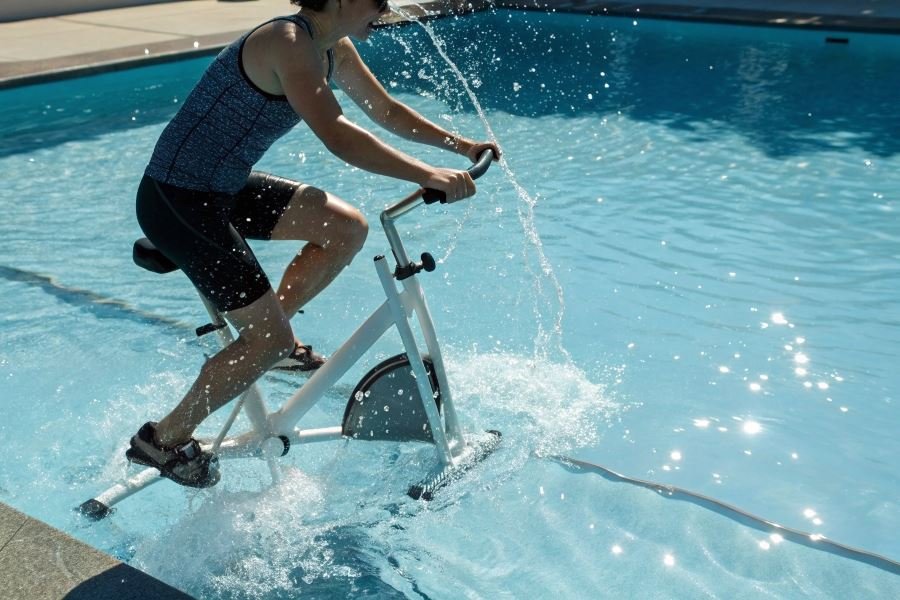
Ever wondered why Olympic swimmers have those enviably lean physiques? It’s all about water resistance—and now you can harness that same power without doing a single lap. Water exercise bikes are transforming weight loss journeys across fitness levels, combining the joint-friendly benefits of aquatic workouts with the calorie-torching potential of cycling.
Unlike traditional stationary bikes, aqua cycles operate against water’s natural resistance—creating a workout that’s simultaneously gentler on joints and significantly more challenging for muscles. The science is fascinating: water provides 12-14 times more resistance than air, turning every pedal stroke into a full-body engagement that activates more muscle fibers and accelerates calorie burn.
What makes these underwater powerhouses so effective? It’s the perfect storm of physics and physiology. As you pedal, water creates multidirectional resistance that forces your core, arms, and legs to stabilize and push through the natural drag. This 360-degree resistance means you’re burning approximately 800 calories per hour during intense sessions—nearly double what you’d achieve on land!
The beauty of water exercise bikes lies in their adaptability. Beginners benefit from the buoyancy effect that reduces impact while still delivering results, while advanced athletes can increase speed or add specialized water dumbbells to intensify workouts. The water’s natural cooling effect also allows for longer, more comfortable training sessions, making it easier to maintain the consistency that weight loss demands.
Critical Features That Define Effective Aquatic Bikes
When diving into the world of aquatic fitness equipment, understanding what makes a water exercise bike effective for weight loss can transform your results. The right features not only enhance your workout experience but directly impact your calorie-burning potential.
Water exercise bikes for weight loss: what to pay attention to involves examining three critical components that separate mediocre equipment from truly effective fitness tools. These elements—resistance mechanisms, ergonomic design, and structural stability—form the foundation of any successful aquatic weight loss program. Let’s explore what makes these features so crucial for anyone serious about shedding pounds in the pool.
Resistance Systems That Maximize Calorie Burn
The heart of any water exercise bike is its resistance mechanism. Unlike traditional stationary bikes, aquatic models utilize water’s natural properties to create resistance.
Adjustable paddle wheels offer the most versatile workout experience. The larger the paddle surface area, the greater the resistance. Top-tier models from brands like Hydrorider feature multi-position resistance settings that allow users to increase intensity as fitness improves.
Variable resistance systems enable progressive training—essential for continuous weight loss results.
Some advanced models incorporate:
- Magnetic resistance supplements (rare but effective)
- Adjustable water flow directors
- Multi-angle paddle technology
| Resistance Type | Calorie Burn Potential | Adjustability |
|---|---|---|
| Fixed Paddles | Moderate | Limited |
| Adjustable Paddles | High | Excellent |
| Hybrid Systems | Very High | Comprehensive |
Ergonomic Design For Extended Fat-Burning Sessions
Weight loss requires consistency, and comfort directly impacts workout duration. The ergonomic considerations of water bikes dramatically affect how long users can maintain effective exercise intensity.
Fully adjustable seating positions accommodate different body types and allow for proper alignment. The distance between seat and pedals should offer multiple settings to prevent knee strain during extended sessions.
Look for handlebars with at least three grip positions to prevent upper body fatigue and enable different workout styles—from upright posture for moderate intensity to racing position for maximum effort.
Premium models from AquaPhysical feature:
- Gel-cushioned seats designed for underwater comfort
- Quick-adjust mechanisms that work smoothly underwater
- Non-slip surfaces on all contact points
Stability Features For Consistent Training
Nothing derails weight loss progress faster than equipment failure or inconsistent performance. Stability factors directly impact both safety and workout effectiveness.
Commercial-grade stainless steel frames resist corrosion and provide the necessary weight to keep the bike anchored during intense pedaling. The base should feature wide, non-marking feet with suction capabilities for pool floors.
Weight capacity matters significantly—look for bikes rated at minimum 300 pounds to ensure stability regardless of your current weight loss journey stage.
The most durable models employ sealed bearing systems that prevent water infiltration and maintain smooth pedaling action even after hundreds of hours of use.
Key stability indicators include:
- Center of gravity height (lower is better)
- Base footprint (wider creates more stability)
- Weight distribution between upper and lower components
When selecting a water exercise bike specifically for weight loss goals, these technical considerations will determine not just your immediate comfort, but your long-term success in achieving sustainable results.
Maximizing Weight Loss Results with Water Exercise Bikes
Diving into the world of aquatic fitness isn’t just about showing up and pedaling—it’s about strategic training that transforms your body while being gentle on your joints. Water exercise bikes have revolutionized weight loss approaches for countless athletes and fitness enthusiasts, but knowing how to maximize your underwater cycling sessions can make the difference between modest results and dramatic transformation.
Optimal workout duration and frequency
The sweet spot for water cycling weight loss isn’t about marathon sessions—it’s about consistency and intensity. Research shows that 30-45 minute sessions produce optimal fat-burning results without overtaxing your system. The magic happens when you commit to 3-4 sessions weekly, allowing for crucial recovery while maintaining metabolic momentum.
The weight loss equation isn’t just about time spent—it’s about quality over quantity. A focused 30-minute HIIT session on your water bike can burn significantly more calories than an hour of steady-state pedaling.
For beginners, start with 20-minute sessions three times weekly, gradually increasing duration as your fitness improves. Advanced users can implement the proven 4×4 interval protocol: four minutes of high-intensity pedaling followed by four minutes of recovery, repeated four times.
Complementary exercises and training programs
Water cycling delivers exceptional results, but combining it with complementary exercises creates a comprehensive weight loss approach that targets multiple muscle groups and energy systems.
Resistance training in the water amplifies your results dramatically. Between cycling sessions, incorporate aquatic resistance exercises using water dumbbells or resistance bands to build lean muscle that increases your resting metabolic rate.
Consider this weekly program structure for maximum weight loss:
| Day | Morning | Evening |
|---|---|---|
| Monday | 30-min water cycling (intervals) | Upper body aquatic resistance |
| Tuesday | Rest or light stretching | 45-min water cycling (steady state) |
| Wednesday | Lower body aquatic resistance | 30-min water cycling (intervals) |
| Thursday | Active recovery/swimming | Rest |
| Friday | 40-min water cycling (mixed intensity) | Core aquatic exercises |
| Weekend | One longer session (45-60 min) | Rest and recovery |
Many Hydrorider and AquaPhysical bikes come with pre-programmed workouts specifically designed for weight loss, taking the guesswork out of your training plan.
Tracking progress and adjusting intensity
The difference between good results and exceptional transformation lies in meticulous tracking and strategic adjustments. Water provides natural resistance that increases with effort, making it essential to monitor your progress metrics.
Track these key indicators:
- Heart rate during and after sessions
- Perceived exertion (1-10 scale)
- Recovery time between intervals
- Weekly measurements (not just weight!)
- Energy levels throughout the day
Smart progression means increasing intensity before duration. When your current workout feels manageable (rating 6-7 on exertion scale), increase resistance by pedaling faster or adjusting the bike’s resistance settings rather than simply adding minutes.
The plateau-busting secret? Change your intervals every 2-3 weeks. Your body adapts quickly to aquatic exercise, so alternating between Tabata protocols (20 seconds all-out, 10 seconds rest), pyramid intervals, and endurance sessions keeps your metabolism guessing and the weight loss continuing.
Remember that water’s cooling effect can mask sweat production, making it easy to underestimate workout intensity. Use a waterproof heart rate monitor to ensure you’re hitting the 65-85% of maximum heart rate zone where fat burning thrives.