
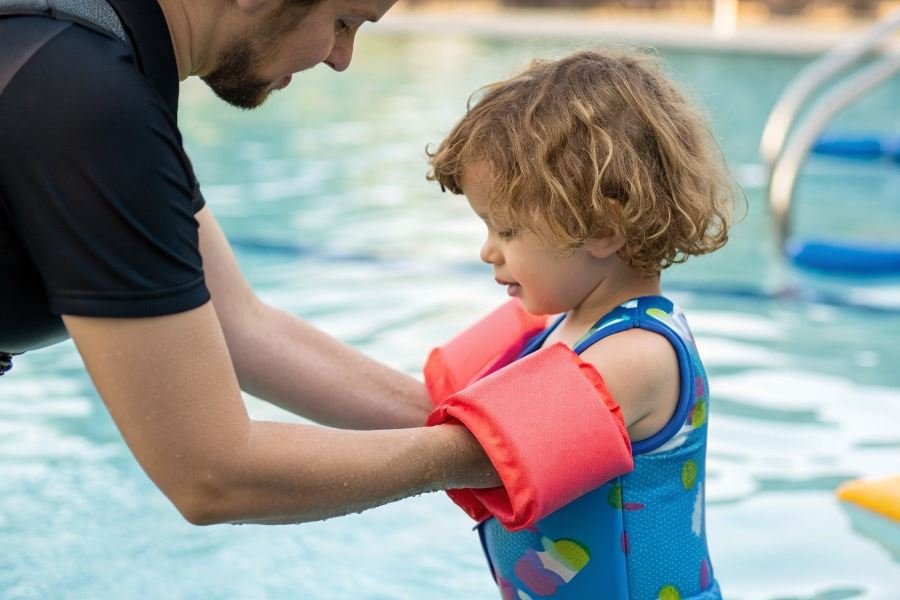
Ever watched a child transform from hesitant paddler to confident swimmer in what seems like minutes? The secret might be floating right at the end of their feet. Quality swim fins can be the difference between frustration and aquatic freedom for young swimmers.
When selecting swim fins for children, we’re not just picking colorful foot accessories—we’re choosing developmental tools that can accelerate swimming proficiency by up to 30%. The right fins work with a child’s natural movement patterns, while the wrong ones can create bad habits that might take years to correct.
Size and fit reign supreme in the world of children’s swim fins. Too tight, and you’ll have tears before they even touch water. Too loose, and they’ll slip off mid-kick, potentially creating dangerous situations. The ideal fit should feel snug but not uncomfortable, with no pinching around the heel or toes.
Age-appropriate design matters more than you might think. Younger children (ages 3-6) typically benefit from shorter, softer fins that provide gentle resistance without overwhelming their developing leg muscles. Older kids (7-12) can graduate to slightly longer fins that enhance kick strength and technique refinement.
“The best swim fin is one that grows with your child’s confidence, not just their foot size.”
Safety first: Non-negotiable features
Look for:
- Non-slip foot pockets to prevent underwater slippage
- Soft, chafe-resistant materials around ankle openings
- Bright, visible colors for easy spotting in busy pools
- Appropriate buoyancy for your child’s swimming level
Remember that swim fins are training tools, not miracle workers. Even with the perfect pair, proper supervision remains essential for every young swimmer’s journey.
Types of Swim Fins That Help Children Thrive
When it comes to helping young swimmers develop their skills, choosing the right swim fins can make all the difference between frustration and aquatic joy. The market offers various designs specifically engineered for children’s unique needs, each with distinct advantages for developing proper technique and building confidence in the water.
Parents often struggle with determining which swim fins are better suited for children given the overwhelming options available. The right choice depends on your child’s swimming level, comfort in water, and specific goals—whether that’s learning basic kicks or refining their dolphin kick for competitive swimming.
Short Blade Fins: The Perfect Starting Point
Short blade swim fins have revolutionized how children learn to swim. Unlike their longer counterparts designed for advanced swimmers, these compact fins provide just enough propulsion without overwhelming young legs.
Key benefits include:
- Reduced leg fatigue – Children can practice longer without exhaustion
- Immediate feedback on kicking technique
- Balanced propulsion that doesn’t overpower natural movement
- Easier maneuverability in pool environments
Short blades are particularly effective for children ages 4-10 who are still developing their fundamental swimming skills. The reduced surface area means kids must maintain proper kicking form to move efficiently, reinforcing good habits from the beginning.
“Short blade fins teach proper technique through gentle assistance rather than overpowering natural movement patterns—exactly what developing swimmers need.”
Split Fins vs. Traditional Fins: The Technical Breakdown
The debate between split fins and traditional blade designs takes on special significance when considering children’s swimming development.
| Feature | Split Fins | Traditional Fins | Best For |
|---|---|---|---|
| Kick Effort | Lower | Higher | Beginners (Split) |
| Propulsion | Moderate | Stronger | Technique work (Traditional) |
| Ankle Flexibility | Less required | More required | Varies by child |
| Stability | Higher | Moderate | Younger children (Split) |
Split fins create propulsion through channels that allow water to flow through the split, requiring less strength while still providing forward movement. This makes them excellent choices for children who tire easily or are just building confidence.
Traditional fins, with their solid blade design, offer more resistance and stronger propulsion—ideal for slightly more advanced young swimmers working on technique refinement and building leg strength.
Top 3 Child-Specific Fin Designs
The best swim fin manufacturers recognize that children aren’t just small adults—they have unique proportions, strength levels, and learning needs.
1. Adjustable Heel Strap Designs
These innovative fins feature expandable heel straps that accommodate growing feet and different sock thicknesses. The Speedo Biofuse training fins exemplify this approach with soft, comfortable foot pockets that prevent blisters during extended practice sessions.
2. Floating Fins
Specifically engineered with positive buoyancy, floating fins like the FINIS Floating Fins help maintain proper body position while preventing fins from sinking to the bottom when inevitably kicked off by enthusiastic young swimmers.
3. Progressive Training Systems
Some manufacturers offer progressive training systems where blade length and stiffness increase as skills develop. The Arena Powerfin Pro youth series features color-coded sizes and stiffness levels that grow with your child’s abilities.
The right fins can transform a child’s swimming experience from challenging to exhilarating, building confidence with every kick. When selecting fins, prioritize comfort, appropriate resistance levels, and designs that specifically address children’s unique swimming mechanics.
Making the Perfect Swim Fin Choice for Your Child
Swimming with fins transforms how children experience the water. The right pair can accelerate skill development, boost confidence, and make every pool session more enjoyable. But with countless options available, how do you navigate these waters? Let’s dive into making that perfect selection.
Matching fins to swimming goals
Children use swim fins for vastly different reasons. A competitive swimmer-in-training needs different equipment than a recreational snorkeler or a beginner gaining water confidence.
For technique development, shorter blade fins provide just enough propulsion while requiring proper kick mechanics. Finis Zoomers excel here, offering moderate resistance that builds strength without overwhelming young swimmers.
For snorkeling adventures, longer, more flexible fins like those from Cressi provide efficient propulsion with minimal effort—perfect for exploring underwater environments without tiring quickly.
For beginners building confidence, consider split fins which reduce leg strain while providing stability. The water channels between fin blades create natural movement that feels less restrictive to novice swimmers.
The most expensive fins aren’t necessarily the best for your child. Their swimming purpose should guide your selection above all else.
Sizing and fit fundamentals
Nothing undermines a swimming experience faster than poorly fitting fins. Here’s your essential fit guide:
| Age Group | Typical Size Range | Fit Notes |
|---|---|---|
| 2-4 years | XXS (typically 8-11) | Should fit snugly but not cause discomfort |
| 5-8 years | XS (typically 9-13) | Allow slight room for growth but avoid slippage |
| 9-12 years | S/M (typically 1-4) | Consider foot growth spurts common at this age |
| 13+ years | May fit adult sizes | Measure carefully; adult small often works |
Three critical fit checks:
- Heel cup should hold firmly without pinching
- Foot pocket should accommodate the entire foot without toe cramping
- Fin should stay in place during kicking without slipping off
The perfect fit means the fin moves with your child’s foot as a natural extension, not as a cumbersome attachment.
Remember that neoprene socks can improve comfort and fit, especially with harder plastic fins or during extended use. They also help prevent blisters during the breaking-in period.
Maintenance for maximum lifespan
Quality swim fins represent an investment in your child’s aquatic development. Proper care extends their usable life significantly:
After each use:
- Rinse thoroughly with fresh water, especially after ocean swimming
- Remove sand and debris from foot pockets and channels
- Allow to dry completely in a shaded, ventilated area—never in direct sunlight
Storage wisdom:
- Store flat or hanging, never folded or with weight on the blades
- Keep away from extreme temperatures that can warp materials
- Use a mesh bag for transportation to allow airflow and prevent damage
Periodic maintenance:
- Check for cracks or tears monthly, particularly in high-stress areas
- Apply silicone spray to rubber fins twice yearly to prevent drying and cracking
- Replace worn foot straps before they fail during use
Even the highest quality fins will deteriorate if left soaking in chlorinated water or baking in a hot car.
By matching the right fins to your child’s needs, ensuring proper fit, and maintaining them diligently, you’re not just buying equipment—you’re investing in confidence, skill development, and a lifetime of aquatic enjoyment.