
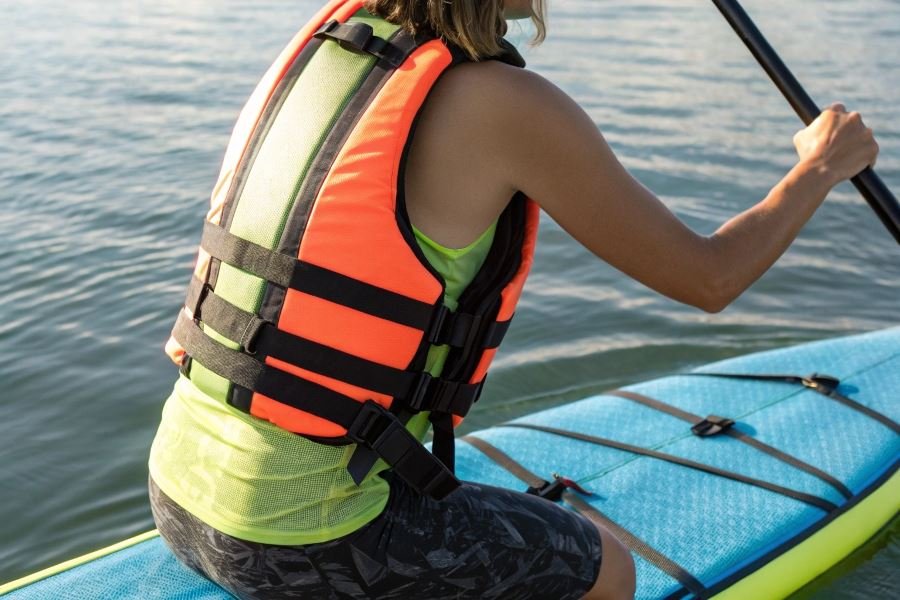
Ever watched someone struggle with a swimming vest that’s riding up around their ears? Or worse, have you seen a child nearly slip through a vest that’s way too large? Getting the right fit isn’t just about comfort—it’s about survival. When water safety experts analyzed drowning incidents involving life vests, they found that improper sizing was a factor in nearly 40% of cases.
Selecting the perfect swimming vest size feels like navigating a maze of measurements, weight ranges, and chest circumferences. But here’s the truth: those numbers aren’t arbitrary—they’re engineered safety parameters designed to keep your head above water when it matters most.
Swimming vest sizing typically follows a dual system: weight-based classifications (especially for children) and chest measurements (more common for adults). The terminology can be confusing with terms like “Type II PFDs” and “buoyancy ratings” thrown around, but don’t let the jargon intimidate you. What matters is understanding that a properly fitted vest should feel snug without restricting breathing or movement.
The sizing mistakes that could cost you
The most dangerous sizing errors happen when we prioritize comfort over safety. That loose, comfortable vest might feel great on the dock, but in turbulent water, it can slip over your head—rendering it completely useless. Equally problematic is the too-tight vest that restricts breathing or movement, potentially causing panic in emergency situations.
Another common mistake? Buying a vest for a child to “grow into.” Unlike sneakers or jeans, swimming vests aren’t items where you should size up. That extra space could be the difference between safety and tragedy.
Get Your Measurements Right for Perfect Vest Fit
Finding the right swimming vest isn’t just about comfort—it’s about safety. When water enthusiasts take the time to properly measure for their swimming vests, they dramatically increase both comfort and protection during water activities. The difference between a properly fitted vest and one that’s too loose or tight can literally be life-saving in emergency situations.
Selecting the right size of a swimming vest requires understanding three critical measurements that manufacturers use to design their products. Each measurement serves a specific purpose in ensuring the vest performs as intended when you need it most. Let’s dive into the essential measurements that will guide you toward your perfect fit.
Chest Circumference: Your Primary Measurement
Your chest measurement forms the foundation of swimming vest sizing. To measure correctly:
- Stand naturally with arms slightly away from your sides
- Wrap a flexible measuring tape around the fullest part of your chest
- Ensure the tape is parallel to the floor and snug (but not tight)
- Exhale normally and take the reading
Pro tip: Have someone help you measure for the most accurate results. Solo measurements often lead to errors of up to 2 inches!
Most premium vest manufacturers like O’Neill and Stearns provide detailed sizing charts that correlate chest measurements to vest sizes. These charts typically offer size ranges in 2-4 inch increments.
Weight Considerations: The Safety Factor
While chest measurements determine comfort, your weight directly impacts buoyancy requirements. Manufacturers engineer vests with specific flotation capacities based on weight ranges:
| Weight Range | Typical Buoyancy Rating | Recommended For |
|---|---|---|
| Under 90 lbs | 11-15 lbs of buoyancy | Children/Youth |
| 90-120 lbs | 15.5-16.5 lbs | Small Adults |
| 120-180 lbs | 16.5-18 lbs | Average Adults |
| 180+ lbs | 18+ lbs | Larger Adults |
Never compromise on weight guidelines, even if the chest measurement seems perfect. The U.S. Coast Guard certification on quality vests indicates they’ve been tested to support specific weight ranges safely.
Accounting for Clothing Layers
The final measurement consideration that many overlook is accounting for what you’ll wear under your vest. Different water activities require different clothing layers:
- Summer recreational swimming: Minimal clothing, measure over swimwear
- Spring/fall paddling: Add 1-2 inches for light layers
- Cold water activities: Add 2-3 inches for thermal protection layers
Remember: A vest that fits perfectly over a swimsuit might be dangerously tight over a 3mm wetsuit top.
When trying on vests, simulate the conditions you’ll actually use them in. If you’ll be wearing layers, bring them to your fitting. The vest should feel snug but allow full range of motion and comfortable breathing.
Many experienced water sports enthusiasts own multiple vests for different seasons and activities. While this might seem excessive, having the right vest for specific conditions ensures both comfort and safety year-round.
Measure twice, buy once—your perfect swimming vest is the one that feels like it was custom-made for your body and activity level.
Testing Your Swimming Vest for Perfect Fit
Finding that sweet spot between too tight and too loose can make all the difference between a swimming vest that saves lives and one that creates problems. Let’s dive into the essential tests that ensure your swimming vest fits like it was custom-made for your body.
The Two-Finger Test: Your First Line of Defense
The “two-finger test” isn’t just swimming folklore—it’s a time-tested method used by safety professionals worldwide. Here’s how to perform it:
- Put on your swimming vest and secure all straps and zippers
- Slide two fingers (index and middle) between the vest and your shoulders
- Your fingers should fit snugly but not painfully tight
If you can’t fit two fingers, the vest is dangerously tight and could restrict breathing or cause chafing during extended wear. If you can fit more than two fingers easily, the vest is too loose and might ride up in water—a potentially life-threatening situation.
The two-finger test is your simplest yet most reliable indicator of proper swimming vest fit. Master this, and you’re halfway to perfect safety.
Movement Assessment: The Dynamic Test
A swimming vest shouldn’t turn you into a stiff board. After the two-finger test, perform these movement checks:
- Raise both arms straight above your head
- Twist your torso from side to side
- Bend forward at the waist
- Simulate swimming strokes
During these movements, the vest should:
- Stay in place without riding up past your chin
- Allow reasonable mobility without painful restriction
- Not chafe against your neck or underarms
Many swimmers make the mistake of testing fit only while standing still. Real-world water conditions demand a vest that performs during active movement.
When to Size Up or Down: Clear Warning Signs
Your body speaks volumes about whether your swimming vest fits properly. Listen to these signals:
Signs to Size Up:
- Red marks or indentations on skin after removal
- Difficulty taking deep breaths
- Claustrophobic feeling or anxiety
- Inability to complete basic swimming movements
Signs to Size Down:
- Vest shifts position during movement
- Shoulder straps slip off regardless of adjustment
- Excessive movement between vest and body
- Ability to pull the vest over your head while fastened
| Fit Issue | Symptom | Solution |
|---|---|---|
| Too Tight | Breathing restriction, skin marks | Size up or adjust straps |
| Too Loose | Rides up in water, shifts position | Size down or tighten adjustments |
| Wrong Shape | Gaps at chest or back | Try different vest design |
Remember that different manufacturers use slightly different sizing standards. A medium in one brand might feel like a large in another. Always prioritize actual fit over the size on the label.
For children, err on the side of a properly fitted vest rather than “room to grow.” Swimming safety equipment isn’t like school clothes—it needs to fit perfectly now, not next summer.
Test your swimming vest in shallow water before venturing into deeper areas. The buoyancy effect can sometimes reveal fit issues that weren’t apparent on dry land.