
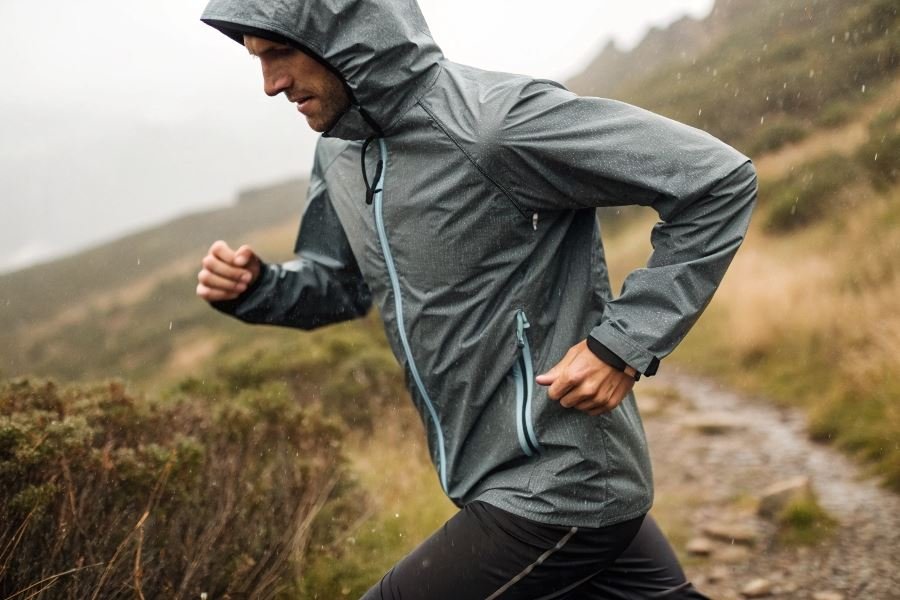
Ever stood on a mountain ridge with rain pelting your face while your core stayed perfectly dry? That’s the magic of a quality membrane jacket – the unsung hero of outdoor adventures that can make the difference between an epic experience and a miserable retreat.
Membrane jackets represent the pinnacle of technical outerwear, engineered specifically to create an impenetrable barrier against moisture while allowing your body’s natural heat and vapor to escape. Unlike traditional waterproof gear that leaves you feeling like you’re wearing a personal sauna, these high-performance shells maintain that critical balance between protection and breathability.
The technology behind these weather-fighting marvels has undergone a remarkable transformation since Gore-Tex revolutionized the industry in 1976. What began as relatively stiff, noisy fabrics has evolved into incredibly lightweight, supple materials with astonishing performance metrics. Today’s membranes feature microscopic pores that are approximately 20,000 times smaller than a water droplet but 700 times larger than a water vapor molecule – engineering precision that borders on the miraculous!
Performance metrics that matter
When evaluating membrane jackets, three critical factors determine quality:
- Waterproof rating – Measured in millimeters (10,000mm-30,000mm), indicating how much water pressure the fabric can withstand
- Breathability – Expressed in g/m²/24hrs (10,000-30,000+), showing how much moisture vapor can escape
- Durability – Often reflected in denier rating and construction techniques
The finest jackets balance these elements while incorporating thoughtful design features like articulated sleeves, adjustable hoods, and strategic ventilation – transforming technical specifications into real-world performance when you need it most.
The Science Behind Membrane Magic
When you’re standing on a windswept ridge with rain pelting down, the difference between misery and comfort comes down to what’s covering your back. Men’s membrane jackets represent the pinnacle of outdoor protection technology, combining waterproofing with breathability in a way that keeps you dry from both external moisture and internal sweat. Understanding the selection features and advantages of membrane jackets can transform your outdoor experience from an endurance test into pure enjoyment.
Membrane Types: Not All Barriers Are Created Equal
The heart of any technical jacket is its membrane – the microscopic marvel that determines performance in challenging conditions. Three primary types dominate the market:
ePTFE (expanded polytetrafluoroethylene) – First developed by Gore-Tex in 1969, these membranes feature billions of pores per square inch that are 20,000 times smaller than water droplets but 700 times larger than water vapor molecules. This engineering miracle allows sweat vapor out while blocking rain from entering.
PU (polyurethane) – More affordable but slightly less breathable, PU membranes use a hydrophilic approach that actively transports moisture through chemical attraction rather than physical pores.
Polyester-based membranes – The newest generation, offering excellent sustainability credentials while maintaining competitive performance metrics.
Technical Specifications That Matter
| Specification | Entry-Level | Mid-Range | Professional |
|---|---|---|---|
| Waterproof Rating | 5,000-10,000mm | 10,000-20,000mm | 20,000mm+ |
| Breathability | 5,000-10,000g/m²/24h | 10,000-20,000g/m²/24h | 20,000g/m²/24h+ |
| Weight | 400-600g | 300-400g | 200-300g |
| Durability (Denier) | 40-70D | 20-40D | 10-30D |
Waterproof ratings measure how much water pressure the fabric can withstand before leaking. For perspective, light rain exerts about 1,000mm of pressure, while kneeling in wet snow can create pressure exceeding 15,000mm. If you’re planning serious mountain adventures, don’t settle for less than 20,000mm.
Breathability ratings indicate how much water vapor can pass through one square meter of fabric in 24 hours. Higher numbers mean less internal condensation during high-output activities. The breathability factor becomes crucial when selecting membrane jackets for activities that alternate between intense exertion and rest periods.
Durability deserves attention too. Measured in denier (D), this specification indicates fabric thickness and strength. Lower numbers mean lighter weight but potentially less durability. Alpine climbers might prioritize weight savings, while backcountry skiers might prefer robustness.
Design Elements That Enhance Weather Performance
The membrane itself is just the beginning. Truly exceptional jackets incorporate:
Articulated elbows – Pre-bent sleeves that allow full range of motion without lifting the jacket’s hem.
Strategic venting – Pit zips and mesh-backed pockets that can be opened to dump heat during high-exertion phases.
Helmet-compatible hoods with three-way adjustment systems ensure visibility and protection remain optimal even in driving rain or snow.
Waterproof zippers and taped seams eliminate potential entry points for moisture. Look for YKK AquaGuard or similar water-resistant zippers.
The collar design deserves special scrutiny – it should be high enough to protect your neck and lower face without chafing, ideally featuring a soft microfleece lining against the chin.
For variable conditions, consider jackets with removable powder skirts or integration systems that connect to compatible pants, creating a seamless barrier against snow infiltration.
When evaluating membrane jackets, remember that the perfect choice balances technical specifications with your specific activity profile. The best jacket isn’t necessarily the most expensive one – it’s the one that provides optimal protection for your particular adventure.
Why Membrane Jackets Are Game Changers for Outdoor Enthusiasts
When the elements throw their worst at you, a premium membrane jacket stands as your personal fortress against nature’s fury. These technical marvels have revolutionized outdoor apparel, offering protection without compromise. Let’s dive into why investing in a quality membrane jacket might be the best gear decision you’ll make this season.
Performance that transcends conditions
Membrane jackets excel across virtually every outdoor scenario you might encounter. During intense mountain biking sessions, these jackets provide crucial wind resistance while allowing excess heat to escape through microscopic pores. When hiking through unpredictable alpine environments, the waterproof rating (typically 10,000-30,000mm) ensures precipitation remains where it belongs—outside your microclimate.
What truly separates membrane technology from traditional waterproofing is its adaptive performance. While skiing in The North Face or Arc’teryx membrane shells, you’ll experience protection that responds to your activity level. Push hard uphill and the membrane breathes more efficiently; stand still on a windy summit and it blocks the chill.
The magic of membrane technology isn’t just what it keeps out, but how it lets your body regulate temperature naturally while doing so.
This adaptability extends across seasons. The same jacket that shields you from spring downpours can become your primary defense against winter storms when properly layered. Few other garments in your outdoor arsenal offer this level of cross-seasonal utility.
Investment logic: cost per adventure
Premium membrane jackets from brands like Patagonia or Mountain Hardwear typically range from $300-600—a significant investment. However, when analyzed through the lens of cost-per-use, the value proposition becomes clear:
| Quality Level | Average Lifespan | Cost Per Year (Based on $400 jacket) | Approximate Cost Per Use |
|---|---|---|---|
| Premium | 7-10 years | $40-57 | $0.80-1.15 |
| Mid-range | 4-6 years | $67-100 | $1.35-2.00 |
| Budget | 1-3 years | $133-400 | $2.65-8.00 |
Proper maintenance dramatically extends this value. Simple practices like rinsing after exposure to salt or sweat, using technical wash products like Nikwax, and periodic DWR reapplication can add years to your jacket’s functional lifespan.
Versatility that justifies the price tag
The true brilliance of membrane jackets lies in their chameleon-like adaptability. A single well-chosen shell can serve as your:
- Rain protection for urban commutes
- Wind barrier during trail runs
- Snow shield throughout ski season
- Emergency layer in your travel pack
This versatility extends to styling as well. Modern membrane jackets from Columbia and Marmot feature clean lines and understated designs that transition seamlessly from technical pursuits to daily wear. The ability to serve multiple roles in your wardrobe—from summit bids to coffee runs—multiplies the value of your investment.
Packability represents another often-overlooked advantage. Premium membrane jackets compress remarkably well, occupying minimal space in your pack until conditions demand their deployment. This “insurance policy” aspect means you’re prepared for weather shifts without significant weight penalties.
By investing in a quality membrane jacket, you’re not just buying outerwear—you’re securing performance, protection, and versatility that will serve you through countless adventures across years of outdoor pursuits.