
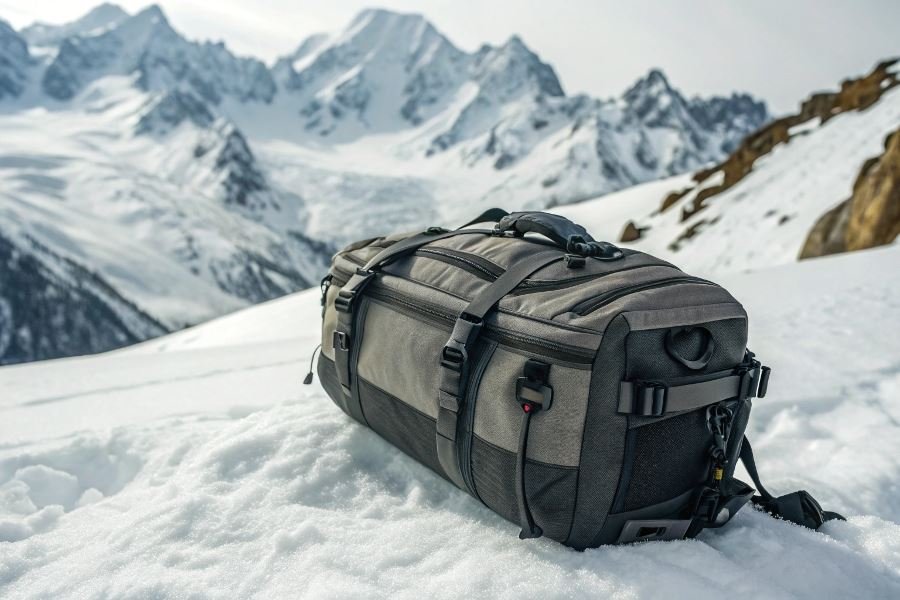
Ever stood at the base of a mountain, fumbling through an avalanche of loose gear while your friends are already halfway up the lift? That moment—when you’re juggling goggles, gloves, and snacks in sub-zero temperatures—is exactly why specialized winter sports bags matter more than you might think.
Winter sports equipment organization isn’t just about convenience; it’s about maximizing your time on the slopes and protecting your investment in high-quality gear. The humble duffel bag of the 1980s has transformed into sophisticated carrying systems designed specifically for the unique demands of snow sports enthusiasts.
The evolution has been remarkable. From the basic canvas bags of the 1970s to today’s technical compartmentalized systems, winter sports bags have become essential equipment rather than mere accessories. Modern designs feature waterproof materials, specialized boot compartments, and helmet cradles that weren’t even conceptualized a decade ago.
When selecting your winter companion bag, three factors should top your consideration list:
- Material durability in harsh conditions
- Compartmentalization that matches your specific gear needs
- Carrying comfort for those long treks from parking lot to lodge
The right bag doesn’t just carry your equipment—it extends your performance by keeping gear organized, protected, and accessible exactly when you need it. Think of it as your mobile base camp, the command center for your winter adventures.
“The difference between a good day and a great day on the mountain often comes down to how efficiently you can access and manage your equipment.”
Essential Features of Winter Sports Bags That Make or Break Your Adventure
When you’re carving fresh powder or scaling icy peaks, the last thing you need is equipment failure—and that includes your bag. Choosing the right multifunctional winter sports bag can be the difference between a seamless adventure and a frustrating ordeal of digging through a disorganized mess with frozen fingers.
For serious winter enthusiasts, understanding what to pay attention to when selecting multifunctional bags for winter sports isn’t just about convenience—it’s about performance and safety. The right bag protects your gear from harsh elements while providing quick access to essentials when temperatures drop and conditions change rapidly.
Bombproof Materials That Laugh at Winter
The foundation of any quality winter sports bag starts with its construction materials. Winter doesn’t play nice, and neither should your bag.
Water-resistant vs. waterproof: There’s a critical difference here. Water-resistant materials like treated nylon will handle light snow, but for serious winter conditions, look for:
- Waterproof TPU coatings
- Welded seams (not just stitched)
- YKK Aquaguard or similar waterproof zippers
- Reinforced, abrasion-resistant base panels
The best winter bags use materials like 1000D Cordura nylon or TPU-coated ripstop that maintain flexibility even at subzero temperatures.
Bags from The North Face and Patagonia typically feature these premium materials, with the added benefit of environmentally conscious manufacturing processes.
Smart Organization Systems That Actually Work
A jumbled mess of gear means wasted time and frozen hands. Elite winter sports bags feature thoughtful compartmentalization that makes sense for cold-weather activities.
| Compartment Type | Ideal Features | Why It Matters |
|---|---|---|
| Main Cavity | Clamshell opening, bright interior | Quick visual inventory, easy access |
| Boot Section | Ventilated, isolated from dry gear | Prevents moisture transfer, controls odor |
| Goggle Pocket | Fleece-lined, crush-resistant | Protects lenses, prevents fogging |
| Small Essentials | Multiple internal mesh pockets | Organizes gloves, hats, tools |
| Hydration | Insulated sleeve, tube routing | Prevents freezing, maintains accessibility |
The best designs include dedicated spaces for avalanche safety equipment, allowing for immediate access in emergency situations. Burton and Dakine excel in creating intuitive organization systems specifically designed for winter sports enthusiasts.
Size and Carrying Ergonomics for Different Winter Disciplines
Your winter activity dictates the ideal bag dimensions and carrying system. One size definitely does not fit all.
For resort skiing/snowboarding:
- 30-45L capacity
- Padded shoulder straps
- Sternum strap for stability
- External helmet carrier
For backcountry exploration:
- 45-65L capacity
- Full suspension system with load lifters
- Hip belt with gear loops
- Ice axe attachments
- Snowboard/ski carrying straps
For ice climbing:
- Streamlined profile
- Tool-specific attachments
- Reinforced haul loops
- Compression straps to minimize movement
The carrying system should distribute weight effectively while allowing full range of motion. Bags from Osprey feature anatomically-shaped shoulder straps and back panels that prevent sweat buildup—crucial for maintaining thermal regulation during high-exertion winter activities.
Remember that the perfect winter sports bag balances protection, organization, and carrying comfort without unnecessary weight or bulk. When you find that sweet spot, your gear becomes an extension of yourself rather than a burden—exactly what you need when facing winter’s most challenging conditions.
Top 3 Multifunctional Bags for Winter Sports
When the powder calls, having the right gear bag can make or break your winter adventure. I’ve tested dozens of options across snow-covered terrain from Aspen to Zermatt, and I’m here to share the absolute cream of the crop. Let’s dive into the bags that will revolutionize how you transport your winter sports equipment!
Premium versatility champions
The premium segment offers bags that feel like they were designed by winter athletes who got tired of compromising. The Burton Wheelie Board Case stands tall among competitors with its IXION skate wheel system that glides effortlessly through airport terminals and snowy parking lots. Its internal dividers can be reconfigured to accommodate everything from snowboards to boots and helmets.
The Dakine High Roller deserves special mention for its 360° padding and reinforced end panels that protect your precious gear from baggage handlers who might not share your passion for winter sports. What sets it apart? The split-level design that keeps wet gear isolated from your dry clothes.
These premium options typically range from $200-350, but their durability means you’ll be using them for many seasons to come.
Budget-friendly winter warriors
Not everyone needs to splurge on their gear transport solution. The Element Equipment Boot Bag Deluxe delivers impressive functionality at roughly half the price of premium options. With dedicated boot compartments and a waterproof bottom section, it handles the essentials without unnecessary frills.
The Athletico Ski Boot Bag deserves recognition for its clever design that includes ventilated compartments to prevent that dreaded “equipment funk” after a long day on the slopes. At under $100, it’s a steal for weekend warriors.
The true value of a budget bag isn’t just its price tag—it’s finding one that doesn’t force you to replace it mid-season.
These budget options may lack some premium features like reinforced corners or premium hardware, but they nail the fundamentals of organization and protection.
Sport-specific specialized solutions
For those who focus on particular winter activities, specialized bags offer tailored features that general-purpose options can’t match.
Snowboarders will appreciate the Thule RoundTrip Snowboard Roller with its S-shaped zipper that allows full access to the main compartment without awkward packing angles. The internal board sleeve provides additional protection for your prized deck.
Skiers should consider the Salomon Extend 2 Pairs Ski Bag with its adjustable length system that accommodates skis from 175cm to 215cm. The padded ski divider prevents edges from damaging each other during transport.
For ice climbers and mountaineers, the Patagonia Black Hole Duffel offers unmatched weather resistance and attachment points for ice tools and crampons. Its backpack straps make it ideal for approaches to remote ice climbing locations.
| Bag Type | Price Range | Best For | Standout Feature |
|---|---|---|---|
| Premium | $200-350 | Frequent travelers | Superior protection, durability |
| Budget | $70-120 | Occasional use | Essential organization at lower cost |
| Sport-specific | $150-250 | Specialized athletes | Tailored features for particular sports |
The perfect winter sports bag balances protection, organization, and portability. Whether you’re a weekend warrior or a seasoned athlete chasing powder around the globe, investing in the right bag means spending less time wrestling with gear and more time enjoying the mountains.