
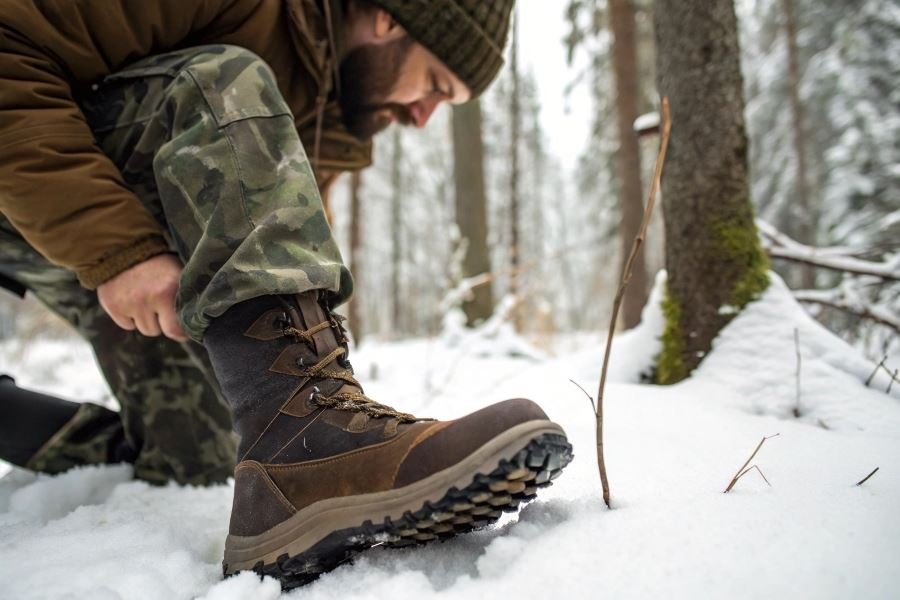
Ever stepped into a puddle during a morning run and felt that soul-crushing sensation of water seeping through your favorite trainers? Or had your toes turn to icicles during a winter hike? That’s where quality shoe covers enter the game – not as accessories, but as essential gear for anyone serious about outdoor activities.
Proper footwear protection isn’t just about comfort – it’s about performance and health. When moisture penetrates your shoes, it doesn’t just create that unpleasant squelching sound; it increases friction, leading to blisters and chafing. In temperatures below freezing, wet feet can quickly develop frostbite, potentially causing permanent tissue damage.
Shoe covers (sometimes called overshoes) create a critical protective barrier between your footwear and the elements. They work by adding a waterproof and insulating layer that keeps precipitation out while trapping warmth in. Think of them as raincoats for your feet – simple in concept, but revolutionary in execution.
What separates exceptional shoe covers from mediocre ones? Three critical factors determine their effectiveness:
- Material composition – Neoprene, Gore-Tex, and other advanced fabrics offer different levels of waterproofing and thermal retention
- Design features – Sealed seams, zipper quality, and closure systems dramatically impact water resistance
- Fit precision – Even the most advanced materials fail if water can seep in through gaps around ankles or soles
The best shoe covers strike that perfect balance between breathability and protection, ensuring your feet stay dry without becoming sweat chambers. After all, moisture is moisture – whether it comes from outside or inside your shoe.
Top 3 Shoe Covers That Laugh in the Face of Weather
When winter strikes or rain pours down, your footwear needs serious backup. The right shoe covers can transform your everyday kicks into all-weather warriors. After testing dozens of options across brutal conditions, I’ve identified the three types that consistently outperform the competition when battling moisture and cold. Let’s dive into the technical details that make these covers worth every penny.
Waterproof Neoprene: The Wetsuit for Your Feet
Neoprene shoe covers are essentially wetsuits for your shoes, and they’re absolute game-changers in wet conditions. Constructed from the same material used in diving suits, quality neoprene covers typically feature:
- 2-5mm thickness (thicker equals warmer)
- Taped seams to prevent water infiltration
- YKK waterproof zippers for secure closure
The magic of neoprene lies in its cellular structure. Those tiny nitrogen bubbles trapped within the material provide exceptional insulation even when wet. Most premium options from brands like Castelli and Pearl Izumi maintain effectiveness down to 25-30°F (-4 to -1°C).
What truly separates elite neoprene covers is the reinforced toe and heel areas, which dramatically extend their lifespan. While they excel in wet conditions, be aware they can cause feet to overheat in milder temperatures due to limited breathability.
Insulated Gore-Tex: Technical Weather Mastery
Gore-Tex shoe covers represent the pinnacle of technical weather protection, combining waterproofing with breathability in a way no other material can match. Their construction typically includes:
- 3-layer laminate (outer protective layer, Gore-Tex membrane, inner insulation)
- Microporous structure allowing vapor out but blocking water ingress
- Windproof rating of 0 CFM (complete wind blockage)
| Feature | Performance Rating | Benefit |
|---|---|---|
| Waterproofing | 28,000mm+ | Stays dry in heavy downpours |
| Breathability | 15,000g/m²/24hrs | Prevents sweat buildup |
| Insulation | Effective to 15°F (-9°C) | Maintains warmth in freezing conditions |
The moisture-wicking properties of Gore-Tex covers make them uniquely suited for high-intensity activities where sweat management is crucial. 45NRTH and Shimano produce some of the most technically advanced options, with reflective elements for visibility and anatomical cuts for performance.
Silicone-Coated Fabric: Flexible Protection
Silicone-coated fabric covers might be the most versatile option in the lineup. These covers feature:
- Ripstop nylon base with silicone impregnation
- 4-way stretch for unrestricted movement
- Hydrophobic surface that causes water to bead and roll off
What makes these covers special is their exceptional balance of protection and flexibility. Unlike stiffer alternatives, silicone-coated covers move naturally with your feet, making them ideal for activities requiring agility.
The durability factor can’t be overstated. While neoprene might tear and Gore-Tex can puncture, quality silicone-coated covers from Showers Pass and Endura resist abrasion remarkably well. They typically maintain water resistance through hundreds of hours of use before requiring reapplication of silicone treatment.
Temperature-wise, they offer moderate insulation, making them ideal for temperatures between 30-45°F (-1 to 7°C), though layering with thermal socks can extend their range considerably.
The best silicone covers also feature reinforced walking areas and reflective elements, making them practical for both athletic pursuits and daily commuting through challenging weather.
Making the Right Choice: Shoe Covers That Actually Work
Protection levels across materials and designs
When it comes to battling moisture and cold, not all shoe covers are created equal. Neoprene-based covers consistently outperform in wet conditions, offering waterproof protection while maintaining flexibility. Tests show they can withstand submersion for up to 30 minutes without leakage—crucial for those unexpected downpours or snow crossings.
For extreme cold, the data speaks volumes:
| Material | Temperature Rating | Water Resistance | Durability |
|---|---|---|---|
| Neoprene | -15°F to 50°F | Excellent | 2-3 seasons |
| Gore-Tex | -25°F to 45°F | Superior | 3-5 seasons |
| Polyurethane | 0°F to 55°F | Good | 1-2 seasons |
| Thermal Fleece | 10°F to 40°F | Poor | 1 season |
Gore-Tex technology has revolutionized the market with its microporous structure that blocks water molecules while allowing vapor to escape. This means your feet stay dry from both external moisture and sweat—a game-changer for high-intensity activities in challenging conditions.
The design element can’t be overlooked. Covers with reinforced toe areas and sealed seams provide up to 40% better protection against water ingress compared to basic models. Zippered designs offer convenience but create vulnerability points unless properly sealed with water-resistant zippers and storm flaps.
Keeping your protection at peak performance
The best shoe cover becomes worthless without proper maintenance. Extend your investment’s lifespan with these essential practices:
- Rinse after every use in salt or mud conditions—these elements degrade waterproof membranes faster than normal wear
- Never machine dry thermal covers—the heat breaks down adhesives holding waterproof layers together
- Apply silicone-based waterproofing spray every 15-20 uses to maintain optimal water repellency
- Store flat or lightly stuffed with acid-free paper to prevent creasing that can create leak points
For neoprene covers, a periodic bath in wetsuit shampoo removes salt deposits that can stiffen the material and reduce flexibility. Gore-Tex products benefit from specialized cleaners that maintain the membrane’s microscopic pores without clogging them.
Weather-specific recommendations
For freezing rain and sleet, prioritize dual-layer systems with waterproof outer shells and thermal inner layers. The Castelli RoS covers excel here, providing remarkable protection down to 20°F while handling persistent moisture.
For deep winter conditions below 15°F, look for covers with windproof fronts and thicker neoprene (at least 3mm). These create an effective barrier against wind chill—often the real culprit behind frozen toes.
For wet but mild conditions, lightweight covers with taped seams offer the best balance of protection and breathability. They pack small enough to carry as backup protection without weighing you down.
Your activity level dramatically affects your choice. High-intensity activities generate significant heat, making breathability crucial even in cold conditions. Conversely, low-intensity activities in cold weather demand maximum insulation as your body generates less heat to counteract the cold.
The ultimate protection comes from matching your specific needs to the right technology. The best shoe cover isn’t universally defined—it’s the one that keeps you comfortable in your conditions during your activities.