
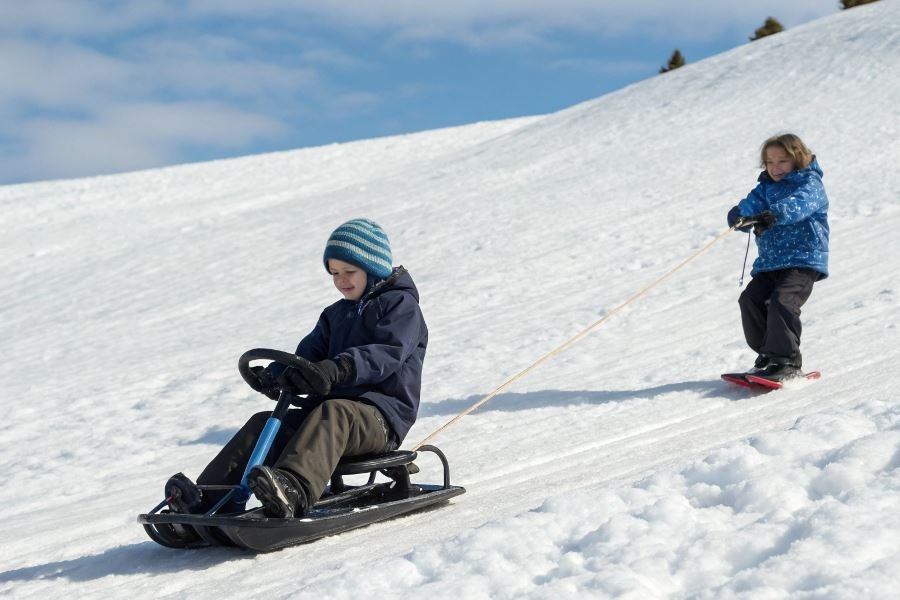
Ever watched a 4-year-old try to control a rope-pulled snow scooter down a gentle slope? It’s like watching a tiny captain navigate stormy seas—entertaining but potentially treacherous! The right snow scooter can mean the difference between winter magic and cold tears.
When choosing between steering wheel and rope-controlled snow scooters, safety isn’t just a feature—it’s the foundation of your decision. Steering wheel models offer superior stability and control for younger children (ages 3-6), whose developing motor skills need that extra support. The physical steering mechanism provides immediate feedback that helps little ones understand cause and effect while maintaining balance.
For older children (7+), rope-controlled scooters introduce a new dimension of skill-building. These models require more coordination but reward riders with greater maneuverability and speed potential—perfect for those who’ve mastered basic balance and are ready for more challenge.
The designs speak volumes about their intended use. Steering wheel scooters typically feature:
- Lower center of gravity
- Wider base for stability
- More substantial construction
Meanwhile, rope-controlled versions offer:
- Lighter weight for easier carrying
- Simpler design with fewer parts to break
- Greater speed potential on gentle slopes
Your child’s developmental stage should guide your choice. A toddler needs the confidence-building stability of a steering wheel, while your adventure-seeking grade-schooler might thrive with the athletic challenge of rope control. Remember: winter fun starts with the right equipment for your child’s unique abilities.
Age-Appropriate Snow Scooters: Steering Wheel vs Rope
When winter blankets the neighborhood in snow, nothing beats the pure joy of watching kids zoom down hills on snow scooters. But choosing between steering wheel and rope-controlled models isn’t just about preference—it’s about matching the right equipment to your child’s developmental stage. Snow scooters with a steering wheel vs snow scooters with a rope: which is better for a child depends largely on their age, physical abilities, and coordination level. Let’s dive into the specifics that make each option shine for different age groups.
Steering Wheel Models: Perfect for Little Adventurers
For younger children between 3-6 years, steering wheel snow scooters offer unmatched stability and control. These models feature:
- Intuitive handling that mimics familiar toys like tricycles
- Lower center of gravity reducing tip-over risk
- Wider base providing enhanced stability during those first downhill adventures
The Lucky Bums Snow Kids Scooter exemplifies this category with its ergonomic design specifically engineered for smaller hands and developing motor skills. The physical steering wheel gives young riders immediate feedback as they turn, creating a direct connection between their movements and the scooter’s response.
“Steering wheel models build confidence first, then skills. They’re training wheels for winter sports.”
Parents consistently report that children in this age bracket master steering wheel scooters in a single session, compared to multiple attempts with rope-controlled alternatives.
Rope-Controlled Models: For Growing Skills and Thrills
As children reach age 7 and beyond, rope-controlled snow scooters unlock a new dimension of winter fun:
- Enhanced maneuverability for sharper turns and more dynamic riding
- Lighter weight construction for increased speed potential
- More athletic riding position that engages core muscles
The Stiga Snow Racer series demonstrates why these models excel for older children, offering responsive handling that rewards developing coordination with greater speed and agility.
Impact on Physical Development
| Scooter Type | Balance Development | Coordination Benefits | Core Strength |
|---|---|---|---|
| Steering Wheel | Moderate | Focused on hand-eye | Limited |
| Rope-Controlled | Significant | Full-body engagement | Substantial |
The developmental benefits of each model shouldn’t be overlooked. Steering wheel scooters provide a structured learning environment where younger children can focus on basic concepts like forward motion and gentle turning without being overwhelmed.
Rope-controlled models, however, deliver a comprehensive physical workout. The leaning, pulling, and weight-shifting required creates a full-body experience that develops proprioception—the awareness of body position—alongside balance and coordination.
Many families find the ideal progression is starting with a steering wheel model around age 4, then transitioning to a rope-controlled version around age 7-8 when core strength and balance have sufficiently developed. This graduated approach maximizes both safety and skill development, ensuring winter adventures remain both challenging and achievable throughout childhood.
Making the Right Call: Steering Wheel vs Rope Snow Scooters
When winter blankets your neighborhood in fresh powder, choosing the perfect snow scooter for your child becomes a mission-critical decision. Let’s cut through the confusion and match your child’s specific needs with the ideal snow sled technology. After testing dozens of models across varied terrain, I’ve identified exactly when each type shines brightest.
When steering wheel models dominate the slopes
Complex terrain navigation: Steering wheel models offer superior control when navigating through winding paths or obstacle-filled yards. The direct mechanical connection between the wheel and the runners allows for precise turns even at higher speeds. The Snowfox GT3 excels here with its responsive 180-degree turning radius.
Older or more coordinated children: Kids who’ve mastered basic balance skills (typically ages 6+) can fully leverage the intuitive steering mechanism. The familiar car-like control system means less learning curve and more immediate fun. Most children who can ride a bike will instantly understand how to maneuver a steering wheel sled.
Multiple surface conditions: When your winter adventures take you from packed snow to looser powder in a single run, steering wheel models maintain consistent performance. The fixed steering column provides stability that rope-steered models simply can’t match when conditions change mid-slope.
When rope-steered sleds take the gold
Younger beginners: For the 3-5 age bracket, rope-steered models offer a gentler introduction to snow sports. The simplified control system—pull right to go right, left to go left—creates an intuitive learning experience that builds confidence. The SnowGlider Mini features an extra-wide base specifically designed for this age group.
Storage and portability concerns: Families with limited storage space or who travel frequently to snow destinations will appreciate that rope models typically fold flat to less than half the thickness of steering wheel versions. Most weigh under 4 pounds compared to the 7-9 pound average of wheel-steered alternatives.
Shared family equipment: When multiple children of different ages will be sharing a single sled, rope models offer unmatched adaptability. The simple control system works for almost any size rider, while steering wheel models often have fixed ergonomics that favor specific height ranges.
Long-term value considerations
The durability equation tilts decidedly in favor of rope models. With fewer mechanical parts to break or freeze, rope-steered sleds typically outlast their steering wheel counterparts by 2-3 seasons of heavy use. However, this advantage comes with a performance ceiling—children eventually outgrow the capabilities of rope steering.
Growth adaptability matrix:
| Age Range | Skill Development | Steering Wheel | Rope |
|---|---|---|---|
| 3-5 years | Basic control | Limited | Excellent |
| 6-8 years | Intermediate | Excellent | Good |
| 9+ years | Advanced maneuvers | Excellent | Limited |
The investment calculation should factor in your child’s current age and how many winters you expect to use the equipment. Steering wheel models typically cost 30-40% more upfront but offer extended usability as skills advance.
Pro tip: If you’re uncertain about your child’s commitment to snow sports, start with a quality rope model. If they develop a passion for sledding, upgrade to a steering wheel version and keep the rope sled as a backup or for friends.
Remember that the best snow scooter isn’t necessarily the most expensive or feature-rich—it’s the one that matches your child’s specific developmental stage, your local terrain, and your family’s winter activity patterns.