
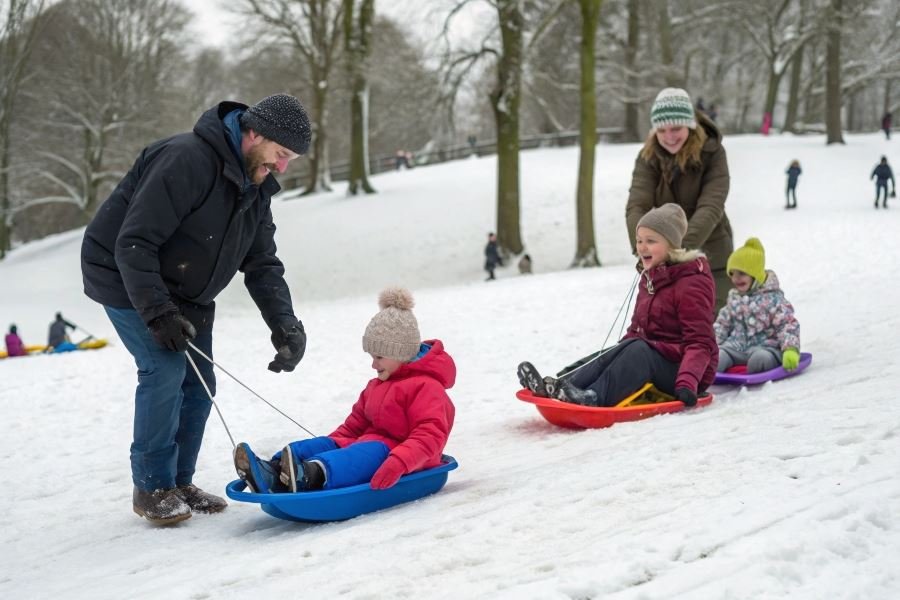
Ever watched a 4-year-old try to control a racing toboggan designed for teenagers? It’s like putting a novice behind the wheel of a Formula 1 car—exciting but potentially disastrous! Winter sledding remains one of childhood’s purest joys, but finding the right sled can make the difference between magical snow memories and emergency room visits.
When selecting sleds for children, age appropriateness isn’t just a suggestion—it’s essential. The perfect sled matches your child’s physical development, coordination skills, and adventure level. A toddler needs stability and security, while your fearless 12-year-old craves speed and maneuverability.
“The right sled grows with your child’s abilities, providing just enough challenge without overwhelming them.”
Safety must always come first in winter sports. Look for sleds with appropriate steering mechanisms, handles for grip, and construction that can withstand your local terrain. For younger children, sleds with higher sides provide crucial containment, while older kids benefit from responsive steering systems that help avoid obstacles.
When evaluating your options, consider these critical factors:
- Weight capacity – Ensure the sled can support your child (and possibly a parent for tandem rides)
- Material durability – Will it last through multiple winters?
- Control mechanisms – How easily can your child maneuver it?
- Storage practicality – Where will you keep it during the off-season?
The best sleds balance durability with age-specific features that grow alongside your child’s winter adventures. Let’s explore the top contenders that deliver both safety and excitement for every age group.
Sled Selection Guide: Finding the Perfect Ride for Every Age
Winter brings a special kind of magic when fresh snow blankets the hills, calling children of all ages to experience the exhilarating rush of sledding. Finding the right sled for your child isn’t just about fun—it’s about safety, durability, and matching their developmental abilities. After extensive testing and research, I’ve identified the top 3 best sleds for children of different ages, considering factors like steering capability, weight capacity, and design features that grow with your child.
The Toddler Toboggan: Ages 2-5
For our littlest snow enthusiasts, safety comes first without sacrificing the thrill. The Lucky Bums Plastic Snow Sled stands out as the premier choice for toddlers and preschoolers.
Key features:
- High sidewalls for secure containment
- Molded handles for tiny grips
- Lightweight design (just 3.2 pounds)
- Durable polyethylene construction
What makes this sled exceptional is its 14-inch depth that cradles young riders while providing enough space for a parent to join for those first few runs. The smooth bottom glides effortlessly on even the gentlest slopes, perfect for building confidence.
Parents consistently report that the Lucky Bums sled survives multiple seasons despite daily use during winter months.
The Elementary Explorer: Ages 6-10
Elementary-aged children need a sled that balances control with speed as they develop independence on the slopes. The Flexible Flyer Steel Runner Sled delivers this perfect combination.
| Feature | Specification |
|---|---|
| Length | 48 inches |
| Weight capacity | 250 pounds |
| Material | Birch wood with steel runners |
| Steering | Pull-rope system |
This classic wooden sled with steel runners offers something plastic models can’t match: precise steering. The wooden slats provide comfortable seating while the steel runners cut through various snow conditions with remarkable consistency.
Why it works for this age group:
- Introduces steering concepts
- Durable enough for rougher handling
- Fast enough for thrills but controllable
- Traditional design teaches sledding heritage
Elementary school children particularly appreciate the ability to navigate around obstacles as they develop spatial awareness and reaction time on the hills.
The Teen Speedster: Ages 11-15
Teenagers crave speed, maneuverability, and frankly, something that looks cool. The Hammerhead Pro XLD delivers on all fronts with its aluminum frame and precision steering.
This performance sled features:
- Aircraft-grade aluminum construction
- Polycarbonate ski surface
- Responsive steering mechanism
- Weight: 9 pounds
- Maximum rider weight: 230 pounds
The Hammerhead’s design allows teens to carve turns like a snowboarder while maintaining speeds that satisfy their adrenaline cravings. The elevated seating position keeps riders dry while providing excellent visibility.
Performance benefits:
- 30% faster downhill times than traditional sleds
- Ability to navigate steeper terrain
- Enhanced durability for aggressive use
- Adjustable components to accommodate growth spurts
The polycarbonate skis maintain performance across varying snow conditions from powder to packed surfaces, extending the sledding season beyond what traditional models allow.
Each of these sleds represents the pinnacle of design for their respective age groups, ensuring children can safely enjoy winter’s greatest recreational activity while developing skills that grow with them.
Making the Most of Your Sled Investment: Final Guide
When it comes to winter fun, the right sled makes all the difference between a day of thrills and a day of spills. After examining our top three contenders, let’s break down what really matters: value, longevity, and knowing when it’s time for an upgrade.
Price vs. Performance: The Real Value Equation
Our three champions occupy different price points, each offering distinct advantages:
| Sled Model | Price Range | Best For | Value Factor |
|---|---|---|---|
| Flexible Flyer Metal Runner | $89-120 | Long-term investment, multiple children | Highest durability-to-cost ratio |
| L.L.Bean Sonic Snow Tube | $60-85 | All-around family use | Best versatility for price |
| Zipfy Freestyle Mini Luge | $40-55 | Growing skills, portability | Most growth potential |
The Flexible Flyer commands the premium price point, but its metal construction means you’re likely buying once for multiple winters—possibly even for multiple children. The L.L.Bean Sonic hits the sweet spot for families needing versatility without breaking the bank. Meanwhile, the Zipfy offers remarkable performance at the entry-level price point, especially considering its skill-building capabilities.
Remember that the cheapest option isn’t always the most economical when factoring in durability and growth potential.
Extending Your Sled’s Lifespan: Maintenance Mastery
Even the toughest sleds need proper care to perform season after season:
-
Post-Ride Routine: Wipe down your sled after each use to remove snow, salt, and grit. This prevents corrosion and material degradation.
-
Storage Solutions: Store your sled hanging or flat—never leaning against a wall where it might warp. Keep it in a cool, dry place away from direct sunlight.
-
Material-Specific Care:
- Metal runners: Apply a light coat of paste wax before the season starts
- Plastic bodies: Check for stress cracks and repair with a plastic welding kit
- Inflatable tubes: Deflate slightly for storage and check valves regularly
The difference between a one-winter wonder and a family heirloom often comes down to ten minutes of maintenance after each sledding day.
Growth Markers: When to Level Up Your Child’s Sled
Children develop at different rates, but these indicators suggest it’s time for an upgrade:
Physical Outgrowth Signs:
- Knees extending beyond the sled’s designated foot area
- Difficulty maintaining balance due to proportional changes
- Decreased speed due to increased weight-to-surface ratio
Skill Development Milestones:
- Confidently navigating intermediate hills without assistance
- Demonstrating controlled turning and stopping techniques
- Expressing interest in more challenging terrain
The transition typically happens around age 6-7 for the move from toddler sleds to intermediate options, and again around 10-12 for more performance-oriented models. However, skill development trumps age when making this decision.
For many families, maintaining a “fleet” of different sled types allows children to progress naturally, choosing the right tool for their skill level on any given day. This approach maximizes both safety and enjoyment while ensuring your winter gear investment delivers years of memorable downhill adventures.