
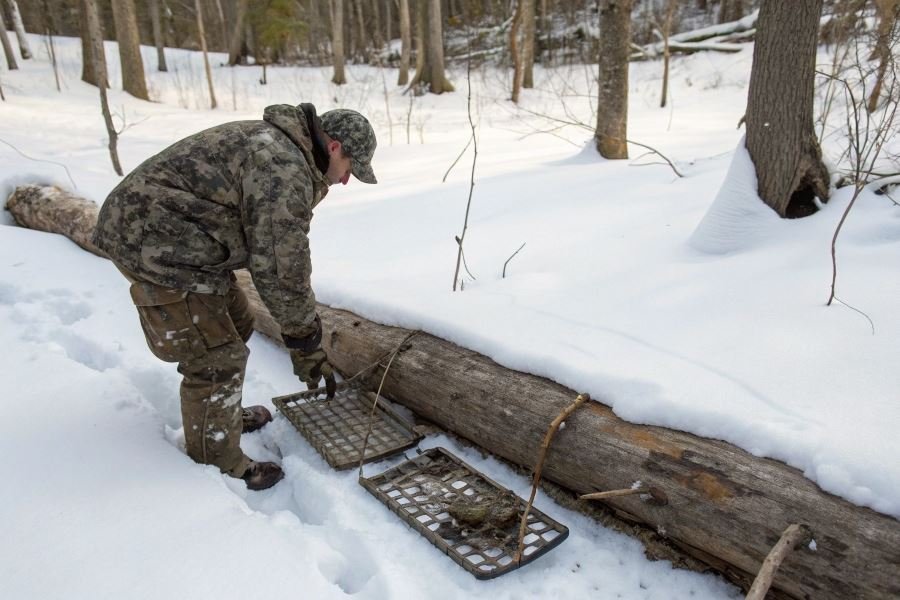
Ever wondered why some hunters consistently bring home game while others return empty-handed? The secret often lies not in the hours spent in the field, but in the strategic placement of well-chosen traps. Trap hunting remains one of hunting’s most misunderstood disciplines—requiring equal parts science, skill, and respect for wildlife.
Before you set your first foothold or snare, understand that trap hunting isn’t simply about catching game; it’s about responsible stewardship of natural resources. Federal regulations established by the Fish and Wildlife Service work alongside state-specific laws to create a framework that protects both wildlife populations and non-target species. These laws aren’t just bureaucratic red tape—they’re the foundation of sustainable hunting practices that have preserved American wildlife since the conservation movement began in the early 1900s.
Matching trap to quarry isn’t just effective—it’s ethical. Using an oversized conibear trap for muskrat is like fishing for bluegill with a marlin rig—inappropriate and potentially harmful. Conversely, attempting to trap coyote with equipment designed for smaller game often results in escaped animals suffering from injuries. The most successful trappers understand that trap selection directly impacts:
- Animal welfare and humane capture
- Reduction of non-target catches
- Preservation of pelt quality
- Overall hunting efficiency
Safety practices cannot be overlooked, either. Modern trap designs incorporate numerous safety features, but proper handling techniques remain essential. From wearing appropriate gloves to using setting tools, these practices protect not just the trapper but also domestic animals and other outdoor enthusiasts who might encounter trap sites.
Remember: The most effective trap isn’t necessarily the most complex or expensive—it’s the one that’s appropriate for your target game, legally deployed, and responsibly maintained.
Trap Selection Mastery: Finding Your Perfect Match
When pursuing different game species, selecting the right trap can make all the difference between success and frustration in the field. The most effective hunting traps for different types of game depend entirely on understanding both the target animal’s behavior and the mechanical advantages each trap design offers. Let’s dive into the fascinating world of trap selection and discover which options deliver consistent results for various quarry.
Foothold Traps: The Predator Specialists
Foothold traps remain the gold standard for capturing medium to large predators with minimal damage. These mechanical marvels have evolved dramatically from their early counterparts.
Coil-spring models dominate the modern market, offering lightning-fast closure speeds that outperform older longspring designs. The Duke #2 and MB-550 have become industry standards for coyote trappers, delivering consistent pad catches when properly modified and tuned.
For smaller predators like fox and bobcat, consider:
- Laminated jaw models – Distribute pressure more evenly
- Offset jaws – Reduce bone damage while maintaining holding power
- Four-coiled designs – Provide superior strength for escape artists
The key to foothold success lies in proper pan tension adjustment—typically 2-3 pounds for coyotes and 1-2 pounds for fox. This prevents non-target catches while ensuring your intended quarry can’t escape.
Body-gripping Traps: The Water Trapper’s Friend
Body-gripping traps excel in water applications, delivering quick, humane catches for beaver, muskrat, and other aquatic furbearers.
The Conibear 330 represents the heavyweight champion for beaver, while the 220 size proves ideal for raccoon and marten in properly constructed cubbies. For muskrat, nothing beats the efficiency of 110 models in runway sets.
What separates exceptional body-grip performance from mediocre results?
| Trap Size | Target Species | Optimal Placement | Spring Tension |
|---|---|---|---|
| 110 | Muskrat, Weasel | Runs, den entrances | Light |
| 220 | Raccoon, Marten | Cubbies, trail sets | Medium |
| 330 | Beaver, Otter | Underwater channels | Heavy |
Spring tension maintenance cannot be overstated—body-gripping traps with weak springs fail to deliver the quick, ethical catches they’re designed for. Regular testing with spring compressors ensures your equipment performs as intended.
Snares and Cable Restraints: The Versatility Champions
Perhaps no trapping tool offers more versatility than properly constructed snares and cable restraints. These lightweight, packable options shine in areas where bulkier traps prove impractical.
For coyotes, 3/32″ cable with quality Reichart breakaway locks has revolutionized winter trapping success rates. Fox respond exceptionally well to lighter 1/16″ cable with reduced loop sizes—typically 8-10 inches versus the 10-12 inches preferred for coyotes.
Rabbit snares require entirely different specifications, with 22-gauge wire and simple lock designs proving most effective for these smaller game animals.
The positioning makes all the difference:
- Trail sets – Place at nostril height of target species
- Fence crossings – Natural funnels increase encounter rates
- Den entrances – Nearly guaranteed capture locations
When properly implemented with appropriate stops and breakaways, modern cable restraints offer remarkable selectivity while minimizing non-target impacts—a critical consideration for today’s ethical trapper.
By matching the right trap design to your target species and mastering proper set construction, you’ll dramatically increase your success while ensuring responsible harvest practices.
Mastering the Hunt: Trap Success Strategies
Strategic Placement Makes All the Difference
The difference between coming home empty-handed and a successful hunt often comes down to trap placement mastery. Experienced trappers know that game animals follow predictable patterns, using the same trails and feeding areas consistently. Position your traps along these natural pathways—look for narrowed sections of trails where animals are funneled into a specific route. For predators like coyotes, placing traps near territorial marking spots dramatically increases catch rates.
Height matters tremendously. When setting Conibear traps for tree-dwelling species, position them 4-6 inches above ground for raccoons and 7-9 inches for fisher cats. For foothold traps, ensure they’re bedded firmly with no wobble—animals detect instability instantly and become trap-shy.
The most successful trappers maintain meticulous trap maintenance schedules, treating their equipment like professional tools rather than occasional implements.
Clean your traps thoroughly after each use, removing all human scent with specialized trap wax or boiling in natural materials like walnut husks. Rusty traps aren’t just ineffective—they’re practically invisible to your quarry because they signal danger through unnatural odors.
Seasonal Shifts Demand Adaptive Approaches
Trap effectiveness fluctuates dramatically with seasonal changes. During fall, beaver activity peaks as they prepare for winter, making colony traps exceptionally productive near dam sites. Winter brings concentrated animal movement patterns as food sources diminish, allowing for more predictable trap placement.
| Season | Primary Target Species | Most Effective Trap Types | Key Placement Areas |
|---|---|---|---|
| Spring | Coyote, Fox, Raccoon | Foothold, Dog-proof | Den entrances, water sources |
| Summer | Beaver, Muskrat | Colony, Conibear | Waterways, feeding areas |
| Fall | Most fur-bearers | All types | Travel corridors, food caches |
| Winter | Coyote, Bobcat | Snares, Foothold | Concentrated game trails |
Temperature affects trap function too—spring tension weakens in extreme cold, requiring adjustment for reliable triggering. During summer months, bait degradation accelerates, necessitating more frequent checks and refreshing of attractants.
The savvy trapper doesn’t fight seasonal changes but adapts to them, using each season’s unique characteristics to enhance success rates.
Ethical Trapping in Modern Times
Modern trap hunting demands a responsible approach that balances effectiveness with ethical considerations. The Association of Fish & Wildlife Agencies has established Best Management Practices (BMPs) that outline humane trapping methods—follow these guidelines religiously.
Quick-kill traps like properly sized Conibears minimize suffering when correctly deployed. For restraining traps, check them at least once every 24 hours—more frequently in extreme weather conditions. Many states now require offset or padded jaw traps that reduce injury while maintaining effectiveness.
Consider using trap monitors with cellular notification systems that alert you immediately when a trap is triggered, allowing for prompt attention to captured animals.
The most responsible trappers understand they’re participating in wildlife management, not just pursuing game. Selective trapping that targets specific species while avoiding non-target captures represents the gold standard of modern practice. Use appropriate pan tension settings, specific lures, and proper trap sizes to minimize incidental catches.
By combining strategic placement, seasonal adaptability, and ethical approaches, you’ll not only improve your success rate but also ensure the sustainability of both the wildlife resources and the trapping tradition itself.