
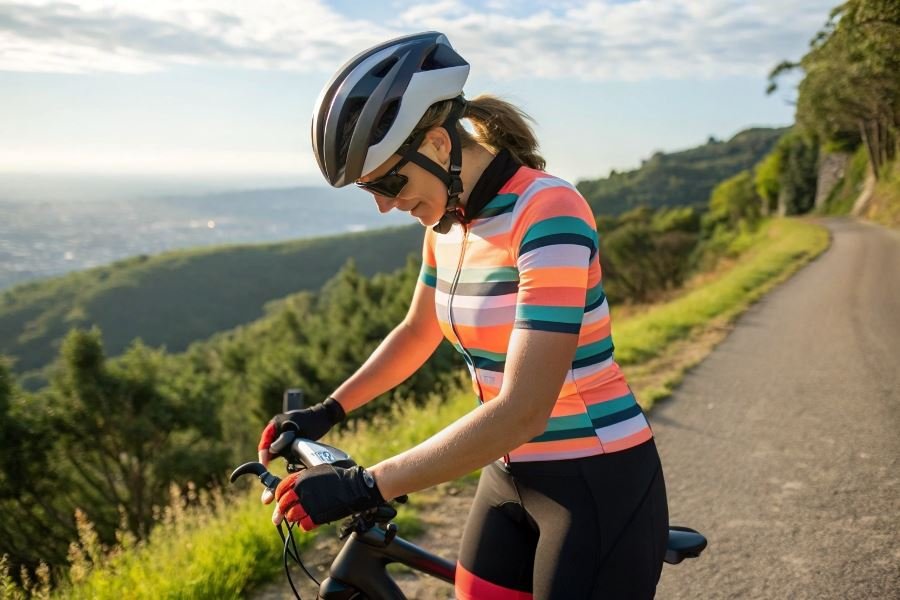
Ever noticed how the right gear transforms a grueling ride into pure joy? That magical feeling when you’re perfectly dressed for the conditions—not too hot, not too cold—just hitting that cycling sweet spot where your body and the elements are in perfect harmony.
Cycling through all four seasons demands more than just a sturdy bike and determination. It requires a thoughtful approach to what you wear. The difference between an exhilarating 30-mile journey and a miserable slog often comes down to your clothing choices. Since 2020, we’ve seen a 47% increase in year-round cyclists, with proper attire being the key differentiator between those who stick with it and those who hang up their bikes when conditions get challenging.
Appropriate cycling attire isn’t just about comfort—it directly impacts your performance and safety. Moisture-wicking fabrics prevent chafing during summer rides, while proper layering in winter prevents hypothermia. High-visibility elements reduce accident risk by up to 33%, particularly crucial during fall and winter’s limited daylight hours.
Your seasonal cycling wardrobe should balance three critical factors:
- Technical performance: How the garment handles moisture, temperature regulation, and movement
- Weather protection: Appropriate barriers against rain, wind, UV exposure, and cold
- Versatility: Pieces that transition between seasons with smart layering
When building your cycling wardrobe, invest first in versatile core pieces rather than season-specific items. Quality base layers and a good shell jacket will serve you better than a closet full of single-purpose garments. Remember: the goal isn’t accumulating gear—it’s accumulating miles in maximum comfort.
Dress for the Ride: Mastering Seasonal Cycling Wardrobes
Cycling doesn’t pause for weather—it adapts. The right gear transforms brutal headwinds into manageable challenges and torrential downpours into memorable adventures. Understanding seasonal cycling clothing: what you need for spring, summer, autumn, and winter can be the difference between exhilarating rides and miserable slogs through unforgiving elements.
Spring: Embracing Unpredictability
Spring cycling demands versatility above all else. Temperature swings of 20+ degrees during a single ride aren’t uncommon, making adaptable layering your best strategy.
Base essentials:
- Moisture-wicking short-sleeve jersey
- Arm warmers (easily removable mid-ride)
- Lightweight, packable wind vest
- Knee or leg warmers
The MVP of spring cycling is undoubtedly the rain jacket. Look for models with breathable membranes like Gore-Tex that offer 10,000mm+ waterproofing while allowing sweat vapor to escape. The Castelli Gabba revolutionized spring riding with its water-resistant, breathable design that works in temperatures from 50-65°F.
“There’s no bad weather, just bad clothing choices. Spring tests this theory daily.”
For footwear, neoprene overshoes provide crucial protection against unexpected showers while adding warmth without bulk.
Summer: Managing Heat and Exposure
When temperatures climb, cooling efficiency becomes paramount.
Hot weather essentials:
- Ultralight jerseys (look for mesh panels and UPF 30+ ratings)
- Bib shorts with minimal seams to prevent chafing
- Lightweight, ventilated gloves
- Cycling cap with sweat-wicking properties
| Feature | Benefit | Look For |
|---|---|---|
| Mesh panels | Enhanced airflow | Underarm and side placement |
| Silicone grippers | Prevents riding up | Wide, distributed pressure |
| Full zipper | Quick temperature regulation | Locking zipper pull |
Modern summer jerseys from brands like Rapha and Pearl Izumi incorporate cooling technologies that can lower skin temperature by up to 5°F through specialized fabric treatments. Don’t overlook UV protection—cycling exposes you to 30-40% more UV radiation than standing still.
Autumn: Mastering the Middle Ground
Autumn riding presents the widest temperature variations, often starting cold and warming significantly.
Fall cycling must-haves:
- Thermal long-sleeve jerseys
- Windproof gilet/vest
- Merino wool base layers
- Full-finger gloves with touchscreen compatibility
Visibility becomes crucial as daylight hours decrease. Look for apparel with reflective elements that appear normal in daylight but illuminate brilliantly when headlights hit them. Proviz offers jackets with 360-degree reflectivity visible from up to 300 meters away.
Embrocation creams provide a traditional solution for autumn rides, creating a warming sensation on exposed skin while repelling light rain.
Winter: Conquering the Cold
Winter cycling requires strategic insulation without compromising mobility.
Cold-weather essentials:
- Windproof softshell jacket with thermal lining
- Thermal bib tights (look for windproof front panels)
- Insulated, waterproof gloves
- Thermal skull cap or balaclava
The layering principle reaches its peak importance in winter. Start with a moisture-wicking base layer (merino wool offers superior warmth-to-weight ratio), add an insulating mid-layer, and finish with a protective outer shell.
Extremity protection deserves special attention. 45NRTH specializes in winter cycling footwear with temperature ratings down to -25°F. For hands, the “lobster claw” mitten-glove hybrid design offers superior warmth while maintaining brake lever control.
Battery-heated apparel has revolutionized extreme cold riding, with systems from Ravean providing up to 10 hours of supplemental heat precisely where needed.
The right seasonal cycling wardrobe doesn’t just make riding possible year-round—it makes it enjoyable, regardless of what Mother Nature throws your way.
Maximizing Your Cycling Wardrobe Investment
Three versatile pieces for year-round riding
The smartest cyclists know that certain gear transcends seasons. After testing hundreds of products across brutal winters and scorching summers, I’ve identified the true all-stars that deliver maximum value:
-
Merino wool base layers stand as the undisputed champions of versatility. These miracle fabrics from brands like Rapha and Smartwool regulate temperature in 40°F autumn mornings yet prevent overheating when temperatures climb. Their natural antimicrobial properties mean less washing and longer wear.
-
Convertible jackets with removable sleeves transform from full protection to vest mode in seconds. The Pearl Izumi Barrier exemplifies this category with its packable design and water-resistant exterior that handles unexpected weather changes without requiring a complete wardrobe overhaul.
-
Quality bib shorts with proper chamois padding form the foundation of every serious cyclist’s kit. Invest in mid-weight options from Assos or Castelli that work across three seasons, adding leg warmers when temperatures drop.
The most valuable cycling garments aren’t necessarily the most expensive—they’re the ones that adapt to multiple conditions while maintaining performance.
Extending gear lifespan through proper care
Your cycling wardrobe represents a significant investment. Protect it with these maintenance practices:
-
Wash technical fabrics correctly by turning garments inside-out, using sport-specific detergent without fabric softeners, and avoiding high heat. This preserves elasticity and technical properties.
-
Address issues immediately rather than letting small problems compound. A tiny tear in your rain jacket becomes a major failure point if ignored through multiple wet rides.
-
Store gear properly between seasons. Hanging waterproof jackets maintains their membrane integrity, while folding compression garments prevents stretched elastic bands.
| Garment Type | Washing Frequency | Storage Method | Common Failure Points |
|---|---|---|---|
| Base Layers | After 1-3 uses | Folded flat | Underarm seams |
| Bibs/Shorts | After every ride | Hung or flat | Chamois separation |
| Jackets | When visibly soiled | Hung with air circulation | Zipper, cuff elastic |
Building a sustainable cycling wardrobe
The environmental impact of cycling apparel deserves attention. Consider these approaches:
Invest in timeless designs rather than chasing seasonal trends. The classic black bib short from 2018 functions identically to the 2025 version with updated graphics. Quality pieces from Patagonia and Velocio emphasize durability over disposability.
Repair rather than replace whenever possible. Many manufacturers offer repair services, and simple fixes like reapplying DWR treatment to rain gear can extend useful life by years.
Consider the circular economy by exploring brands with take-back programs. Companies like Isadore and Rapha now offer recycling options for worn-out gear, while platforms like The Pro’s Closet facilitate quality used equipment sales.
By focusing on versatile pieces, proper maintenance, and sustainable practices, you’ll build a cycling wardrobe that performs across all seasons while minimizing both environmental impact and long-term costs. The smartest cyclists aren’t those with the most gear—they’re the ones whose carefully curated collections deliver maximum performance in every condition.