
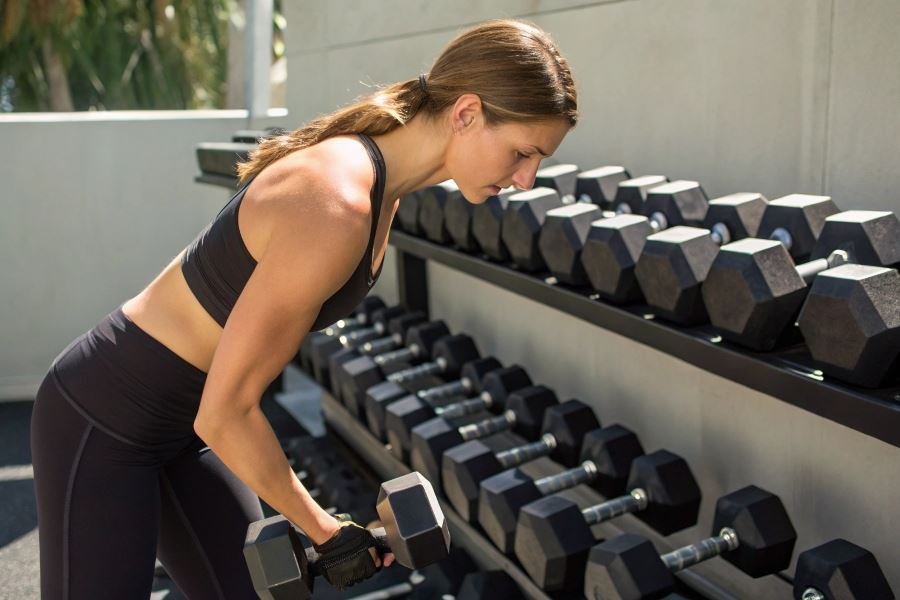
Ever watched someone transform not just their physique but their entire confidence level in a matter of months? That’s the power of strength training with the right tools. For women specifically, the dumbbell isn’t just equipment—it’s a gateway to strength that translates into everyday power.
The fitness industry finally acknowledged what research has proven for decades: women who incorporate strength training experience benefits that extend far beyond aesthetics. Studies from the American College of Sports Medicine show that regular resistance training helps women maintain bone density, accelerate metabolism, and improve functional strength—all critical factors as we age.
Selecting the perfect dumbbells for your fitness journey isn’t just about grabbing whatever’s on sale. It’s about finding tools that complement your goals, space constraints, and current fitness level. The right dumbbells become extensions of your determination, not obstacles to it.
Why have dumbbells become the cornerstone of home fitness? Their versatility is unmatched—allowing you to target every major muscle group without the footprint of a full gym. From bicep curls to goblet squats, a single pair unlocks hundreds of movements.
When choosing your perfect match, consider:
- Weight progression options (fixed vs. adjustable systems)
- Handle ergonomics designed for smaller hands
- Material quality that withstands intense training sessions
Your dumbbells should challenge you without defeating you, grow with your strength without overwhelming your space, and inspire confidence with every rep. The right choice empowers your fitness journey from the very first curl.
Weight Range and Adjustability: Finding Your Perfect Match
Let’s cut to the chase—choosing the right dumbbells isn’t just about picking up any weight at the sporting goods store. It’s about finding equipment that grows with you, challenges you appropriately, and keeps you progressing toward your strength goals.
When selecting dumbbells for women, what to pay attention to when choosing often comes down to two critical factors: weight range and adjustability. These elements can make the difference between steady progress and frustrating plateaus in your fitness journey.
Fixed vs. Adjustable: The Great Dumbbell Debate
Fixed dumbbells shine in their simplicity. Each dumbbell represents one specific weight—what you see is what you lift. They typically feature rubber or neoprene coatings in various colors, making your home gym both functional and visually appealing.
The magic of fixed dumbbells lies in their grab-and-go convenience—no adjustments, no waiting, just immediate lifting.
Adjustable dumbbells, meanwhile, are the Swiss Army knives of strength training. These engineering marvels from brands like Bowflex and NordicTrack allow you to change weights with a simple dial turn or pin adjustment.
| Dumbbell Type | Pros | Cons | Best For |
|---|---|---|---|
| Fixed | Durable, simple to use, no setup time | Takes up more space, expensive to build complete set | Focused workouts, beginners learning form |
| Adjustable | Space-efficient, cost-effective for multiple weights | Setup time between exercises, more complex mechanisms | Home gyms, varied workout routines, limited space |
Starting Points: Finding Your Baseline
The right starting weight varies dramatically based on your current strength level and goals. Here’s a data-driven approach to selecting your initial weights:
Beginners (0-6 months of training)
- Upper body exercises: 2-10 lbs
- Lower body exercises: 5-15 lbs
Intermediate (6 months-2 years)
- Upper body exercises: 8-20 lbs
- Lower body exercises: 12-25 lbs
Advanced (2+ years consistent training)
- Upper body exercises: 15-30+ lbs
- Lower body exercises: 20-40+ lbs
Remember that these are general guidelines. Your perfect weight is one that challenges you by the final reps of your set without compromising form.
Progressive Overload: The Science Behind Results
The principle of progressive overload—gradually increasing the weight, frequency, or number of repetitions—is what transforms workouts into results.
The body adapts to the demands placed upon it. When those demands remain the same, progress stops.
This is where weight selection becomes critical. Too light, and you’re not stimulating growth. Too heavy, and you risk injury or poor technique.
For optimal results, your dumbbell collection should allow for small incremental increases (2-3 pound jumps for upper body, 5 pounds for lower body). This is where adjustable systems from PowerBlock with 2.5-pound increments truly shine, allowing for precise progressive overload without requiring an entire wall of fixed dumbbells.
The ideal setup combines the convenience of a few key fixed weights for your most common exercises with an adjustable system that fills the gaps and allows for steady progression as you grow stronger. This balanced approach ensures you’re never limited by your equipment—only by your determination to keep pushing forward.
Your Perfect Dumbbell Match Awaits
Selecting the right dumbbells isn’t just about grabbing whatever’s on sale—it’s about finding equipment that will serve as faithful companions on your fitness journey for years to come. After exploring all the essential factors, let’s bring everything together to help you make a decision you won’t regret when you hit that challenging final set.
The Four Pillars of Dumbbell Selection
When choosing dumbbells that truly work for your body and goals, four factors stand above all others:
Weight range – The sweet spot depends on your current strength and progression goals. Most women benefit from starting with 2-15 pound options, with the ability to scale up as strength improves. Remember that different muscle groups require different resistance levels—you might curl 8 pounds but deadlift 20.
Material quality – Cast iron offers durability at a reasonable price point, while rubber-coated options protect your floors (and eardrums). Neoprene-covered dumbbells provide comfort but may deteriorate faster with intense use. Premium urethane coatings offer the best of all worlds but command higher prices.
Grip comfort – The connection between your hand and the weight determines your control and endurance. Knurled metal provides security but can be rough on hands, while contoured handles with textured rubber offer both comfort and slip resistance during sweaty sessions.
Adjustability options – Fixed dumbbells offer simplicity, while adjustable systems save space and money. The latest quick-change mechanisms from brands like Bowflex and PowerBlock have revolutionized home gyms by offering 5-50 pounds in a single compact unit.
Investment Thinking vs. Quick Fix
Quality dumbbells represent a fitness investment that can last decades—literally. Here’s what separates temporary tools from lifetime companions:
| Quality Indicator | What It Means For Longevity |
|---|---|
| End cap security | Prevents weights from loosening over time |
| Coating durability | Resists chipping, cracking and odor retention |
| Handle construction | Determines comfort during extended sessions |
| Weight accuracy | Ensures balanced training and proper progression |
The price difference between budget and premium options often amounts to just $1-2 per pound, yet the lifespan difference can be measured in years rather than months. When amortized over a decade of use, premium dumbbells cost mere pennies per workout.
Matching Dumbbells to Your Workout Style
Your ideal dumbbell depends heavily on how you plan to use it:
For HIIT and circuit training, lighter weights with comfortable grips excel. Look for hexagonal designs that won’t roll away during quick transitions.
For strength training and progressive overload, adjustable systems or a comprehensive fixed set with 5-pound increments will support your journey from beginner to advanced lifter.
For rehabilitation and mobility work, lighter weights with ergonomic designs reduce strain while providing the necessary resistance for recovery.
For combination workouts, versatility reigns supreme. Adjustable dumbbells or a carefully selected range of fixed weights (perhaps 5, 10, 15, and 20 pounds) will cover most bases.
The perfect dumbbell isn’t just about specifications—it’s about finding the tool that feels like a natural extension of your body. When you find that perfect match, your dumbbells transform from mere equipment into trusted allies in your fitness journey, ready to help you crush goals for years to come.