
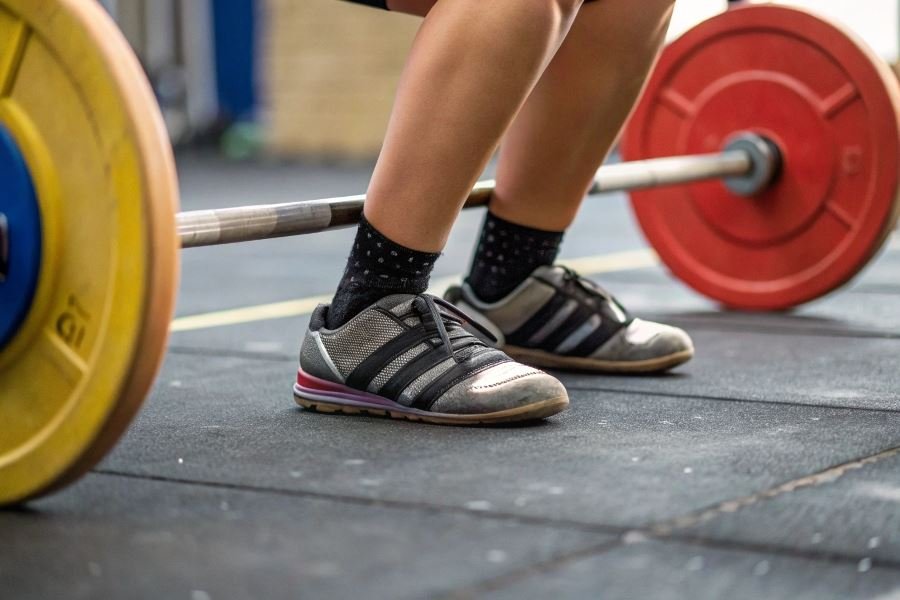
Ever watched an Olympic lifter nail a 400-pound clean and jerk while wearing what looks like dress shoes with heels? There’s method to this apparent madness—and it could be the difference between smashing your PR and nursing an injury.
Weightlifting shoes aren’t just another piece of gym gear; they’re specialized tools engineered for one purpose: maximizing force transfer from your body to the ground. Unlike your cushioned running shoes that absorb energy (great for protecting joints when running, terrible for lifting heavy), weightlifting shoes feature incompressible elevated heels and rigid soles that create the ultimate stable platform.
The stability difference is night and day. Try performing a heavy squat in running shoes versus proper weightlifting footwear—it’s like comparing squatting on a waterbed to standing on concrete. The solid base allows you to generate maximum power without energy leakage through soft midsoles.
Beyond stability: The biomechanical advantage
The elevated heel (typically 0.5-0.75 inches) isn’t just for show—it’s biomechanical brilliance. This height modification allows for:
- Greater ankle mobility and deeper squats
- Improved posture throughout lifts
- Better quad engagement during movements
- Reduced strain on lower back and knees
When selecting your perfect pair, prioritize three critical factors: heel height (based on your mobility needs), strap security (for lateral stability), and fit (snug but not constricting). Remember that these aren’t all-purpose shoes—they’re specialized equipment for specific movements where maximum stability and proper positioning matter most.
The Architecture Behind Perfect Weightlifting Footwear
When the barbell gets heavy, your shoes become your foundation. The difference between a wobbly clean and jerk and a rock-solid personal record often comes down to what’s on your feet. Selecting the right weightlifting shoes isn’t just about style—it’s engineering for performance.
Most lifters spend countless hours perfecting their technique, programming their training, and planning their nutrition, yet overlook how to choose weightlifting shoes that complement their biomechanics. This oversight can limit progress and even lead to compensatory movement patterns that increase injury risk.
Heel Height: Your Biomechanical Advantage
The elevated heel in weightlifting shoes isn’t just tradition—it’s functional architecture. Typical heel heights range from 0.5 to 1.1 inches (12.5-28mm), with profound implications for your lifting mechanics:
- 0.5-0.6 inches: Ideal for lifters with longer torsos, good ankle mobility, or those who primarily powerlift
- 0.75-0.85 inches: The sweet spot for most Olympic lifters with average proportions
- 0.9-1.1 inches: Beneficial for those with longer femurs or limited ankle dorsiflexion
The material matters too. Traditional wooden heels provide uncompromising stability, while TPU (thermoplastic polyurethane) offers similar rigidity with reduced weight. Avoid compressible materials like EVA foam that defeat the purpose of a weightlifting shoe.
Stability Systems That Transfer Power
The stability trifecta in quality weightlifting shoes creates a platform that transfers 100% of your force into the ground:
| Stability Feature | Function | What to Look For |
|---|---|---|
| Rigid Sole | Prevents energy loss | Non-compressible material, minimal flex when twisted |
| Metatarsal Strap | Locks midfoot | Wide strap positioned across the instep, secure buckle or hook-and-loop system |
| Lateral Support | Prevents foot roll | Reinforced sidewalls, structured upper material |
The Nike Romaleos and Adidas Adipower series exemplify these features with dual-strap systems that create a vice-like grip on your foot. This isn’t about comfort in the traditional sense—it’s about creating a seamless connection between your body and the ground.
Durability Factors That Justify Investment
Quality weightlifting shoes aren’t cheap, with premium models ranging from 150−200. However, their construction should withstand years of heavy training:
-
Upper Material Integrity: Full-grain leather offers superior durability and molds to your foot over time. Synthetic alternatives like PU-coated leather provide similar longevity with reduced break-in periods.
-
Sole Construction: Look for shoes with the heel directly attached to the outsole rather than glued to a midsole layer. This direct connection eliminates a potential failure point.
-
Stress Point Reinforcement: Examine the stitching around the heel cup and where the upper meets the sole—these high-stress areas should feature double stitching or reinforced materials.
The Reebok Legacy Lifter demonstrates exceptional durability with its full-grain leather upper and direct-attached heel construction that maintains structural integrity even after thousands of heavy lifts.
Remember that weightlifting shoes are specialized tools, not general training footwear. Their purpose-built design creates the optimal environment for moving serious weight overhead or standing up from a deep squat. When you find the right pair that matches your proportions, lifting style, and durability needs, you’ll immediately feel the difference in your stability and confidence under the bar.
Finding Your Perfect Weightlifting Shoes
When the barbell gets heavy, your foundation matters more than ever. Weightlifting shoes aren’t just footwear—they’re specialized equipment engineered to enhance stability, improve positioning, and ultimately help you lift more weight with better form. Let’s dive into finding your perfect pair.
Match Your Lifting Style
Different lifting styles demand different shoe characteristics. Your training focus should dictate your choice:
Olympic lifters need shoes with elevated heels (typically 0.75-1″ in height) and maximum stability. The Nike Romaleos and Adidas Adipower series offer competition-grade support with rigid soles that transfer power efficiently.
Powerlifters often prefer flatter shoes for deadlifts but elevated heels for squats. Many opt for a versatile option like the Reebok Legacy Lifter with moderate heel height, or keep separate shoes for different lifts.
CrossFit athletes need versatility. The Nobull Trainers or Reebok Nano series provide enough heel stability for Olympic movements while remaining flexible enough for box jumps and rope climbs.
Your primary lifting movements should guide your choice—don’t buy Olympic weightlifting shoes if you never clean and jerk.
Nailing the Perfect Fit
Weightlifting shoes should fit differently than your running shoes:
| Fit Consideration | Guidance | Why It Matters |
|---|---|---|
| Toe Box | Snug but not cramped | Prevents foot movement during lifts |
| Midfoot | Very secure | Creates stability under load |
| Heel | Locked in place | Eliminates heel slip during squats |
| Width | Match to foot type | Wide feet need wide shoes for proper force transfer |
Try shoes in the afternoon when your feet are slightly larger. Wear your lifting socks during fitting, and test them with movements similar to your training—a quarter squat at minimum.
The best weightlifting shoes feature multiple securing mechanisms. Double straps, like those on the Adidas Leistung, provide customizable tightness across different parts of the foot.
Investment Considerations
Quality weightlifting shoes typically range from 120−200, but the investment calculation goes beyond price:
Durability factors: Look for:
- Solid wood or TPU heels (not compressed cardboard)
- Full leather or synthetic leather uppers
- Metal eyelets for laces
- Reinforced stitching at stress points
Cost per use: A $180 pair that lasts 5 years of 3x weekly training costs about $0.23 per session—less than the chalk you’ll use.
Performance value: Even a 5% improvement in your squat mechanics could mean adding 15+ pounds to your max over time. What’s that progress worth to you?
Budget options exist, but beware of false economy. The Do-Win Classic Lifter offers solid performance at a lower price point without major compromises.
Remember that weightlifting shoes are specialized tools, not everyday footwear. Treat them accordingly—keep them dry, store them properly, and they’ll support your lifting journey for years. The right pair becomes an extension of your body, creating the stable platform you need to push your strength to new heights.