
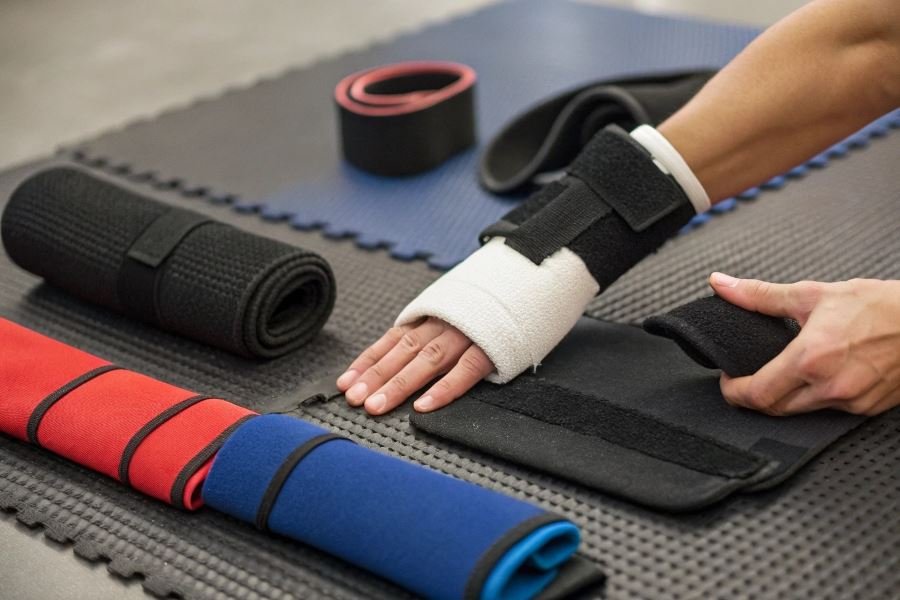
Ever watched an athlete grimace in pain after a hard fall on their forearm? That split-second of impact can derail weeks of training. Forearm injuries aren’t just painful—they’re performance killers that can sideline you when you least expect it.
Whether you’re crushing it at CrossFit, dominating the basketball court, or simply chasing after energetic kids, your forearms take a beating. They’re the unsung heroes of almost every physical activity, yet most of us neglect them until something goes wrong.
The right protective bandage doesn’t just prevent injuries—it can transform your performance. Think of it as body armor for one of your most vulnerable areas. From wrist sprains to muscle strains and the dreaded “weightlifter’s forearm,” proper support can be the difference between pushing through your personal best and weeks of recovery.
What makes a forearm bandage worth your investment?
When selecting the perfect forearm protection, three factors stand above the rest:
- Compression level: Too tight restricts movement; too loose offers minimal support
- Material quality: Breathability prevents that uncomfortable sweat buildup during intense sessions
- Stability features: Look for reinforced stitching and strategic support zones
The best bandages balance protection with mobility—they’re like a second skin that guards without restricting. Remember, your forearm contains 20 distinct muscles that control everything from grip strength to fine motor skills. Protecting them isn’t optional; it’s essential.
Forearm Protection That Actually Works
When injury prevention meets performance enhancement, forearm protection becomes essential equipment rather than an optional accessory. Athletes across disciplines understand that proper support can mean the difference between consistent training and unwanted recovery time. The market offers various solutions for forearm protection, with three distinct categories emerging as clear leaders for those seeking reliable support.
Finding the top 3 best forearm protective bandages requires understanding the unique benefits each style provides. Whether you’re recovering from tendonitis, preventing strain during heavy lifts, or managing chronic forearm pain, the right protective gear can transform your athletic experience. Let’s examine the most effective options available today, comparing their features, benefits, and ideal use cases.
Compression sleeve-style protection
Compression sleeves represent the most streamlined approach to forearm protection. These tubular designs slide easily onto the arm, providing consistent pressure throughout the forearm.
Nike Pro Forearm Sleeves deliver graduated compression that improves blood circulation while maintaining a lightweight feel. Their moisture-wicking fabric prevents the uncomfortable dampness that plagues many compression products during intense workouts.
Key benefits include:
- 360-degree uniform compression
- Seamless design prevents chafing
- Easy to put on and remove quickly
- Maintains body temperature in the targeted area
These sleeves excel for athletes needing all-day wear or those participating in sports requiring full range of motion. Basketball players, tennis enthusiasts, and golfers particularly benefit from the non-restrictive support.
Wrap-around adjustable support systems
For those requiring customizable pressure levels, wrap-around forearm bandages offer superior versatility. These designs typically feature hook-and-loop closures allowing precise tension adjustment.
The McDavid Level 2 Forearm Strap exemplifies this category with its targeted compression zones. Users can modify pressure points to address specific pain areas while maintaining mobility elsewhere in the forearm.
The adjustable nature of these wraps makes them ideal for progressive rehabilitation programs where compression needs change throughout recovery.
| Feature | Benefit |
|---|---|
| Adjustable tension | Customized support for specific conditions |
| Targeted compression | Focuses pressure where needed most |
| Reinforced stabilization | Limits harmful movements while allowing beneficial ones |
| Multiple sizing options | Ensures proper fit across different body types |
Weightlifters, climbers, and baseball pitchers gravitate toward these wraps for their ability to provide substantial support during high-stress movements.
Medical-grade therapeutic solutions
When recovery becomes the primary goal, medical-grade forearm bandages offer therapeutic benefits beyond basic compression. These products often incorporate additional healing technologies.
The Bauerfeind Sports Elbow Support extends protection from the elbow through the forearm with medical-grade compression fabric and silicone massage pads that stimulate circulation during movement.
Standout features of medical-grade options:
- Anatomically contoured design follows natural muscle structure
- Proprietary fabrics with antimicrobial properties
- Integrated silicone elements provide therapeutic massage
- Physician-recommended pressure gradients
These advanced options prove invaluable for athletes managing chronic conditions like tennis elbow, golfer’s elbow, or recovering from forearm strains. The premium materials and specialized design elements justify their higher price point for those requiring serious therapeutic benefits alongside protection.
Each category offers distinct advantages depending on your specific needs, activity level, and recovery goals. The right forearm protection can enhance performance while preventing future injuries—making it an investment in your athletic longevity.
Choosing Your Perfect Forearm Protector
When you’re pushing your limits in sports, the right forearm protection isn’t just equipment—it’s peace of mind. After examining our top three contenders, let’s dive into making that crucial final decision that keeps you performing at your peak.
Match Your Sport to Your Shield
Different activities demand different protection profiles. Our top three bandages each excel in specific scenarios:
-
High-impact sports (basketball, volleyball, football): The McDavid Compression Arm Sleeve offers that crucial balance of impact absorption and flexibility you need when contact is inevitable.
-
Endurance activities (tennis, baseball, climbing): The Nike Pro Combat Forearm Shiver delivers the lightweight, breathable support that prevents fatigue during those marathon sessions.
-
Recovery and rehabilitation: The Copper Fit Compression Sleeve provides that therapeutic compression and stability when you’re working back from injury.
The perfect bandage feels like it was made specifically for your sport—because in many ways, it was.
Wearing and Caring for Peak Performance
Even the most advanced forearm protection becomes useless if improperly worn or maintained. Follow these essentials:
Proper Fit: Measure your forearm at its widest point. A bandage should feel snug but never restrict circulation. If you see skin discoloration or feel tingling, it’s too tight.
Strategic Positioning: Center the bandage over the area needing most protection. For general support, position it evenly between wrist and elbow.
Maintenance Routine:
| Care Aspect | Recommended Approach | Frequency |
|---|---|---|
| Cleaning | Hand wash with mild soap | After every 2-3 uses |
| Drying | Air dry only, no direct heat | After each washing |
| Storage | Roll loosely, avoid folding | Between uses |
Pro tip: Rotate between two bandages to extend their lifespan while always having a fresh one ready.
Recognizing Replacement Time
Even the highest quality forearm bandages have a lifespan. Knowing when to replace them is crucial for maintaining protection:
Visual indicators: Look for stretched-out fabric, fraying edges, or thinning material—especially in high-stress areas. When compression feels noticeably less than when new, it’s time for replacement.
Performance decline: If you notice decreased support or comfort during activity, your bandage is telling you something.
Timeline benchmarks: For regular athletes (3+ sessions weekly):
- Compression sleeves: Replace every 4-6 months
- Padded protectors: Evaluate every 3-4 months
- Therapeutic bandages: Check monthly for compression loss
Remember that a worn-out bandage isn’t just less effective—it can actually create new problems by altering your mechanics as you compensate for reduced support.
The best forearm protection is the one that becomes part of your routine—so comfortable you forget it’s there, yet so effective you’d never consider playing without it. By matching your bandage to your activity, maintaining it properly, and replacing it when necessary, you’re not just buying equipment—you’re investing in performance and longevity in the sports you love.