
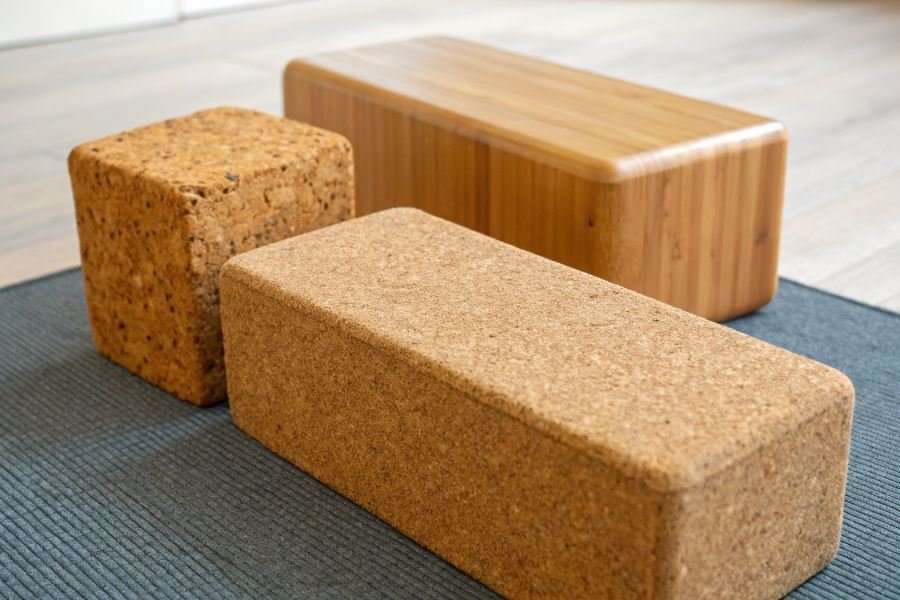
Ever watched someone effortlessly slide into a perfect triangle pose while you’re struggling just to touch your toes? The secret might not be superhuman flexibility—it could be the humble yoga block. These geometric allies are revolutionizing how practitioners of all levels experience yoga, turning “impossible” poses into “I’ve got this” moments.
When you’re reaching for that extra inch in a forward fold or stabilizing in half moon pose, the right yoga block makes all the difference. These seemingly simple props have evolved from basic foam rectangles into sophisticated tools crafted from various materials and shapes, each offering unique benefits to your practice.
The yoga block market has exploded with options, but three standouts have emerged as game-changers based on their innovative designs and materials. What separates an exceptional block from a mediocre one? It comes down to three critical factors: density, material composition, and ergonomic design.
Cork blocks offer natural grip that improves as you sweat, while EVA foam provides lightweight support for beginners. Bamboo blocks deliver unmatched stability for advanced balancing poses. The shape matters too—traditional rectangles work for most poses, but curved edges can transform comfort in restorative positions, and egg-shaped blocks create dynamic instability that strengthens your core.
Your yoga block isn’t just a prop—it’s the difference between forcing a pose and finding your flow.
The Ultimate Yoga Block Showdown: Materials and Shapes That Transform Your Practice
When it comes to elevating your yoga practice, the humble yoga block is anything but basic. These versatile props can transform challenging poses into accessible ones, deepen stretches, and provide crucial support for practitioners at every level.
Let’s dive into a comprehensive comparison of materials and shapes that define today’s top yoga blocks. Whether you’re a seasoned yogi or just unrolling your mat for the first time, understanding the nuances between cork, EVA foam, and bamboo blocks—along with their various shapes—can dramatically impact your practice. Our top 3 yoga blocks comparison of materials and shapes reveals that these seemingly simple props offer distinct advantages depending on your specific needs and practice style.
Cork Blocks: Earth-Friendly Grip Masters
Cork yoga blocks have surged in popularity, and for good reason. Harvested from the bark of cork oak trees without harming the tree itself, these blocks offer exceptional sustainability credentials.
Performance highlights:
- Superior grip when wet – Cork actually becomes more grippy with moisture, making it ideal for hot yoga or sweaty sessions
- Natural antimicrobial properties – Resists bacteria and odors without chemical treatments
- Medium-heavy weight – Provides stability while remaining manageable (typically 1.5-2 pounds)
- Firm support – Less “give” than foam, offering solid foundation for balance poses
The natural texture of cork creates a tactile experience that many practitioners find grounding. While premium cork blocks may command higher prices ($20-30 range), their durability often means they’ll outlast multiple foam alternatives.
EVA Foam Blocks: Lightweight Comfort Champions
EVA (Ethylene-Vinyl Acetate) foam blocks represent the most common option in studios worldwide, balancing affordability with functionality.
Key attributes:
- Ultra-lightweight – Typically under 1 pound, making them travel-friendly
- Soft surface with “give” – Comfortable for restorative poses and sensitive joints
- Wide price range – Quality options available from $8-20
- Various density options – From soft to firm depending on manufacturer
The cushioned support of foam blocks makes them particularly valuable for poses where the block contacts bony areas like the spine or sits beneath the sacrum. However, they can compress over time and may not provide the same stability as denser materials for standing balance work.
Bamboo Blocks: The Sustainable Powerhouses
Bamboo blocks represent the premium tier in yoga props, offering exceptional strength-to-weight ratio and environmental benefits.
Standout features:
- Remarkable strength – Supports full body weight without flexing
- Sleek aesthetic – Natural wood grain with smooth finish
- Longest lifespan – Can last decades with proper care
- Renewable resource – Bamboo grows rapidly without requiring replanting
While bamboo blocks typically command premium prices ($25-40), their durability makes them lifetime investments. The solid structure provides unwavering support for advanced inversions and arm balances where stability is non-negotiable.
Shape Matters: Beyond the Rectangle
While rectangular blocks remain the standard, alternative shapes serve specific purposes:
Rectangular blocks:
- Most versatile for all-purpose use
- Three height options depending on orientation
- Stable base for standing poses
Egg-shaped blocks:
- Contoured design fits naturally in palm
- Excellent for flowing sequences requiring quick transitions
- Reduces wrist strain in downward-facing poses
Wedge designs:
- Tapered surface ideal for wrist support in planks
- Assists proper alignment in lunges and warrior poses
- Helps create appropriate angles for therapeutic applications
The shape you choose should align with your practice focus—rectangular for versatility, egg-shaped for dynamic flows, and wedges for therapeutic work or wrist sensitivity.
Finding Your Perfect Yoga Block Match
Aligning Materials and Shapes With Your Practice
The yoga block you choose should be an extension of your practice, not just another prop gathering dust in the corner. Different practice styles demand different support systems. For power yoga practitioners, cork blocks offer that unmovable foundation when holding challenging poses like half moon or revolved triangle. Their density provides zero give when you’re pushing your edge.
Meanwhile, restorative yogis often gravitate toward softer foam blocks that cushion sensitive areas during long-held poses. The slight give in these blocks makes them ideal for supporting the spine or hips during gentle backbends or supported bridges.
The shape matters just as much as the material. Rectangular blocks remain the versatile workhorses of any practice, but egg-shaped blocks have gained popularity among practitioners with wrist issues, as they provide ergonomic support during downward dog transitions. Wedge blocks excel specifically for practitioners working on wrist extension or those needing graduated support in poses like camel.
The block that feels uncomfortable in your hands will be the block you leave at home. Choose tactile satisfaction alongside functional support.
Value Analysis of Top Contenders
When comparing our top three yoga blocks, the price-to-quality ratio reveals interesting patterns:
| Block | Material | Price Range | Durability Rating | Best For |
|---|---|---|---|---|
| Manduka Cork Block | Natural cork | $20-22 | 9/10 | Power yoga, stability work |
| Hugger Mugger Foam Block | EVA foam | $15-18 | 7/10 | Beginners, restorative practice |
| Gaiam Essentials Block | Recycled foam | $10-12 | 6/10 | Budget-conscious practitioners |
The Manduka Cork Block commands a premium price but delivers exceptional stability and weight that cheaper alternatives can’t match. Its density makes it nearly impossible to compress, even under full body weight.
The Hugger Mugger Foam Block strikes the sweet spot between affordability and quality, with beveled edges that make gripping comfortable during challenging transitions.
For those watching their budget, the Gaiam Essentials Block provides fundamental support at an entry-level price point, though it may show wear faster than premium options.
Longevity and Care Considerations
Your yoga block investment can last anywhere from 1-10 years depending on material choice and maintenance habits. Cork blocks develop a beautiful patina over time but require occasional cleaning with mild soap and water to prevent bacterial buildup. Avoid soaking cork blocks as this can compromise their structural integrity.
Foam blocks benefit from regular wipe-downs with yoga mat cleaner or diluted tea tree oil solution. The closed-cell structure of EVA foam blocks resists moisture absorption better than open-cell alternatives, making them less prone to harboring bacteria.
For maximum longevity:
- Store blocks away from direct sunlight to prevent color fading and material degradation
- Allow cork blocks to dry completely after cleaning
- Avoid using foam blocks as substitute furniture (yes, people do this!)
- Replace blocks showing significant compression or crumbling
The most sustainable choice ultimately comes down to how well the block serves your practice. A perfect-fit block that supports your practice for years delivers better value than a cheaper option that sits unused or needs frequent replacement.