
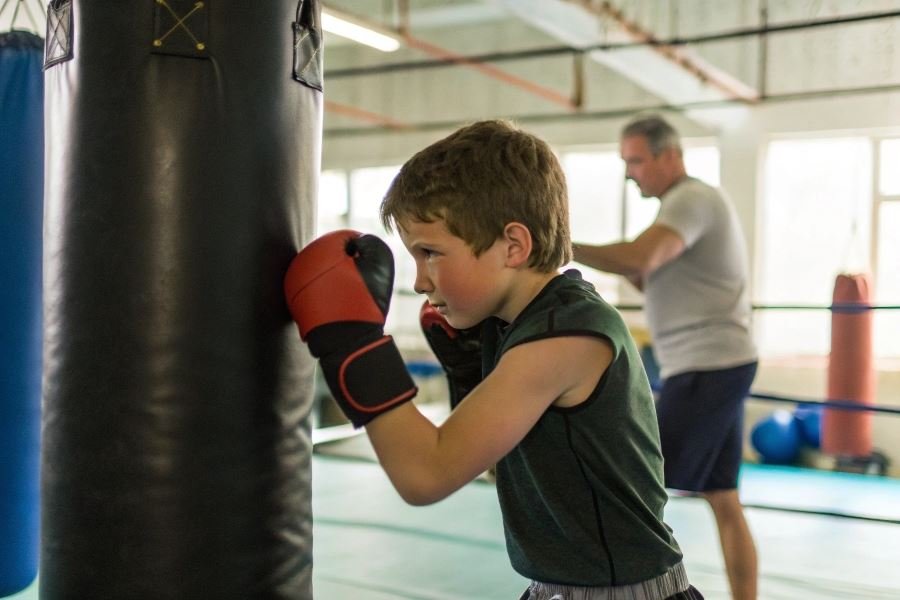
Ever watched a 7-year-old try to punch an adult-sized heavy bag? It’s like watching David take on Goliath—minus the slingshot advantage. Youth boxing isn’t just adult boxing scaled down; it’s an entirely different game requiring specialized equipment designed for developing bodies and minds.
When we talk about pears and dummies for children’s boxing training, we’re discussing the foundation of safe skill development. These specialized training tools—speed bags shaped like pears for better tracking and child-sized punching dummies with appropriate resistance—create the perfect learning environment for young boxers. Unlike adult equipment that can strain developing joints, youth-specific gear allows proper technique to develop naturally.
Safety first isn’t just a slogan—it’s non-negotiable. When selecting training equipment, padding density matters as much as size. The American Academy of Pediatrics notes that properly fitted gear reduces injury risk by up to 60% compared to improvised alternatives. Look for equipment with reinforced stitching, non-toxic materials, and appropriate weight distribution.
Beyond physical safety, structured boxing training delivers remarkable developmental benefits:
- Physical literacy: Improves coordination, balance and spatial awareness
- Mental toughness: Builds resilience and focus under pressure
- Social skills: Fosters respect, discipline and teamwork
The right equipment doesn’t just protect young athletes—it empowers them to develop skills that translate far beyond the ring, creating confident, disciplined individuals ready to face life’s challenges.
Essential Training Equipment for Young Boxing Champions
When introducing children to the sweet science of boxing, having the right equipment isn’t just helpful—it’s absolutely crucial for proper skill development and safety. The specialized pears and dummies for children’s boxing training create the foundation upon which young fighters build their technique, timing, and confidence. Let’s explore the essential equipment that transforms beginners into budding champions.
Speed Bags and Reflex Pears for Young Boxers
Speed bags designed specifically for younger athletes offer the perfect introduction to hand-eye coordination and rhythm development. Unlike adult versions, youth-focused speed bags typically feature:
- Smaller dimensions (usually 6-8 inches vs. 9-10 inches for adults)
- Lighter weight materials for reduced impact stress
- More forgiving leather or synthetic coverings
The Everlast Junior Speed Bag stands out with its adjustable platform that grows with your child, while the Title Boxing Kids’ Reflex Bag incorporates a softer rebound system perfect for developing those lightning-fast combinations without overtaxing young muscles.
Pro tip: Start with just 3-5 minute sessions on speed bags, gradually building endurance as technique improves.
Freestanding Punching Dummies with Height Adjustability
The versatility of freestanding dummies makes them indispensable for home training environments. The best youth models feature:
| Feature | Benefit |
|---|---|
| Height adjustability (30-48 inches) | Accommodates growth spurts and multiple users |
| Base filling options (water/sand) | Customizable stability levels |
| Impact-absorbing materials | Protects developing joints and bones |
| Realistic torso targets | Teaches proper punch placement |
The Century BOB Junior offers anatomically correct striking zones that teach children proper punch placement, while the RDX Kids Freestanding Bag uses a special foam core that absorbs impact while providing realistic resistance.
“The adjustable height feature isn’t just convenient—it’s essential for maintaining proper technique as children grow. Striking at the wrong height can develop bad habits that take years to correct.”
Wall-Mounted Pears with Child-Appropriate Resistance
Wall-mounted options provide exceptional stability while conserving floor space—perfect for home gyms or bedrooms. When selecting wall-mounted equipment for young boxers, prioritize:
- Shorter rebound cords (12-18 inches) for quicker returns
- Lighter resistance springs calibrated for developing muscles
- Secure mounting systems with multiple anchor points
- Padded backing plates for safety
The Ringside Junior Speed Bag Platform features a precision-balanced swivel designed specifically for younger users, while the Aqua Training Bag Junior provides water-filled resistance that automatically adjusts to the power of each strike.
Safety first: Always ensure wall-mounted equipment is installed on studs or solid masonry—never on drywall alone—and check mounting hardware weekly for any loosening.
By investing in age-appropriate training equipment, you’re not just supporting your child’s boxing journey—you’re protecting their developing bodies while fostering proper technique from day one. The right pears and dummies create the perfect training environment where young boxers can safely develop the skills that will serve them throughout their athletic careers.
Mastering Youth Boxing Equipment: A Guide to Pears and Dummies
Matching Equipment to Young Fighters
Selecting the right boxing equipment for children isn’t just about scaling down adult gear—it’s about understanding developmental stages. An 8-year-old needs fundamentally different equipment than a 14-year-old, not just in size but in resistance and feedback.
For beginners (typically ages 6-9), focus on lightweight, slower-moving Everlast speed bags with reduced rebound. These provide enough time for young boxers to track movement while building hand-eye coordination. The resistance should be minimal—just enough to provide feedback without straining developing muscles.
Intermediate youth boxers (ages 10-13) benefit from adjustable-height Century reflex bags that can “grow” with them. Look for equipment with 15-20% more forgiveness than adult versions, allowing for technique development without punishment for minor errors.
Advanced young boxers (14+) can transition to standard equipment with proper supervision, though still avoiding the heaviest resistance levels until physical maturity is reached.
Key consideration: Equipment that’s too advanced doesn’t accelerate development—it creates frustration and potential injury risks.
Technique First: Preventing Training Injuries
Youth boxing injuries most commonly stem from improper technique rather than equipment failure. Before a child ever hits a heavy bag, ensure they understand these fundamentals:
- Wrist alignment – Straight wrists prevent sprains when impact occurs
- Proper fist formation – Thumb outside, knuckles aligned
- Balanced stance – 60% weight on back foot for stability
When introducing pears and dummies, implement the “shadow-light-full” progression:
- Shadow boxing to learn movements
- Light contact with equipment to refine technique
- Full engagement only after form is consistent
Never sacrifice form for power with young athletes. The foundation built now determines their ceiling later.
Progressive Training Methods
| Training Stage | Equipment Type | Focus Area | Weekly Frequency |
|---|---|---|---|
| Beginner | Speed bag (lightweight) | Rhythm & timing | 2-3 sessions |
| Intermediate | Double-end bag | Accuracy & reflexes | 3-4 sessions |
| Advanced | Heavy bag & dummies | Power development | 4-5 sessions |
The most effective youth boxing programs use a rotation system across equipment types. A 30-minute session might include:
- 5 minutes on speed bag for rhythm
- 10 minutes on reflex bag for timing
- 10 minutes on body dummy for combination work
- 5 minutes on heavy bag for controlled power
Title Boxing offers youth-specific training dummies with highlighted target zones that teach proper punch placement—an excellent investment for serious young boxers.
For home training, adjustable-resistance equipment provides the best value. The RDX youth reflex bag can be filled with different amounts of water to modify resistance as skills develop.
Remember that progression should be measured by technique mastery, not by calendar time. Some children may need three months at one level, while others might need six—both timelines are perfectly acceptable as long as fundamentals are being internalized.