
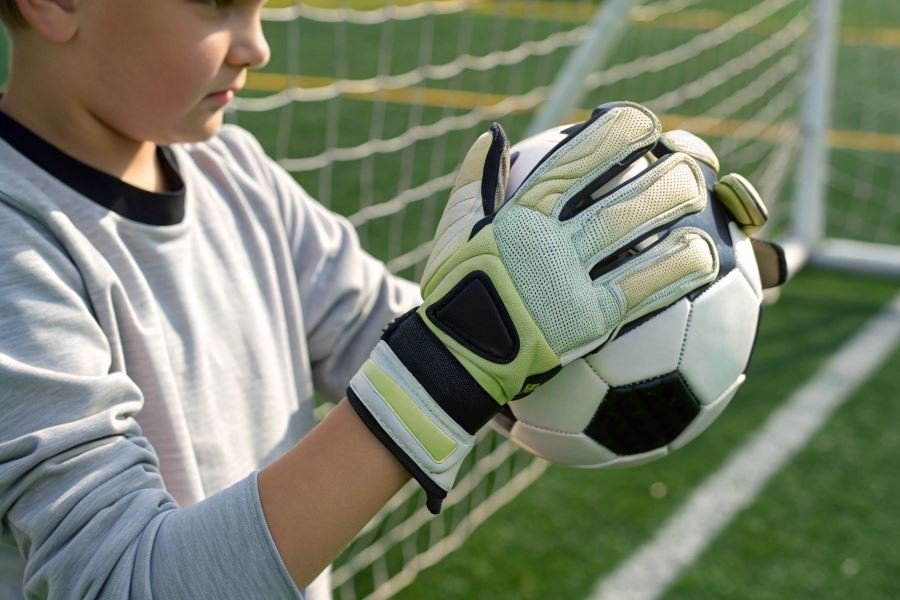
Ever watched a goalkeeper make a seemingly impossible save and wondered, “How did they do that?” The answer might be in their hands—literally. The difference between a fingertip save that makes the highlight reel and a goal conceded often comes down to what’s covering those hands.
When David De Gea made that miraculous quadruple save against Arsenal in 2017, it wasn’t just skill—it was equipment. Professional vs amateur goalkeeper gloves represent one of the most significant equipment divides in soccer, yet many players underestimate just how crucial this choice is to their performance.
The gloves you wear aren’t just accessories—they’re extensions of your hands. They determine grip in rain-soaked conditions, protect fingers from hyperextension, and provide the confidence needed to command the penalty area. Professional goalkeepers understand this intimately; many have personal relationships with glove technicians who craft custom-fitted equipment for their specific playing style and hand anatomy.
The market divides dramatically between professional-grade options that might cost $150+ and budget alternatives available for under $30. This isn’t merely marketing—it reflects fundamental differences in materials, construction techniques, and durability. While professionals might go through 30+ pairs per season, amateur keepers often make do with one pair for years.
Why does this matter if you’re not playing in the Premier League? Because the right gloves—even if not professional-grade—can dramatically improve your confidence, reduce injury risk, and enhance performance at any level. Understanding these differences isn’t about spending more money; it’s about making informed choices that match your playing conditions, frequency, and goals.
The Anatomy of Elite Goalkeeper Gloves
When you slip your hands into a pair of professional goalkeeper gloves, you’re not just wearing equipment – you’re wielding precision-engineered tools designed for the highest levels of performance. The material construction differences between professional and amateur goalkeeper gloves are substantial, affecting everything from ball grip to durability and protection.
Let’s dive into what separates the $150 pro models from their $30 counterparts. Professional vs amateur goalkeeper gloves: what is the difference comes down to sophisticated materials, advanced construction techniques, and thoughtful design elements that collectively create a superior playing experience. While amateurs might get by with basic models, professionals demand gloves that perform consistently in all conditions.
Palm Material: Where Contact Meets Control
German latex dominates the professional scene, with top-tier gloves featuring 3-4mm thick palm cushioning compared to the thinner 2-2.5mm found in amateur options. Professional palms use:
- Contact latex with tacky additives for superior wet-weather grip
- Specialized compounds that maintain tackiness in cold conditions
- Reinforced impact zones that resist wear without sacrificing feel
Amateur gloves typically employ basic latex blends that provide acceptable grip in ideal conditions but deteriorate quickly with use.
The difference becomes most apparent during rainy matches, where professional palms maintain up to 80% of their dry-weather performance while amateur options can lose grip almost entirely.
Cut Types and Protection Systems
Professional goalkeepers can choose from specialized cut types that amateur gloves rarely offer:
| Cut Type | Grip Surface | Finger Feel | Typical User |
|---|---|---|---|
| Negative | Maximum | Tight, responsive | Shot-stoppers |
| Roll/Hybrid | Balanced | Customizable | All-around keepers |
| Flat Palm | Traditional | Spacious | Distributors |
Protection technology in professional gloves includes removable finger spines and articulated joint systems. The Adidas Predator Pro offers customizable finger protection, allowing keepers to remove spines from specific fingers for personalized balance between protection and flexibility.
Amateur gloves typically feature fixed plastic inserts that provide basic protection but limit customization and often create uncomfortable pressure points during extended wear.
Wrist Systems: The Foundation of Control
Professional wrist closures represent perhaps the most overlooked advantage elite gloves provide:
- Dual-wrap systems with primary and secondary closures
- Elasticized bandages that provide compression without restricting blood flow
- Extended wrist coverage that protects the vulnerable ulnar area
The Nike Phantom Elite features a compression cuff that extends 4 inches up the forearm, providing stability during diving saves that amateur gloves simply cannot match.
Amateur models typically use basic hook-and-loop closures that loosen during play and provide minimal wrist support. This difference becomes critical during lateral dives, where proper wrist alignment prevents injuries and improves ball control.
Professional gloves also offer personalization options including custom fit adjustments, removable palm elements for washing, and ventilation systems that amateur gloves rarely include. These features extend glove lifespan and maintain performance characteristics that justify their premium pricing.
Making the Right Choice: Professional vs Amateur Goalkeeper Gloves
When it comes to protecting your hands between the posts, the gloves you choose can make all the difference between a spectacular save and a painful mistake. Let’s dive into how to select the perfect pair based on your needs, budget, and expectations.
Match Your Gloves to Your Game
The first rule of goalkeeper glove selection is honest self-assessment. Are you diving around on artificial turf three times a week or enjoying occasional Sunday league matches on grass?
Professional-level players need gloves that can withstand intensive training sessions and competitive matches. If you’re playing 3+ times weekly, investing in professional gloves isn’t just justified—it’s essential. The enhanced grip, finger protection, and durability will directly impact your performance.
Intermediate players who train 1-2 times weekly plus matches should consider mid-range options that balance performance features with reasonable durability. Look for gloves with decent latex palms and adequate finger protection without the premium price tag.
Casual players who hit the pitch once a week or less can absolutely get by with quality amateur gloves. The grip may not last as long, but when you’re not putting them through rigorous use, they’ll serve you well enough.
Your skill level should influence your choice as much as your playing frequency. A developing keeper might benefit more from feeling the ball through thinner gloves than from premium features they can’t fully utilize.
Budget Reality Check
Let’s talk numbers:
| Glove Category | Typical Price Range | Best For |
|---|---|---|
| Professional | 80−150+ | Competitive keepers, frequent players |
| Mid-range | 40−80 | Club players, weekly games |
| Amateur | 15−40 | Recreational players, beginners |
The value equation isn’t just about initial cost—it’s about cost per game. A $120 pair of Reusch professional gloves might last 25-30 intensive sessions, costing about $4 per game. Meanwhile, $30 amateur gloves might deteriorate after just 8-10 sessions, costing roughly $3 per game but delivering significantly less performance.
The sweet spot for many serious recreational players is often in the 50−70 range, where you’ll find gloves with professional-grade features that sacrifice a bit on palm thickness or premium materials.
Durability and Maintenance Realities
Professional gloves demand professional care. This isn’t optional—it’s part of the investment:
-
Professional gloves require pre-washing before first use, hand washing after every session, proper drying away from direct heat, and careful storage. Many top keepers have dedicated glove wallets from brands like Uhlsport to protect their investment.
-
Amateur gloves are generally more forgiving but still benefit from basic care. A quick rinse after use and air drying will extend their lifespan considerably.
The durability expectations should be clear:
- Professional gloves with 3-4mm German latex palms offer exceptional grip but wear faster
- Amateur gloves with synthetic or basic latex blends sacrifice some grip for longevity
- Playing surface matters enormously—artificial turf can shred even the best gloves quickly
The maintenance commitment should factor into your decision. If you’re not willing to properly care for professional gloves, you’re better off with mid-range options that can withstand some neglect.
Remember that even the most expensive gloves from Adidas or Nike will deteriorate quickly without proper care, while well-maintained amateur gloves from brands like Storelli can outperform their price point with the right attention.
Choose wisely, and those game-winning saves will feel all the sweeter knowing you’ve got the right tools for your specific goalkeeping journey.