
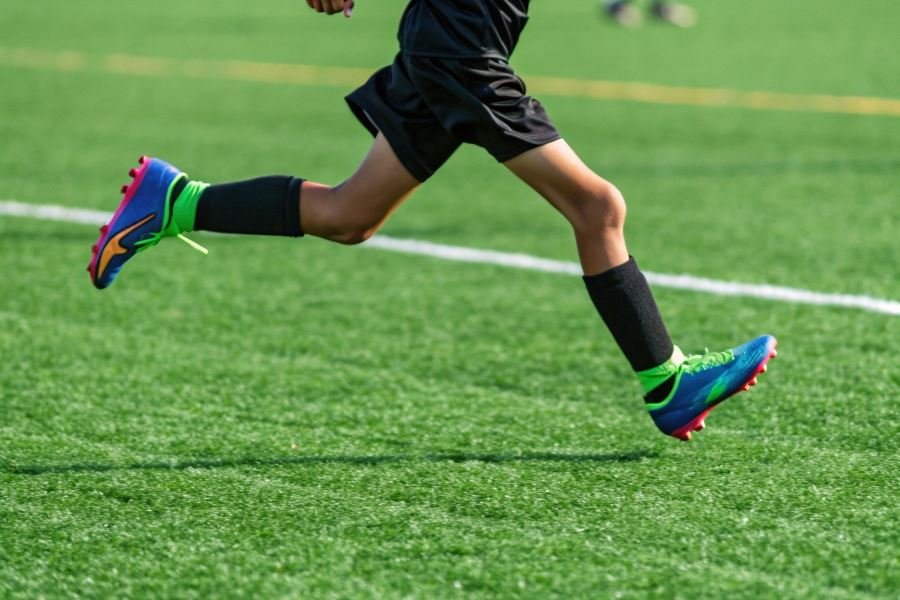
Ever watched a 7-year-old try to dribble in cleats two sizes too big? It’s like seeing a penguin in flip-flops—adorable but completely ineffective! Yet this scenario plays out on youth soccer fields nationwide, potentially derailing young talents before they even get started.
When your child takes their first steps onto the soccer field, their footwear becomes their most crucial piece of equipment. Choosing the right soccer cleats for beginner players isn’t just about finding something that fits—it’s about laying the groundwork for proper technique development, confidence, and safety that will follow them throughout their athletic journey.
The right cleats can be game-changers in three critical ways. First, properly fitted youth cleats promote correct biomechanics during those formative years when movement patterns become ingrained. Research from the American Orthopedic Foot and Ankle Society shows that appropriate athletic footwear during childhood can significantly influence long-term foot health and athletic performance.
Second, the cleat type dramatically affects how children interact with different playing surfaces. A youngster playing on hard, dry fields needs fundamentally different traction than one playing in muddy conditions. The wrong match-up doesn’t just hinder performance—it creates unnecessary injury risks.
Finally, comfort breeds confidence. When young players aren’t distracted by blisters or slipping, they focus on developing ball skills instead of their discomfort. This psychological component often gets overlooked but makes a tremendous difference in how quickly children progress and how much they enjoy the beautiful game.
Essential Features for Youth Soccer Cleats
When your young athlete takes their first steps onto the soccer field, their footwear becomes their most crucial piece of equipment. Selecting the right soccer cleats for beginner players involves more than just picking the coolest design or following what their friends wear. Parents often struggle with how to choose children’s soccer cleats for a beginner football player that will support proper development while ensuring comfort and safety on the pitch.
Finding the Perfect Fit for Growing Feet
Youth soccer cleats must accommodate growing feet without compromising performance. Unlike adult sizes, children’s cleats should offer:
- Thumb-width space at the toe to allow for growth
- Snug heel cup that prevents slipping during quick directional changes
- Width that accommodates the natural spread of the foot when running
Most youth players outgrow their cleats every 6-8 months, making it tempting to size up significantly. Resist this urge! Oversized cleats lead to blisters, reduced ball control, and potential injury. Instead, aim for 0.5-1 size larger than their regular shoes, providing room for growth without sacrificing stability.
The right fit means your child can focus on developing skills rather than fighting their footwear.
Stud Patterns: Matching Cleats to Playing Surfaces
The bottom of the cleat tells a crucial performance story. Different playing surfaces demand specific stud configurations:
| Surface Type | Recommended Stud Pattern | Benefits |
|---|---|---|
| Natural Grass | Conical or bladed studs (longer) | Better traction, stability during cuts |
| Artificial Turf | Short, numerous rubber studs | Prevents excessive grip that can strain knees |
| Indoor Courts | Flat rubber soles | Provides necessary grip without marking floors |
| Multi-Ground | Hybrid patterns with varied stud lengths | Versatility across different surfaces |
For beginners, multi-ground (MG) or firm ground (FG) cleats from brands like Nike or Adidas offer excellent versatility. These designs perform adequately across most youth playing environments, making them ideal first cleats.
Material Matters: Durability and Maintenance
Youth soccer cleats face extraordinary punishment. They’re scuffed, soaked, and stressed through every practice and game. Material selection dramatically impacts both performance and longevity:
Synthetic Materials
- More affordable ($30-60 range)
- Water-resistant and quick-drying
- Require minimal break-in time
- Easier to clean with simple soap and water
Leather Options
- Superior comfort and ball feel
- Mold to the foot’s shape over time
- Typically more expensive ($70-120)
- Require proper conditioning to prevent cracking
For maintenance, teach young players to:
- Remove excess mud after games
- Stuff cleats with newspaper to absorb moisture
- Air dry away from direct heat sources
- Store in ventilated areas to prevent odor
The investment in proper care extends cleat life significantly, teaching valuable responsibility while protecting your investment in their athletic development.
When selecting materials, consider your child’s commitment level and your local playing conditions. Beginners often benefit from durable synthetics from Puma or Under Armour that withstand the learning process while providing necessary support at an accessible price point.
Making the Final Call: Your Guide to Children’s Soccer Cleats
Choosing the perfect soccer cleats for your young athlete isn’t just about grabbing the first pair that fits. It’s about finding that sweet spot where performance meets practicality. After coaching youth soccer for years, I’ve seen firsthand how the right cleats can transform a child’s confidence on the field. Let’s dive into making that final decision with confidence!
Smart spending for growing feet
Let’s face it—kids grow faster than your credit card can recover. The average youth player needs new cleats every 6-12 months due to growth alone. This doesn’t mean you should grab the cheapest option at the discount store, though!
The value equation isn’t just about price tag. Mid-range cleats from established brands like Nike or Adidas often deliver the best bang for your buck, typically ranging from $40-70. These provide adequate support and durability without breaking the bank.
Consider this approach to balancing budget and quality:
| Price Range | What to Expect | Best For |
|---|---|---|
| $25-40 | Basic protection, minimal features | Occasional play, fastest-growing feet |
| $40-70 | Good support, decent durability | Regular recreational players |
| $70-100 | Enhanced features, better materials | Committed players, competitive teams |
Remember that last season’s models often offer tremendous value at 30-50% off original prices!
Your child’s voice matters
Nothing kills soccer enthusiasm faster than uncomfortable cleats. Involving your young player in the selection process isn’t just good parenting—it’s smart consumer behavior.
When bringing your child into the decision:
- Let them test multiple pairs by jogging, cutting, and kicking in the store
- Ask specific questions about comfort rather than just “Do you like these?”
- Explain your reasoning behind certain choices—kids appreciate being treated as thinking participants
One 10-year-old player I coached wore his cleats to bed the night after we bought them—that’s the kind of excitement you want to foster! When children feel ownership in the decision, they’re more likely to care for their equipment properly.
The upgrade timeline
Youth soccer cleats aren’t forever purchases, but knowing when to replace them ensures both safety and skill development.
Physical indicators it’s time for new cleats:
- Visible wear on the outsole pattern
- Stretched upper material that no longer provides proper foot lockdown
- More than a thumb’s width of growth room at the toe
Skill development signals:
- Your child has mastered basic skills and is ready for cleats that offer better ball feel
- They’ve moved from recreational to competitive play
- Their playing style has become more defined (speed-focused vs. technical)
As your beginner evolves into an intermediate player, consider transitioning from molded rubber cleats to firmer TPU studs for better traction. Many youth players make this jump around ages 10-12 as they develop more power and speed.
The journey from first cleats to finding their perfect match is part of every soccer player’s development. By balancing budget concerns, involving your child, and knowing when to upgrade, you’re not just buying footwear—you’re investing in their athletic journey.