
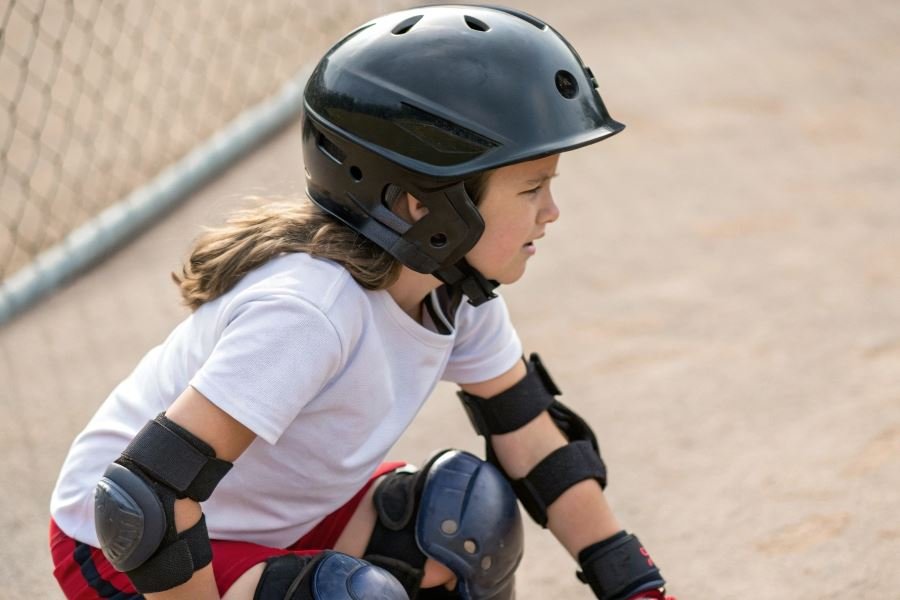
Ever watched a hockey player slam into the boards at 20 mph and walk away unscathed? Or wondered how NFL linebackers survive bone-crushing tackles play after play? The secret lies not in superhuman abilities, but in the remarkable evolution of sports protection materials.
When legendary hockey goalie Jacques Plante first donned a face mask in 1959 after taking a puck to the face, he changed sports protection forever. Today’s protective gear bears little resemblance to those early innovations. Modern materials like D3O (which flows like putty until impact, when it instantly hardens) and multi-density foams have revolutionized how we think about safeguarding athletes’ bodies.
At their core, the best protective materials work on a fascinating principle: they transform harmful kinetic energy. When you take a hit, these materials compress, stretch, or deform to extend the impact time—spreading force across milliseconds rather than an instant. It’s like the difference between stopping a car by hitting a wall versus using brakes gradually.
But protection alone isn’t enough. Today’s elite materials must perform a delicate balancing act:
- Maximum protection without restricting movement
- Breathability while maintaining structural integrity
- Lightweight design without compromising durability
The most innovative protective gear now features anatomically mapped protection zones—thicker where you need it most, flexible where you need mobility. Materials like EVA foam, carbon fiber composites, and advanced polymers are strategically combined to create gear that moves with you, not against you.
The days of choosing between safety and performance are over. Modern protective materials don’t just prevent injury—they enhance athletic potential.
Advanced Materials Revolutionizing Sports Protection
When athletes push their limits, the barrier between peak performance and injury often comes down to what they’re wearing. The evolution of protective gear has accelerated dramatically, with innovative materials now offering unprecedented combinations of flexibility, impact absorption, and comfort. The best materials for sports body protection today leverage cutting-edge polymer science and composite engineering to keep athletes safer without compromising mobility or adding unnecessary weight.
D3O: The Material That Hardens on Impact
D3O represents perhaps the most significant breakthrough in protective gear technology of the past decade. This remarkable smart material remains soft and pliable during normal movement but instantly transforms into a rigid, shock-absorbing shield upon impact.
How D3O works:
- Molecules flow freely during normal movement
- Upon impact, molecules lock together to absorb and disperse energy
- Returns to flexible state immediately after impact
This reactive polymer technology has been adopted across multiple sports, from POC helmets in cycling to Fox Racing body armor in motocross. The material’s ability to provide protection exactly when needed while remaining comfortable has made it the gold standard for modern protective equipment.
“D3O offers up to 53% better impact protection than traditional foam padding while maintaining flexibility that traditional hard shells simply cannot match.”
Carbon Fiber Composites: Strength-to-Weight Champions
When maximum protection with minimal weight is non-negotiable, carbon fiber composites dominate the field. These materials have transformed high-impact sports protection through their remarkable properties:
| Property | Benefit to Athletes |
|---|---|
| Strength | 5x stronger than steel |
| Weight | 70% lighter than steel |
| Rigidity | Maintains shape under extreme force |
| Durability | Resistant to fatigue and environmental factors |
Carbon fiber’s application in sports protection ranges from Bauer hockey helmets to Dainese motorcycle racing suits. The material’s ability to be precisely engineered for specific impact scenarios makes it invaluable for sports where crashes or collisions occur at high speeds.
EVA and Memory Foams: The Adaptive Cushioning Revolution
While reactive polymers and carbon composites excel at handling high-impact scenarios, many athletes need protection that adapts to constant, repeated forces. This is where advanced EVA (Ethylene-Vinyl Acetate) and memory foams have transformed the protective landscape.
What makes modern EVA and memory foams special:
- Temperature responsiveness – Softens with body heat to conform to unique body contours
- Density gradation – Multiple layers with varying densities target specific impact types
- Recovery properties – Returns to original shape faster than traditional foams
- Moisture management – Advanced formulations wick sweat away from the body
Under Armour utilizes these materials in their football padding, while Nike incorporates specialized EVA compounds in their protective basketball gear. The versatility of these foams makes them ideal for sports requiring protection during extended periods of activity.
The combination of these three material technologies has created a new paradigm in sports protection. Athletes no longer need to choose between safety and performance—today’s advanced materials deliver both simultaneously, allowing competitors to push boundaries with greater confidence than ever before.
Material Matters: Choosing Protection That Works
When your body is on the line, the materials between you and impact make all the difference. The evolution of protective gear has transformed from bulky leather pads to sophisticated composites that can absorb a hockey check or cushion a downhill mountain bike crash. Let’s dive into how to select materials that match your sporting demands.
Contact Sports Demand Serious Shields
In rugby, football, and hockey, protection isn’t optional—it’s survival gear. The best materials for these high-impact environments share key characteristics:
D3O technology has revolutionized impact protection. This “smart material” flows with your body during normal movement but instantly hardens upon impact. D3O protection is now found in everything from NFL shoulder pads to hockey gear, reducing injury rates while maintaining mobility.
The difference between basic foam and advanced impact materials can be measured in milliseconds—but those milliseconds can prevent season-ending injuries.
EVA (Ethylene-Vinyl Acetate) foam remains the workhorse of contact sport protection, offering excellent impact distribution at reasonable cost. Multi-density foams strategically place firmer materials at high-impact zones while keeping flexibility where needed.
For maximum protection, nothing beats the combination approach:
| Material Layer | Function | Best For |
|---|---|---|
| Rigid plastic shell | Distributes impact force | Helmets, shoulder caps |
| Memory foam | Conforms to body | Inner padding |
| Moisture-wicking fabric | Prevents bacterial growth | Direct skin contact |
| Gel inserts | Absorbs repeated impacts | Joint protection |
High-Velocity Sports Need Aerodynamic Armor
When speed is your game—cycling, skiing, motorsports—protection requires a different approach. Weight and aerodynamics become critical factors alongside impact resistance.
Carbon fiber composites deliver the holy trinity of protection: lightweight construction, incredible strength, and aerodynamic profiles. POC Sports has pioneered carbon fiber back protectors that weigh under 500 grams yet meet the highest safety standards.
Aramid fibers (including Kevlar) provide abrasion resistance that’s literally bulletproof. Motorcycle gear incorporating these materials can withstand road rash at speeds exceeding 100mph while remaining breathable.
The best high-velocity protection feels like it’s barely there—until the moment you need it.
MIPS (Multi-directional Impact Protection System) technology has transformed helmet design by addressing rotational forces that cause brain injuries. This thin layer allows the helmet to rotate slightly upon impact, reducing force transferred to the brain.
Maintaining Your Material Advantage
Even the most advanced protective materials fail without proper care. Longevity depends on understanding material properties:
Cleaning considerations: Foam materials absorb sweat and bacteria, requiring regular cleaning with appropriate solutions. Never use harsh chemicals on D3O or specialized impact foams—they can break down the molecular structure.
Storage matters: UV exposure degrades polymers and weakens protective capabilities. Store gear in cool, dry environments away from direct sunlight.
Replacement timelines: Impact materials have memory. After absorbing significant hits, they gradually lose effectiveness. Most manufacturers recommend replacement after:
- Major impacts (regardless of visible damage)
- 2-3 years of regular use
- Visible compression or cracking
The investment in quality protective materials pays dividends in injury prevention. Your body is the only equipment you can’t replace—protect it with materials engineered to match the specific demands of your sport.